
 English


Views: 0 Author: Site Editor Publish Time: 2026-03-03 Origin: Site


When towing a trailer, whether for a boat, RV, or utility purposes, ensuring that your trailer’s electrical system is functioning properly is crucial for safety and convenience. A key component of this system is the trailer wiring harness. But with so many options available, it can be challenging to know which trailer wiring harness you need. This guide will walk you through the different types of trailer wiring harnesses, how to choose the right one for your vehicle and trailer, and other essential information you need to make the right decision.
A trailer wiring harness is a system of wires that connects the towing vehicle to the trailer. The wiring harness allows for the transfer of power and signals between the two, controlling essential functions such as brake lights, turn signals, running lights, and brake systems. The wiring harness is an essential safety feature that ensures your trailer functions correctly while being towed.
Trailer wiring harnesses are designed to simplify the connection between your vehicle and trailer, making it easier to tow safely. They are usually installed by connecting the harness to the vehicle’s existing electrical system, which then powers the trailer's lights and brake system.
Choosing the right trailer wiring harness depends on several factors, such as your vehicle type, trailer type, and towing needs. The most common trailer wiring harness configurations include:
The 4-pin wiring harness is the most basic and commonly used type for towing small trailers. This configuration includes four pins, typically used for:
Ground
Left turn signal
Right turn signal
Tail/Running lights
The 4-pin harness is ideal for light-duty trailers such as utility trailers, small boat trailers, and cargo trailers. It does not support electric brakes, which means this type of harness is typically used for trailers that do not require additional braking systems.
The 5-pin wiring harness is used for trailers that require more functions than the 4-pin version can provide. In addition to the standard four pins for turn signals, tail lights, and ground, the 5-pin connector adds an additional pin for:
Reverse lights
This configuration is often used in boat trailers that require reverse lights for easier maneuvering when backing the trailer into water. The fifth pin allows for better visibility when reversing, making the 5-pin harness a good choice for boaters.
A 6-pin wiring harness is often used for trailers that need more electrical functions than what is provided by the 5-pin harness. It includes all the basic functions, plus the ability to support:
Electric brakes
Auxiliary power for additional trailer accessories
This configuration is commonly found on larger utility trailers, car haulers, and livestock trailers, which often require electric brake systems for better control and safety when towing.
The 7-pin wiring harness is typically used for heavy-duty trailers that require multiple electrical functions. The 7-way configuration is the most robust option and is ideal for:
Electric brakes
Tail lights
Turn signals
Reverse lights
Auxiliary power
Brake controller connection
7-pin harnesses are the standard for RVs, large trailers, and towing setups that require the full range of electrical connections. They also support both the trailer’s brake and electrical systems, which makes them essential for large trailers like those used for fifth-wheel campers, livestock haulers, or large commercial vehicles.
For trailers equipped with electric brakes, you will need a trailer brake controller, which is typically wired into the 7-pin harness system. The brake controller wiring harness connects the trailer’s braking system to the vehicle’s electrical system. This harness ensures that your vehicle’s brakes can communicate with the trailer’s brake system, which is important for stopping both the tow vehicle and trailer safely.
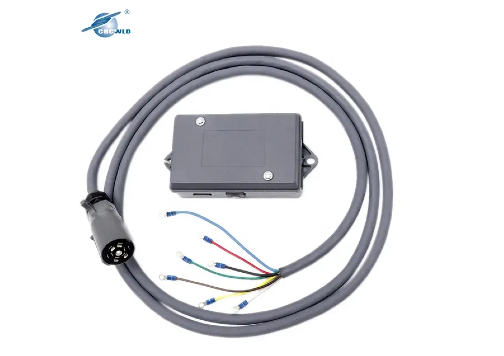
To determine the best trailer wiring harness for your needs, consider the following factors:
Not all vehicles are equipped with the same electrical system, so it's important to know what type of connector is compatible with your vehicle. Most modern vehicles use a 7-pin round connector, but older vehicles or smaller cars may require a 4-pin or 5-pin harness.
Before purchasing a wiring harness, check your vehicle's wiring setup to ensure you get the correct type of harness. Many vehicles come with a pre-installed wiring setup or adapter that can be used to connect the trailer's wiring harness.
The type of trailer you are towing will help determine which harness is necessary. For example, smaller utility trailers may only require a 4-pin harness, while larger trailers, such as RVs, car haulers, and boat trailers, may require a 7-pin or 6-pin connector to support electric brakes and other advanced features.
Additionally, if your trailer has special lighting needs or additional electrical requirements, such as for reverse lights, the 5-pin or 6-pin options may be best suited.
Think about the electrical components your trailer requires. Do you need reverse lights, auxiliary power, or electric brakes? For instance, if you're towing a boat trailer, you may need a 5-pin harness for reverse lights. For larger trailers, like RVs or those with electric brakes, a 7-pin harness will be necessary for proper function and safety.
Some trailers and vehicles may not be compatible with the wiring system right out of the box. In these cases, you may need an adapter to connect your vehicle's electrical system to your trailer's wiring harness. These adapters can bridge the gap between different types of connectors, ensuring your trailer functions properly with your vehicle’s wiring system.
Installing a trailer wiring harness is relatively simple, but it requires attention to detail to ensure proper functionality. Here's a general guide to installing your trailer wiring harness:
Before beginning the installation, disconnect your vehicle’s battery to avoid any electrical issues. Once that’s done, check your vehicle’s existing wiring setup to identify where the harness will connect.
Follow the manufacturer’s instructions to install the wiring harness. The wiring harness should connect to your vehicle's electrical system, typically at the rear, near the vehicle's tail lights or hitch.
For 7-pin or 6-pin systems, you’ll also need to install the brake controller if your trailer has electric brakes. Make sure all wires are securely connected and that the connectors are properly sealed.
Once installed, test the wiring system by turning on your vehicle's lights, brake lights, and turn signals, and ensure that all of these functions work on the trailer. If there are any issues, double-check the connections, and ensure that no wires are loose or damaged.
Choosing the right trailer wiring harness is essential for ensuring safe and efficient towing. Whether you're towing a small utility trailer or a large RV, selecting the appropriate harness ensures that your trailer's lights, brakes, and other electrical components work as expected. Understanding the different types of wiring harnesses, such as the 4-pin, 5-pin, 6-pin, and 7-pin configurations, will help you make the right choice for your towing setup.
At Guangzhou City Youye Electronics Co., Ltd., we offer a variety of high-quality trailer wiring harnesses and accessories to meet your specific needs. Our products are designed to be durable, reliable, and easy to install, ensuring you can tow with confidence.
Q: What is the difference between a 4-pin and a 7-pin trailer wiring harness?
A: A 4-pin harness is ideal for small trailers without electric brakes, while a 7-pin harness is designed for larger trailers that require electric brakes, reverse lights, and auxiliary power.
Q: Can I use an adapter to connect different trailer wiring types?
A: Yes, adapters are available that can connect different wiring configurations, such as converting a 7-pin connector to a 4-pin or vice versa.
Q: Do I need a trailer brake controller for my 7-pin harness?
A: Yes, a trailer brake controller is necessary for trailers with electric brakes. The controller ensures safe braking for both the tow vehicle and the trailer.
Q: How do I know if my vehicle is compatible with a 7-pin wiring harness?
A: Most modern vehicles come pre-equipped with a 7-pin connector. However, older vehicles or smaller vehicles may require an adapter or additional wiring to make the connection.