
 English


Views: 0 Author: Site Editor Publish Time: 2026-03-10 Origin: Site


A trailer wiring harness is an essential component for ensuring that a trailer’s electrical systems, such as lights, brakes, and power supply, function correctly in sync with the towing vehicle. One of the key aspects of installing and maintaining a trailer wiring harness is understanding the color code used for the wires in the harness. This color code standard ensures that the right wires are connected to the correct systems and components, promoting safety and proper function during towing.
In this article, we will delve into the trailer wiring harness color code, explain its significance, and discuss how to interpret and apply the color codes for a variety of trailer harness configurations. We will also go over common types of trailer wiring harnesses and provide you with the best practices for proper installation and maintenance.
A trailer wiring harness consists of multiple wires that transmit electrical signals from the towing vehicle to the trailer. These wires control various systems on the trailer, including:
Lighting System: This includes brake lights, turn signals, running lights, and reverse lights.
Braking System: Many trailers, particularly larger ones, are equipped with electric brakes that rely on signals from the vehicle.
Power Supply: Some trailers require power for additional components, such as interior lighting or refrigeration units.
The wiring harness typically connects to the vehicle’s electrical system via a connector that can be either a 4-pin, 5-pin, or 7-pin setup. Each pin or wire in the harness serves a different function, and these functions are standardized across the industry for easy installation and troubleshooting.
The color codes for trailer wiring harnesses are crucial because they ensure that each wire is connected to the correct component on both the trailer and the towing vehicle. A consistent color code helps installers easily identify which wire controls what function. Without a standard color code, there would be confusion and potential miswiring, which could lead to issues like malfunctioning lights, incorrect brake signals, or even safety hazards.
By adhering to standard color codes, users can also ensure that replacement parts and modifications are easy to implement. For example, if a particular wire becomes damaged, the color code makes it easy to identify and replace the correct wire without making mistakes.
While different countries or manufacturers may have slight variations in the color code, the most commonly accepted color codes for trailer wiring harnesses in the United States and many other regions follow a basic pattern. Below is a typical 7-pin trailer wiring color code:
White: Ground wire
The white wire is used for grounding the trailer’s electrical system to the towing vehicle’s frame. It provides a return path for the electrical current, allowing the trailer’s lights and brakes to work properly.
Brown: Tail/Running Lights
The brown wire controls the trailer’s tail lights and running lights, which are the lights that remain on while driving, allowing the trailer to be visible from behind.
Yellow: Left Turn Signal and Brake Light
The yellow wire is responsible for the left turn signal and left brake light on the trailer. When the driver of the towing vehicle signals a left turn or applies the brakes, the yellow wire transmits the signal to the trailer’s left-side lights.
Green: Right Turn Signal and Brake Light
The green wire controls the right turn signal and brake light on the trailer. Similar to the yellow wire, it transmits the signal when the vehicle’s driver signals a right turn or applies the brakes.
Red (optional): Auxiliary Power
Some trailers, especially those with additional electrical components, use the red wire for auxiliary power. This might include powering a refrigeration unit or other equipment on the trailer.
Blue: Electric Brakes
The blue wire is used to control the electric brake system on the trailer. It sends a signal from the towing vehicle’s brake controller to engage the trailer’s brakes in proportion to the braking force of the towing vehicle.
Black: 12V Power (for trailers with additional electrical systems)
In many 7-pin configurations, the black wire provides a direct 12-volt power supply to the trailer. This is used for various purposes, such as powering a battery charger, lights, or other electrical equipment.
For trailers with fewer systems, 5-pin and 4-pin wiring harnesses are common. These usually handle just the basic lighting systems (running lights, turn signals, and brake lights), and the color codes may vary slightly.
White: Ground wire
Brown: Tail/Running Lights
Yellow: Left Turn Signal and Brake Light
Green: Right Turn Signal and Brake Light
Blue: Electric Brakes (if applicable in 5-pin setups)
Note that for a 5-pin or 4-pin trailer wiring setup, you will likely not have the auxiliary power or 12V power supply wires, as those are typically found on larger trailers with more complex electrical systems.
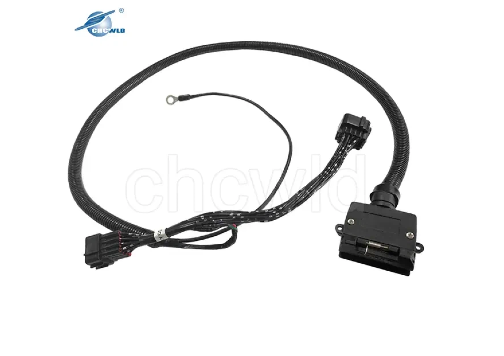
When installing or replacing a trailer wiring harness, it is crucial to follow the color code to ensure the proper function of each system. Below is a step-by-step guide on how to identify and connect the trailer wiring:
Prepare the Harness: Start by ensuring that the trailer wiring harness is the correct type and size for your trailer. If you are replacing an existing harness, make sure the new one matches the required configuration (4-pin, 5-pin, 7-pin).
Clean and Inspect the Connections: Before making any connections, clean the area where the harness will be attached. Check for any visible damage to the wires or connectors.
Connect the Ground Wire (White): The ground wire should be connected to a clean, metal surface on the trailer frame. A good ground connection is crucial for the proper functioning of the trailer’s electrical systems.
Connect the Tail Light Wire (Brown): The brown wire controls the tail light system. Connect it to the trailer’s tail light assembly to ensure the running lights work correctly.
Connect the Left and Right Turn Signal Wires (Yellow and Green): The yellow wire should be connected to the left turn signal, while the green wire should be connected to the right turn signal. These wires control the left and right turn signals as well as the left and right brake lights.
Connect the Electric Brake Wire (Blue): If your trailer has electric brakes, connect the blue wire to the brake controller. This wire ensures the trailer’s braking system functions correctly when the towing vehicle’s brakes are engaged.
Connect the 12V Power Wire (Black): If your trailer requires a 12V power supply for additional electrical systems, connect the black wire to the appropriate power source.
Test the Wiring: After completing the connections, test the trailer’s lights, turn signals, and brakes to ensure that everything is working as expected. If any lights or systems are not functioning, check the wiring for loose connections or damage.
The color code for trailer wiring harnesses is designed to provide a universal standard that ensures quick and accurate identification of wires. This standardization is particularly important when replacing or repairing a trailer wiring harness, as it minimizes the chances of wiring errors. When each wire is color-coded according to its function, you can rest assured that your trailer’s electrical system will be safe, functional, and reliable.
Using the correct wiring harness ensures that the trailer’s lights and brakes work seamlessly with the towing vehicle, reducing the risk of accidents, fines, and damage. By adhering to color codes, you ensure a straightforward installation or replacement process, even if you are working with unfamiliar trailer systems.
Understanding the color code for a trailer wiring harness is essential for maintaining a safe and efficient towing setup. Whether you’re towing a small utility trailer or a large camper, knowing which wire controls the lights, brakes, and power supply can save you time, money, and prevent accidents. Always follow the appropriate color codes for your trailer wiring harness to ensure proper installation and functionality.
For high-quality and durable trailer wiring harnesses, Guangzhou City Youye Electronics Co., Ltd. offers reliable products that meet industry standards. Contact them today for more information on their trailer wiring solutions.
Q: What is the standard color code for a 7-pin trailer wiring harness?
A: The standard color code for a 7-pin trailer wiring harness is:
White: Ground
Brown: Tail/Running Lights
Yellow: Left Turn Signal and Brake Light
Green: Right Turn Signal and Brake Light
Blue: Electric Brakes
Black: 12V Power
Red (optional): Auxiliary Power
Q: Why is it important to follow the trailer wiring harness color code?
A: Following the color code ensures that the trailer’s electrical systems, such as lights and brakes, function correctly and safely. It also simplifies installation and troubleshooting.
Q: Can I install a trailer wiring harness myself?
A: Yes, trailer wiring harnesses are designed for easy installation. By following the color code and proper connection guidelines, you can install or replace a wiring harness with basic tools.
Q: What should I do if my trailer wiring harness is not working correctly?
A: Inspect the wiring for damage, corrosion, or loose connections. Test the system by checking the lights, signals, and brakes. If necessary, replace the damaged wiring or connectors.