
 English


Views: 0 Author: Site Editor Publish Time: 2026-03-10 Origin: Site


A trailer wiring harness is essential for the proper functioning of a trailer’s electrical systems, including its lighting and braking systems. When the wiring harness goes bad, it can lead to a range of problems, from malfunctioning lights to electric brake failures, making towing unsafe. Understanding the signs of a bad trailer wiring harness is crucial for preventing accidents and ensuring that your trailer remains roadworthy.
In this article, we will dive deep into the common signs of a bad trailer wiring harness. We will cover how to spot a faulty harness, what can go wrong, and how to address the issues effectively. Whether you are towing a small trailer or a heavy-duty one, knowing what to look for in a faulty wiring harness can save you from costly repairs and keep you safe on the road.
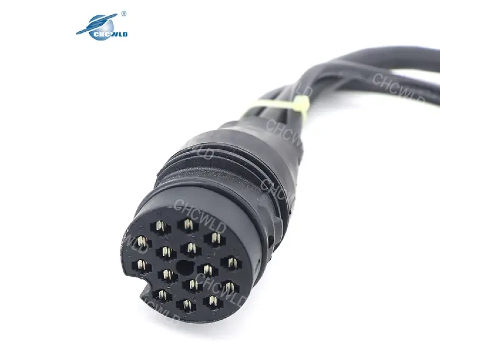
Before discussing the signs of a bad trailer wiring harness, it’s important to understand what it does. A trailer wiring harness is a set of wires and connectors that connect the towing vehicle to the trailer, facilitating the electrical communication between the two. It enables the towing vehicle to control various systems on the trailer, including:
Lights: Brake lights, turn signals, running lights, and reverse lights.
Brakes: Electric brakes that help in controlling the trailer’s speed and preventing overloading on the towing vehicle.
Auxiliary Power: Some trailers require power for additional functions like interior lighting, charging systems, or refrigeration units.
The wiring harness typically connects to the vehicle's electrical system through a plug-and-play connector. It can be a 4-pin, 5-pin, or 7-pin connector, depending on the electrical needs of the trailer. Over time, wear and tear can affect the functionality of the wiring harness, leading to malfunctions that can affect the safety of your trailer and towing vehicle.
A faulty trailer wiring harness may not always be immediately obvious. Some signs may be subtle, while others could be more glaring. Below are the most common signs that your trailer wiring harness may be bad.
One of the most common symptoms of a bad wiring harness is malfunctioning lights. The trailer’s lights depend on the proper functioning of the harness to communicate with the towing vehicle. If any of the lights on the trailer are not working properly, such as brake lights, turn signals, or running lights, it may indicate an issue with the wiring harness.
Common problems include:
Flickering or Dim Lights: If your trailer’s lights flicker or appear dim, it could be due to a poor connection or damaged wiring in the harness.
Complete Failure of Lights: If none of the lights on your trailer work, it could be a sign that the wiring harness has failed entirely or is disconnected.
One Side Not Working: Sometimes, only one side of the trailer lights (left or right) may malfunction, which can be caused by a damaged wire or connector in the harness.
When towing a trailer, functional brake lights are crucial for safety. If the brake lights on your trailer aren’t illuminating when you apply the vehicle's brakes, this is a serious safety issue. Other drivers may not realize you're slowing down or stopping, which increases the risk of an accident.
A bad wiring harness can be the root cause of brake light failure. This could be due to a disconnected wire, corrosion at the connector, or a break in the wiring. To ensure safety, always check your brake lights before embarking on a journey.
Electric brakes are a common feature on larger trailers. They work by using electricity from the towing vehicle to activate the brakes on the trailer. If your trailer has electric brakes and they are not functioning properly, it could be due to a bad wiring harness.
Signs of electric brake problems include:
No Braking Response: If the trailer's brakes do not engage when the towing vehicle’s brake pedal is pressed, there may be an issue with the wiring harness transmitting power to the brake system.
Inconsistent Braking: If the brakes engage intermittently or don’t function as expected, this could indicate poor electrical connections or wiring damage.
Since electric brakes are vital for safe braking, it's essential to get this issue fixed immediately.
Many trailers require a power supply to run auxiliary functions like interior lighting, refrigeration units, or charging systems. If you notice that the trailer’s power supply is not working—whether it’s the interior lights, the fridge, or other powered equipment—there could be an issue with the trailer’s wiring harness.
A damaged harness could prevent power from reaching these components, leaving them inoperable. If you rely on these systems, such as when transporting food or goods, a failure in the wiring harness could have a significant impact on your trip.
A bad trailer wiring harness can also cause short circuits or complete electrical failures. If the wires in the harness are damaged or exposed, they can create a short circuit, which can cause fuses to blow in both the vehicle and the trailer.
Symptoms of short circuits or electrical failures include:
Blown Fuses: If you keep experiencing blown fuses in the vehicle or trailer, it could indicate a short circuit caused by a faulty wiring harness.
Sparking or Burning Smell: If you notice sparks or a burning smell around the connectors or wires, this is a clear sign of a serious electrical issue, and the wiring harness needs to be inspected and replaced immediately.
Electrical failures can pose serious risks, so if you encounter any of these symptoms, stop using the trailer and address the issue as soon as possible.
Over time, the connectors on the trailer wiring harness may become loose or corroded. Loose connections can result in intermittent electrical failures, while corrosion can prevent a proper electrical connection altogether. Corroded connectors often appear green or white and can cause the electrical signals to degrade, resulting in malfunctioning lights or brakes.
Inspecting the connections regularly and cleaning any corrosion can prevent issues, but if the connections are too damaged, you may need to replace them.
Sometimes, a bad wiring harness may manifest in unpredictable trailer behavior. For example, if you notice that the trailer seems to behave erratically, such as the lights or brakes not responding properly when signaling, this could be a sign of a faulty wiring harness.
Inconsistent behavior could also be caused by grounding issues, where the ground wire in the harness is not making a good connection. This can lead to electrical malfunctions, especially with lights and brakes.
Several factors can contribute to the failure of a trailer wiring harness, including:
Physical Damage: The harness can be damaged by road debris, sharp turns, or improper handling. Constant use, bending, or twisting can wear out the wires over time.
Corrosion: Moisture from rain, snow, or humidity can corrode the connectors and wires, especially in areas where the harness is exposed to the elements.
Overloading: If the trailer wiring harness is not designed to handle the electrical load of the trailer's components, it can overheat and fail.
Improper Installation: If the wiring harness was installed incorrectly or poorly connected, it can lead to intermittent issues and eventual failure.
Aging: Like any other part of the vehicle or trailer, the wiring harness deteriorates over time due to regular wear and tear.
Once you've identified that the wiring harness is faulty, it’s essential to repair or replace it as soon as possible. Here’s how to fix a bad wiring harness:
Inspect the Wiring: Look for visible signs of damage, such as frayed or cut wires, corrosion, or exposed wires.
Replace the Connectors: If the connectors are corroded or damaged, they should be cleaned or replaced.
Splice Wires: If the wires are broken, cut out the damaged section and splice in new wiring.
Install a New Harness: If the harness is severely damaged or too old, it may be best to replace it entirely. A new harness ensures reliable functionality and safety.
The trailer wiring harness is a vital part of your towing setup, and a malfunctioning harness can lead to a range of safety and functionality issues, from malfunctioning lights to braking problems. Knowing the signs of a bad wiring harness and addressing the issues promptly can save you time, money, and potential accidents on the road.
If you need a high-quality trailer wiring harness, Guangzhou City Youye Electronics Co., Ltd. offers durable and reliable solutions that cater to all your towing needs. Contact the company today for more information on their products.
Q: How do I know if my trailer wiring harness is bad?
A: Signs of a bad trailer wiring harness include malfunctioning lights, brake light failure, electric brake issues, power supply problems, and short circuits. Inspect the wiring for visible damage or corrosion and test the trailer’s electrical components.
Q: What causes a trailer wiring harness to fail?
A: Common causes of trailer wiring harness failure include physical damage, corrosion, overloading, improper installation, and aging.
Q: How can I fix a faulty trailer wiring harness?
A: You can fix a faulty trailer wiring harness by inspecting and repairing the wiring, replacing damaged connectors, or installing a new wiring harness if the damage is extensive.
Q: Can I continue towing with a bad wiring harness?
A: It’s unsafe to continue towing with a bad wiring harness, as it can lead to malfunctioning lights and brakes, posing a serious safety risk. Always repair or replace the harness before towing.