
 English


Views: 0 Author: Site Editor Publish Time: 2026-03-10 Origin: Site


A trailer wiring harness is a crucial component of any towing setup. It ensures that all the electrical systems in the trailer, such as the lights, brakes, and other components, function correctly and in sync with the towing vehicle. However, just like any other part of the vehicle, the trailer wiring harness can deteriorate over time due to various factors such as wear and tear, corrosion, or physical damage. When a trailer wiring harness goes bad, it can lead to a variety of issues that can compromise the safety and functionality of your towing setup.
In this article, we will explore what happens when the trailer wiring harness goes bad, the common signs of failure, the causes of wiring harness issues, and the steps you can take to diagnose and fix the problem. We’ll also discuss why regular maintenance is essential and provide some tips to help keep your trailer wiring harness in top condition.
Before diving into the consequences of a bad trailer wiring harness, it's essential to understand what it does. A trailer wiring harness is a collection of wires and connectors that allow the electrical systems of the towing vehicle and the trailer to communicate. It facilitates the functioning of the trailer’s lights (brake lights, turn signals, running lights), brake system, and other electrical components.
Typically, a trailer wiring harness connects to the vehicle’s electrical system through a connector, which is often located at the rear of the towing vehicle. Depending on the trailer’s needs, the harness may have 4, 5, or 7 pins, each serving different functions. The most basic harness might only be used for lights, while more advanced harnesses are used for electric brakes, reverse lights, and auxiliary power.
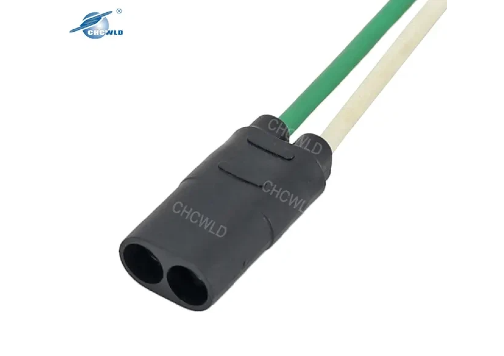
A malfunctioning trailer wiring harness can cause several problems, each varying in severity depending on the issue. Below are the most common problems you may encounter when the trailer wiring harness goes bad:
The most noticeable sign of a failing trailer wiring harness is malfunctioning lights. If the trailer’s brake lights, turn signals, or running lights are not functioning properly, the first thing you should check is the wiring harness. A bad connection, frayed wires, or damaged connectors can result in dim lights, flickering lights, or no lights at all.
In some cases, only one of the lights may be affected, while in others, all of the lights might stop working. For example, if the trailer’s left turn signal is not lighting up when you turn on your vehicle’s left blinker, this could indicate a problem with the wiring harness or the connection between the vehicle and trailer.
If the trailer’s brake lights don’t illuminate when you apply the vehicle’s brakes, this could be a serious safety issue. Without proper brake lights, other drivers may not be able to see that you are slowing down or stopping, which can lead to accidents.
A faulty wiring harness could be the reason for brake light failure. This could be due to a disconnected wire, corrosion in the connectors, or a broken wire in the harness. It's essential to fix this issue immediately to avoid compromising your safety on the road.
Many trailers, especially larger ones, come equipped with electric brakes. A functioning wiring harness is necessary to activate these brakes when you press the brake pedal in your vehicle. If the wiring harness is damaged, the trailer’s brakes may not engage properly, reducing braking efficiency.
This can be particularly dangerous when towing heavy loads, as the lack of synchronized braking can lead to longer stopping distances or potential accidents. If the trailer’s electric brakes are not working, you should inspect the wiring harness for any faults or damage.
A trailer wiring harness also supplies power to auxiliary components like reverse lights or interior lights in some cases. If the trailer’s power supply isn’t working correctly, it could be due to a bad wiring harness. A malfunctioning harness might result in no power reaching the trailer’s electrical systems, leaving you without crucial functions like reverse lights, which are essential when backing up.
A damaged or corroded trailer wiring harness can create short circuits, which may cause electrical failure in the trailer’s system. Short circuits can occur when wires are exposed, frayed, or improperly connected, leading to a dangerous electrical failure. In some cases, this might cause fuses to blow in the towing vehicle or trailer.
A short circuit can damage the electrical system of both the vehicle and the trailer, so it’s essential to identify and fix any issues in the wiring harness before they escalate into more severe problems.
Understanding the common causes of wiring harness failure can help you prevent future issues and extend the lifespan of your trailer’s electrical system. Some common causes include:
Over time, the trailer wiring harness may experience physical damage due to wear and tear, road debris, or incorrect handling. If the wires are exposed or twisted, they are at risk of breaking, causing an electrical failure.
For example, sharp objects or heavy loads can rub against the wiring, damaging the protective coating or causing the wires to fray. Constant use, such as frequent plugging and unplugging of connectors, can also contribute to damage over time.
Corrosion is one of the leading causes of trailer wiring harness problems. The connectors and wires are constantly exposed to the elements, including rain, snow, and salt from the roads in colder climates. Over time, moisture can seep into the connectors, leading to corrosion.
Corrosion can cause poor connections, making it difficult for the electrical signals to pass through the harness, resulting in malfunctioning lights and other electrical issues.
Loose or improper connections are another common cause of trailer wiring harness problems. Over time, the connectors may become loose or disconnected, causing intermittent electrical failures. A loose connection can lead to flickering lights, malfunctioning brakes, or complete electrical failure in some cases.
If the trailer is equipped with additional electrical components that draw significant power, overloading the wiring harness can cause it to fail. Overloading can occur if the trailer wiring is not designed to handle the power requirements of the trailer, or if too many additional lights or devices are connected.
As with any other part of the vehicle, the wiring harness may deteriorate simply due to age. The insulation on the wires can become brittle and crack, leading to exposed wires. The connectors may also degrade over time, resulting in poor connections and electrical malfunctions.
If you suspect that your trailer wiring harness is failing, the first step is to diagnose the problem. Here are the steps to follow:
Inspect the Wiring: Look for any visible damage to the wires, such as fraying, cuts, or wear. If the wires are exposed, they may need to be replaced or repaired.
Check the Connectors: Ensure that all connectors are properly seated and that there is no corrosion. If the connectors appear corroded, clean them with a contact cleaner or replace them if necessary.
Test the Lights: Test the trailer’s lights, including brake lights, turn signals, and running lights. Check if the lights flicker, fail to turn on, or if only some of them work. This can help identify whether the problem is with the wiring harness or the individual lights.
Check the Brake System: Test the electric brakes by pressing the vehicle’s brake pedal and observing if the trailer’s brakes engage. If the trailer’s brakes are not responding, it may be due to a faulty wiring harness.
Use a Multimeter: For more advanced diagnosis, you can use a multimeter to check for voltage and continuity in the wiring. This can help identify if there is a short circuit or if power is not reaching the trailer.
If your trailer wiring harness is damaged, you have a few options for fixing the issue:
Repair the Wires: If the wires are frayed or cut, you can repair them by cutting out the damaged section and splicing in new wire. Make sure to insulate the wire properly to prevent further damage.
Replace the Connectors: If the connectors are corroded or damaged, replace them with new ones. This is usually a straightforward process and can be done with basic tools.
Replace the Entire Harness: If the wiring harness is severely damaged or aging, it may be best to replace the entire harness. This is particularly important if the wiring has become brittle or if multiple wires are damaged.
Check for Overloading: If overloading is the issue, consider reducing the electrical load on the trailer or upgrading the wiring harness to a more heavy-duty model that can handle the power requirements.
A bad trailer wiring harness can lead to numerous issues, from malfunctioning lights to failure of the trailer’s brakes. Regular inspections, maintenance, and prompt repairs can help avoid these issues and ensure that your trailer remains safe and functional. If you’re in need of high-quality trailer wiring solutions, Guangzhou City Youye Electronics Co., Ltd. offers reliable wiring harnesses designed to meet your towing needs. Reach out to them for more information.
Q: What happens if the trailer wiring harness goes bad?
A: A bad trailer wiring harness can cause malfunctioning lights, brake light failure, electric brake issues, power supply problems, and short circuits, leading to dangerous situations on the road.
Q: How can I tell if my trailer wiring harness is bad?
A: Signs of a bad wiring harness include malfunctioning lights, brake light failure, unresponsive electric brakes, and power supply issues. Inspecting the wiring for visible damage and testing the lights can help diagnose the problem.
Q: How do I fix a faulty trailer wiring harness?
A: You can repair a faulty harness by replacing damaged wires, connectors, or by installing a new wiring harness altogether. For more severe issues, it may be best to replace the entire harness.
Q: What causes trailer wiring harness failure?
A: Trailer wiring harness failure can be caused by physical damage, corrosion, loose connections, overloading, or simply aging. Regular maintenance and inspections can help prevent these issues.