
 English


Views: 0 Author: Site Editor Publish Time: 2026-03-05 Origin: Site


A trailer wiring harness is a critical component for anyone who uses a trailer for transportation, whether for recreational purposes like camping, boating, or transporting goods. When towing a trailer, ensuring that its electrical components work seamlessly with the towing vehicle is vital for safety, convenience, and legal compliance. The trailer wiring harness enables the vehicle and trailer to communicate, facilitating essential functions like lighting, signaling, and braking.
In this article, we will explore what a trailer wiring harness is, its components, the different types available, how it works, and why it's crucial for safe towing. We will also provide a detailed guide on how to install and maintain a trailer wiring harness, ensuring that your towing setup is always up to standard.
A trailer wiring harness is a collection of wires and connectors designed to establish a reliable electrical connection between the towing vehicle and the trailer. The primary function of the trailer wiring harness is to transmit electrical signals from the vehicle to the trailer, allowing it to control the trailer’s lighting, brake system, and other electrical components. This system ensures that the lights, brakes, turn signals, and other critical functions on the trailer are properly synchronized with the vehicle.
Typically, a trailer wiring harness comes with various color-coded wires that correspond to specific functions. For example, the green wire might be used for the right turn signal, while the brown wire might be used for the tail lights. The wiring harness is designed to simplify the connection between the two, making towing safer and more efficient.
A trailer wiring harness plays a critical role in the safe operation of a towing vehicle and trailer. It ensures that:
Trailer Lights Work Properly: The trailer’s brake lights, turn signals, and running lights all rely on the trailer wiring harness to receive electrical power from the towing vehicle. Without a functional wiring harness, these lights won’t work, making the trailer unsafe to tow.
Brakes Operate Correctly: Many trailers, especially larger ones, are equipped with electric brakes. A trailer wiring harness allows the towing vehicle to activate the trailer's braking system, ensuring that the trailer’s brakes work in sync with the vehicle’s brakes. This is crucial for safe stopping, particularly with heavy loads.
Electrical Power Supply: The harness provides power to other electrical systems in the trailer, such as interior lights, reverse lights, or auxiliary power. Some trailers may require a 7-pin or 5-pin connector to supply this additional power.
Compliance with Legal Requirements: Towing a trailer without working lights or brakes can lead to fines, accidents, and serious safety issues. A trailer wiring harness ensures that your towing setup meets safety regulations, protecting both you and other road users.
Preventing Malfunctions: A well-maintained trailer wiring harness reduces the chances of wiring malfunctions. Issues like loose wires, corrosion, or worn-out connectors can lead to electrical failures, making the trailer dangerous to tow.
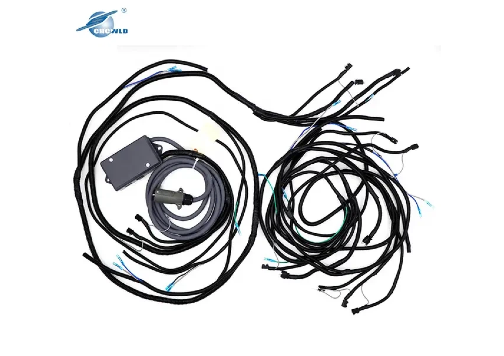
The trailer wiring harness functions by transmitting electrical signals from the towing vehicle to the trailer. It connects the vehicle’s electrical system with the trailer’s electrical system. Here’s a breakdown of how it works:
Power Transmission: When the vehicle is started, the vehicle’s battery or alternator powers the trailer's electrical system. The wiring harness allows the vehicle to transmit power to the trailer’s lighting system and other electrical components.
Signal Communication: The towing vehicle sends signals to the trailer for various functions. For instance, when the vehicle’s brake lights are activated, the trailer’s brake lights also turn on. Similarly, when the vehicle’s turn signals are used, the trailer’s corresponding turn signals activate. The wiring harness transmits these signals through its wires to the trailer’s light system.
Electric Brake Control: For trailers that have electric brakes, the wiring harness also carries the signal from the vehicle to the trailer’s brake system. This ensures that both the vehicle and the trailer can brake simultaneously and evenly, reducing the risk of accidents when stopping.
Grounding: A trailer wiring harness includes a ground wire that completes the circuit between the vehicle and the trailer. Without this ground connection, the electrical system would not work properly, and the lights or brakes on the trailer might malfunction.
There are several types of trailer wiring harnesses available, each designed to meet different towing needs. The type of wiring harness you choose depends on the trailer’s requirements and the vehicle’s capabilities. Here are the most common types of trailer wiring harnesses:
4-Pin Wiring Harness: The 4-pin wiring harness is one of the most basic types and is typically used for small trailers with basic lighting requirements. It connects the vehicle's lights to the trailer's running lights, brake lights, and turn signals.
5-Pin Wiring Harness: The 5-pin harness is used for trailers that require an additional connection, such as a reverse light or auxiliary power. It provides more flexibility than the 4-pin harness and is commonly used for small to medium-sized trailers.
7-Pin Wiring Harness: The 7-pin wiring harness is used for larger trailers that require electric brakes and other power functions. This harness allows for more advanced connections and provides additional power to the trailer for electric brake systems, reverse lights, and auxiliary power.
7-Way Round Connector: Commonly found on full-size trucks and RVs, the 7-way round connector is a heavy-duty connector used for larger trailers that require multiple electrical functions, including electric brakes, reverse lights, and auxiliary power.
Installing a trailer wiring harness is generally a straightforward process, especially if your vehicle already has a pre-wired connection point. Here’s a step-by-step guide to help you with the installation:
Find the Vehicle’s Connector: Many vehicles come with a pre-wired connector located near the rear bumper or under the vehicle. Consult your vehicle’s manual to locate the appropriate connector. If your vehicle doesn’t have a connector, you may need to hardwire the trailer harness into the vehicle’s electrical system.
Select the Right Wiring Harness: Choose a wiring harness that is compatible with your vehicle and trailer. Ensure that the harness has the appropriate number of pins to meet the needs of your trailer (e.g., 4-pin, 5-pin, 7-pin).
Connect the Harness: Plug the wiring harness into the vehicle’s connector. If necessary, hardwire the harness into the vehicle’s electrical system, which involves connecting the wires to the vehicle’s battery and ground.
Secure the Wiring: Once the harness is connected, secure the wiring along the vehicle’s undercarriage or rear bumper. Ensure that the wires are properly fastened to avoid any loose connections.
Test the Trailer Wiring: After installation, test all electrical functions, including the brake lights, turn signals, running lights, and electric brakes (if applicable). This ensures that the trailer’s electrical components are functioning correctly.
Adjust and Maintain: Periodically inspect the wiring harness for any signs of wear or damage. Over time, the wires and connectors may experience corrosion or breakage, so it’s important to replace any damaged components promptly.
While trailer wiring harnesses are generally reliable, certain issues can arise over time. Here are some common problems and how to troubleshoot them:
Faulty Connections: Loose or corroded connectors can cause the trailer’s lights to malfunction. Inspect the connectors regularly and clean or replace them if necessary.
Blown Fuses: If the trailer’s lights or brakes stop working, check the vehicle’s fuse box for blown fuses. Replace any blown fuses with the correct rating to restore functionality.
Short Circuits: A short circuit in the wiring can cause the trailer’s lights to flicker or fail. Inspect the wiring for any exposed wires or cuts that might be causing a short circuit.
Grounding Issues: A poor ground connection can cause the trailer’s lights or brakes to malfunction. Ensure that the ground wire is properly connected to both the vehicle and the trailer to maintain a reliable electrical connection.
A trailer wiring harness is an essential component for safe and efficient towing. By ensuring that the trailer's lights, brakes, and other electrical functions are properly connected to the towing vehicle, the wiring harness helps maintain safety on the road and ensures compliance with legal requirements. Installing and maintaining the harness correctly is vital to avoid accidents and electrical malfunctions.
If you're looking for a high-quality trailer wiring harness, Guangzhou City Youye Electronics Co., Ltd. offers durable and reliable wiring solutions to meet your needs. Contact them today to find the perfect harness for your towing vehicle and trailer.
Q: What is a trailer wiring harness?
A: A trailer wiring harness is a set of wires and connectors that transmits electrical signals from the towing vehicle to the trailer, ensuring that the trailer's lights, brakes, and other systems function correctly.
Q: How do I install a trailer wiring harness?
A: To install a trailer wiring harness, locate the vehicle's pre-wired connector, choose the correct harness for your trailer, and plug it into the vehicle's connector. If your vehicle lacks a pre-wired connector, you will need to hardwire the harness.
Q: What are the different types of trailer wiring harnesses?
A: The most common types of trailer wiring harnesses include the 4-pin, 5-pin, and 7-pin configurations, each offering different levels of functionality for various trailer needs, such as brake lights, electric brakes, and auxiliary power.
Q: How can I maintain my trailer wiring harness?
A: To maintain your trailer wiring harness, regularly inspect the connectors and wires for damage, ensure proper grounding, and clean any corrosion that might cause a poor connection.