
 English


Views: 0 Author: Site Editor Publish Time: 2026-01-16 Origin: Site


You can find and fix problems in your motorcycle wiring harness if you follow steps carefully. Always use a wiring diagram and the correct tools like a multimeter. Many problems happen because of bad grounding, loose or rusty connections, and broken solder joints. Bad crimping can also make wire harness connections not work well. If you check things one by one, you can find most problems and fix your motorcycle’s electrical system.
Use a wiring diagram and a multimeter to help find problems in your motorcycle's wiring harness.
Check connectors often for rust and loose connections so you can stop electrical problems.
Look for broken wires and corrosion, especially after you ride in the rain.
Make sure the ground is strong by cleaning the terminals and using stainless star washers for better connections.
Do regular maintenance to keep wires safe from heat and sharp edges, which helps your wiring harness last longer.
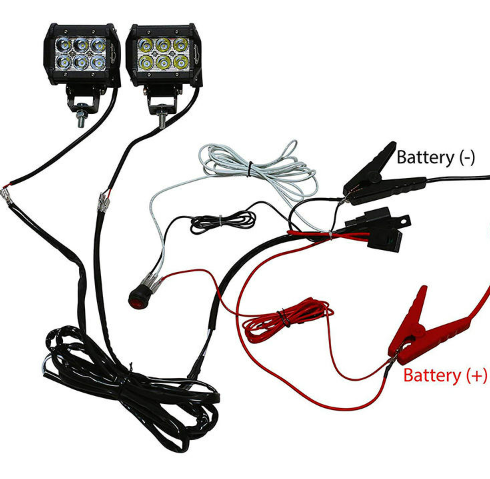
If your motorcycle acts weird, it might have bad connections. Loose or rusty connectors can make your bike lose power or turn off. Rust on connector pins makes it harder for electricity to flow. This can make the motor run rough. Wet weather and dirt can make these problems worse. Hot days can also cause electrical parts to stop working. Look for broken or bad solder joints, wrong crimping, and old or rusty connections. Use the right crimping tools and put anti-corrosion grease on plugs to help stop these problems.
Tip: Always look at connectors for rust or if they are loose. Change any that look broken.
Broken wires often hide behind the triple tree or near the ECM connector. These breaks can turn on the check engine light or make sensors read wrong. Your throttle might not work, or the bike may speed up oddly. Sometimes, you will see wires that are frayed, showing metal, bent, or smell burning. Listen for strange sounds from the motor, as these can mean wires are too hot or damaged.
Corrosion happens a lot, especially after riding in rain or mud. Water and dirt can build up on connector pins, making green or white stuff appear. This build-up makes it harder for electricity to move and can make your motorcycle wiring harness stop working. Water inside connectors can even cause short circuits. Check your wiring often and use a digital multimeter to look for voltage drops. Put dielectric grease on connectors to keep water out and protect your wiring.
Poor grounding causes lots of electrical problems. If the ground is weak, lights may flicker or other parts may not work right. Bad grounding makes it harder for electricity to flow and hurts performance. Clean the terminals and use stainless star washers to keep a good connection. Make sure you have strong ground points on the engine, frame, and regulator/rectifier.
Blown fuses usually mean there is a short circuit or something is using too much power. Aftermarket lights or gauges that are not put in right can cause this. Worn, rusty, or exposed wires can also blow fuses. If you keep changing fuses and they blow again, check all connectors and wires for damage. Sometimes, water inside the harness or using the wrong fuse can cause trouble. Look at the wiring harness closely to find the problem.
Get your tools before you start. You need a wiring diagram, a digital multimeter, electrical tape, and labels or masking tape. These tools help you stay safe and keep things clear while you fix wires.
Look closely at the wiring harness first. This helps you find many problems. Follow these steps:
Take off the battery. Wear gloves and goggles for safety.
Begin at the battery. Check each wire and connector for damage.
Look at connectors for rust, corrosion, or loose pins. Make sure connectors fit tight.
Wiggle and pull wires gently. See if any wires feel loose or lose contact.
You might see different kinds of damage. Here is a table to help you spot them:
Type of Damage | Description |
|---|---|
Insulation damage | Cracks, cuts, or scrapes on the wire covering. |
Connectors | Rust, corrosion, or loose pins that block electricity. |
Heat damage | Melted or burnt spots show overheating or shorts. |
Tip: Put a label on each wire you disconnect. This makes it easier to put everything back and stops mistakes.
Check your battery voltage to see if your electrical system is healthy. Use your multimeter for this test:
A full lead-acid battery should show about 12.6 volts.
A lithium-ion battery should show around 13.6 volts.
When the motorcycle runs, voltage should be close to 14.4 volts.
Rev the engine to 4,000–5,000 rpm. Voltage should stay between 14 and 15 volts.
If voltage drops below 13.5 volts or goes above 15.0 volts, there may be a problem with the stator or regulator/rectifier.
Testing battery voltage helps you find charging system problems. Measure voltage at different spots to check the stator, regulator, or wiring harness. If you see low or jumpy readings, look for broken wires or corrosion.
Many electrical problems come from bad connections or weak grounding. Focus on these places:
Look for broken or bad solder joints.
Check for terminals that are not crimped right.
Look for old, rusty, or loose connections.
Make sure ground wires are tight on the frame or engine.
Use your multimeter to test if ground points connect well to the battery. Good ground should have very low resistance. Clean dirty or rusty ground spots and use star washers for better contact.
Note: Label wires while you work. This helps you remember where each wire goes.
Fuses and relays keep your motorcycle wiring harness safe. If a fuse blows, some parts may stop working. Here is what to do:
Find the fuse box. It is usually under the seat or near the battery.
Take out each fuse. Look for a broken metal strip inside.
Change blown fuses with new ones that have the same amperage.
Check relays for burning or melting.
A blown fuse means there is a short circuit or too much current. If fuses keep blowing, look for damaged wires or bad parts.
Continuity testing checks if electricity can move through each wire. Use your multimeter for this:
Touch one probe to each end of the wire.
If the multimeter beeps or shows low resistance, the wire is good.
If there is no beep or the reading is high, the wire may be broken or have a bad connection.
Common problems found in continuity testing include:
Wrong or mixed-up wiring
Loose terminals or connections
Crossed or shorted wires
Bad crimps or solder joints
Damaged wire covering
Wrong wire size or terminal type
Bent or misshaped connectors
Check your results with the wiring diagram. This helps you find open circuits or shorts fast.
Tip: Label wires as you test and fix them. This saves time and helps you avoid mistakes.
If you follow these troubleshooting steps, you can find and fix most problems in your motorcycle wiring harness. Go slow, use the right tools, and always check your work twice.
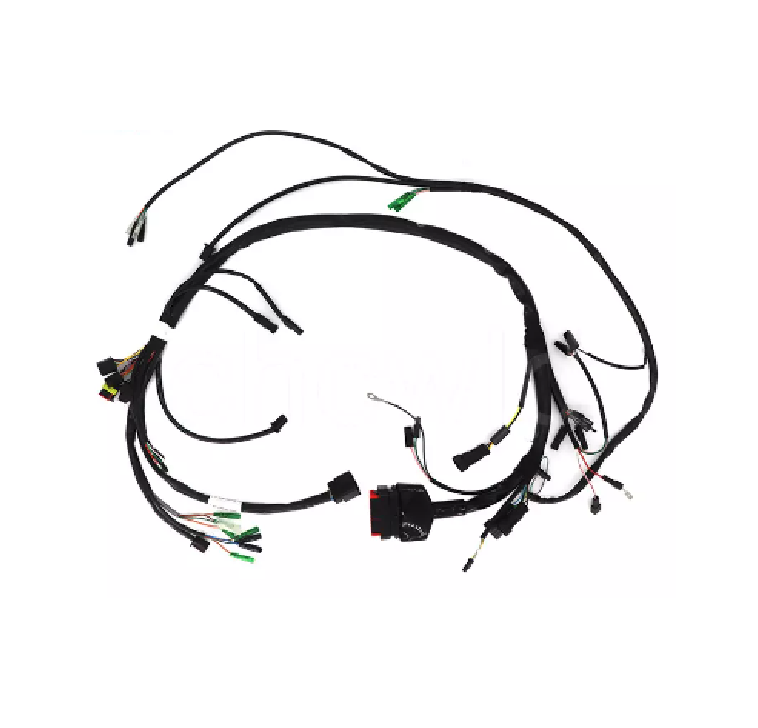
You can use a multimeter to find many electrical problems. Start by checking for physical damage. Look for worn or frayed wires, loose connections, and corroded connectors. Next, test voltage by connecting the ground wire to the battery's negative terminal. Measure the voltage across different wires in the harness. Set your multimeter to continuity mode. Touch both ends of a wire. If you hear a beep, the wire works well. You can also do a load test. Disconnect electrical parts and measure voltage drops to see if the harness can handle power. Try a wiggle test. Move the wires gently while watching the multimeter. If the numbers jump, you may have a loose connection.
Tip: Always compare your results to the wiring diagram for your motorcycle.
Pinch points can damage wires and cause hidden faults. You should protect cables from sharp edges and mechanical damage. Common pinch points include steering stops, spots between the frame and seat, and fuel tank mounts. Use quality cable sleeves or "snakeskin" to shield wires from wear and heat. Check these areas often to prevent problems before they start.
Protect cables from sharp edges.
Watch for pinch points at steering stops, frame-seat gaps, and tank mounts.
Use cable sleeves for extra safety.
Heat can harm your wiring harness. Look for melted wires near the engine. Corrosion at connectors is another sign of heat trouble. Sometimes, insulation gets chafed from rubbing against the frame. These signs mean you need to fix the problem soon.
Heat Damage Sign | What to Look For |
|---|---|
Melted wires | Near engine or hot parts |
Corroded connectors | Green or white build-up |
Chafed insulation | Worn spots on wire covering |
Hidden breaks can be tricky. Use a multimeter to measure voltage, resistance, and continuity. This helps you find faulty connections and breaks in the circuit. A wire tracer tool or a continuity test can confirm if a wire is broken. If you find a spot with no beep or a high reading, you may have found the break.
Note: Take your time and check each wire. Careful testing helps you fix your motorcycle wiring harness the right way.
You can fix most wiring problems if you use the right steps. First, check your ground connections. Make sure they are clean and tight. Before you disconnect a wire, label it. Use heat shrink or tape to mark wires. This helps you know where each wire goes. Keep wires organized and bundle them together. This stops wires from getting tangled. When you join wires, use soldering or crimping. These methods make strong connections. Cover repaired wires with heat shrink tubing. Wrap any exposed wires with electrical tape. Use silicone tape to seal the harness. This keeps out water and dirt.
Tip: Always label wires when you repair them. This makes putting everything back easier and helps you avoid mistakes.
You can stop many wiring problems by caring for your harness. Keep wires away from sharp edges and hot engine parts. Use grommets or rubber sleeves where wires go through metal. Hold wires in place with cable ties or clamps. Give wires some slack at hinges and bends. Use protective sleeves to stop wires from getting worn. Pick heat-shrink tubing and good connectors for repairs. Do not use quick-splice taps or regular tape for fixes. Use sealed connectors in wet places. Clean the engine bay and undercarriage often to stop corrosion.
Keep wires away from heat and sharp edges
Use grommets and sleeves for protection
Hold wires with cable ties and clamps
Clean and check wires often
You can keep your wiring working well by following some best practices. Bundle wires together for extra strength and insulation. Use sheathing or split plastic tubes to protect wires. Route the harness away from heat to keep insulation safe. Pick high-quality materials for repairs. Check the harness often for wear, cuts, or heat damage. Make sure there is strain relief at connection points. This stops wires from getting pulled or stressed.
Note: Regular cleaning and checking help stop corrosion and keep your wiring working well.
You can solve most wiring harness problems if you follow a step-by-step process. Use your wiring diagram and test each wire with a multimeter. Label wires and fix damaged spots with tape or heat shrink. Clean connectors and check grounds often. Regular inspection helps prevent future issues. Use the right tools for every job. Take your time and pay attention to details. Patience helps you find hidden faults and keeps your motorcycle running safely.
Tip: Careful work and regular checks make your electrical system last longer. ️
You may see flickering lights, blown fuses, or your bike will not start. You might smell burning or see melted wires. Use a multimeter to check for broken wires or poor connections.
You need a wiring diagram, a digital multimeter, electrical tape, wire strippers, and labels. These tools help you test, repair, and organize wires safely.
Yes, you can fix many wiring harness problems at home. Use the right tools and follow each step. Label wires before disconnecting them. If you feel unsure, ask a professional for help.
Check your wiring harness every few months or after riding in rain or mud. Regular checks help you find problems early and keep your motorcycle safe.