
 English


Views: 0 Author: Site Editor Publish Time: 2026-01-16 Origin: Site


Have you ever turned the key and your bike’s lights flicker or not start? Checking and cleaning your motorcycle wiring harness often helps you avoid annoying electrical problems. You do not need special tools, just some basic ones and some patience. Taking care of your wiring harness early stops surprise breakdowns and costly fixes. If you look after your wire harness, your bike works better and your rides stay easy.
Check your motorcycle wiring harness often to find problems early. Watch for wires that look worn, rust, and loose parts to stop breakdowns.
Use the correct tools and ways to clean your wiring harness. Simple things like electrical contact cleaner and fine sandpaper can help it work better.
Keep your wiring neat by bundling and labeling it right. This stops damage and helps you fix problems faster.
Change your wiring harness if you see bad damage, like cracked covering or burnt marks. A new harness keeps your motorcycle safe and working well.
Make a plan to care for your wiring harness. Look at it every 4,000 miles and before long rides to keep your motorcycle working smoothly.

You want your bike to start every time and run smoothly. If you ignore your motorcycle wiring harness, you might face annoying problems. Wires and connectors can wear out or corrode. This can mess up the flow of electricity. When that happens, you may notice strange things like flickering lights or a horn that sounds weak. Sometimes, your bike will not start at all. Other times, the battery will not charge, or the fuel supply will act up. Even the engine can fail when it needs more power.
Tip: Regular checks help you catch these problems before they leave you stranded.
Here are some common electrical issues you might see if you neglect your wiring harness:
Weak lighting
Poor or no starting ability
Slow-moving wipers
Failing meters
Battery that does not charge
Soft horn
Flashing interior lights
Poor fuel supply
Engine failure when drawing high current
Taking care of your motorcycle wiring harness keeps these problems away. You get reliable performance and fewer surprises on the road.
You want your bike to last for years. A well-maintained motorcycle wiring harness helps with that. When you clean and inspect the wires, you stop corrosion and damage. If you route cables the right way, you avoid sharp bends and kinks. This keeps the wires from breaking inside. Checking the harness often lets you spot trouble early and fix it fast.
Note: Clean connectors and organized cables make your bike’s electrical system work better for longer.
Here are some ways you can boost the life of your wiring harness:
Proper cable routing keeps wires safe from sharp bends.
Regular cleaning stops corrosion and keeps connectors working.
Consistent inspection helps you find wear and fix it before it gets worse.
When you look after your motorcycle wiring harness, you make your bike more reliable. You spend less time fixing problems and more time enjoying your rides.
Before you start, get all your tools together. This makes the job easier and helps you not forget anything. Here is a list of what you need:
Connector cleaner or electrical contact spray
WD-40 or another spray that keeps water away
Fine-grit sandpaper for cleaning connectors
Compressed air from a can or compressor
Heat shrink tubing to protect fixed wires
Electrical tape
Wire strippers and crimpers
Small screwdrivers
Labels or masking tape and a marker
You might also want a flashlight and zip ties to hold wires together. These tools help you clean, check, and organize your wiring harness safely.
Tip: Always keep cables safe from sharp edges. Use edge guards or wrap tape around wires where they touch metal. This stops wires from getting damaged and causing shorts.
Here are some mistakes people often make:
Mistake Type | Description |
|---|---|
Grounding Issues | Paint can cover ground spots and stop electricity from moving. |
Edge Protection | Wires can break if they rub on sharp metal. |
Improper Joins | Too many joins or bad connections can cause problems. |
Overcomplicating Wiring | Extra wires make it harder to fix things. |
Incorrect Fuse Size | The wrong fuse can hide issues and make things worse. |
Always use the right wiring diagram for your motorcycle. The diagram shows where each wire goes and what it connects to. If you use the wrong one, you might put wires in the wrong place and cause problems.
Look in your owner’s manual or service manual for the right diagram.
Label wires when you unplug them so you know where they go later.
Try not to make extra joins. If you must join wires, make sure the connection is strong and covered well.
Note: Simple wiring makes it much easier to fix problems later.
Getting ready and using the right tools helps you avoid mistakes. You keep your motorcycle wiring harness working well and your rides smooth.
Taking a close look at your motorcycle wiring harness helps you catch problems before they get worse. You do not need fancy tools. You just need a good eye, a flashlight, and a little patience. Let’s break down what you should look for and how you can spot trouble early.
Start by looking at every wire and connector you can reach. You want to find anything that looks out of place or worn out. Here’s what you should watch for:
Frayed or exposed wires
Kinks or sharp bends in cables
Wires rubbing against metal or moving parts
Burn marks or melted insulation
Loose or broken connectors
Error codes on your dashboard, like E07 or 007 for motor or sensor problems, and E10 or E11 for communication issues
Changes in how your bike runs, such as unresponsive throttle or strange acceleration
Tip: Listen for odd sounds when you turn on your bike. Sometimes, a buzzing or clicking noise means there’s a wiring issue.
If you see any of these signs, you should fix them right away. Small problems can turn into big ones if you ignore them. A simple visual check can save you from a breakdown later.
Corrosion is a sneaky enemy. It hides inside connectors and under tape. Moisture, dirt, and salt can cause rust and make your electrical system weak. You need to check for corrosion often, especially after riding in rain or on salty roads.
Here’s how you can spot and test for corrosion:
Look at all connectors and terminals. If you see green or white powder, that’s corrosion.
Use a multimeter to test for continuity. If the path is broken, you might have corrosion inside.
Try a resistance test. Pass a low-voltage current through each wire and connector. If the resistance is too high, you probably have a bad crimp or rust.
Check battery terminals and ground straps. These spots collect corrosion fast.
Make sure all clips and ties are holding the harness in place. If wires bounce or rub, they can wear down and let water in.
Note: Spray connectors with electrical contact cleaner and use dielectric grease to keep moisture out. This simple step helps prevent corrosion.
Environmental factors like humidity and temperature changes make corrosion worse. Humidity keeps salt active, and temperature swings cause metal to crack. Water can sneak into connectors and cause short circuits. High heat can melt insulation and make wires brittle.
Here’s a quick table to help you remember what to check:
What to Inspect | What to Look For | How Often |
|---|---|---|
Connectors & Terminals | Rust, green/white powder | Every few months |
Wires | Frays, kinks, exposed metal | Every few months |
Battery Terminals | Corrosion, loose connections | Every ride |
Ground Straps | Rust, tightness | Every ride |
Regular inspection of your motorcycle wiring harness keeps your bike running strong. You catch problems early and avoid expensive repairs.
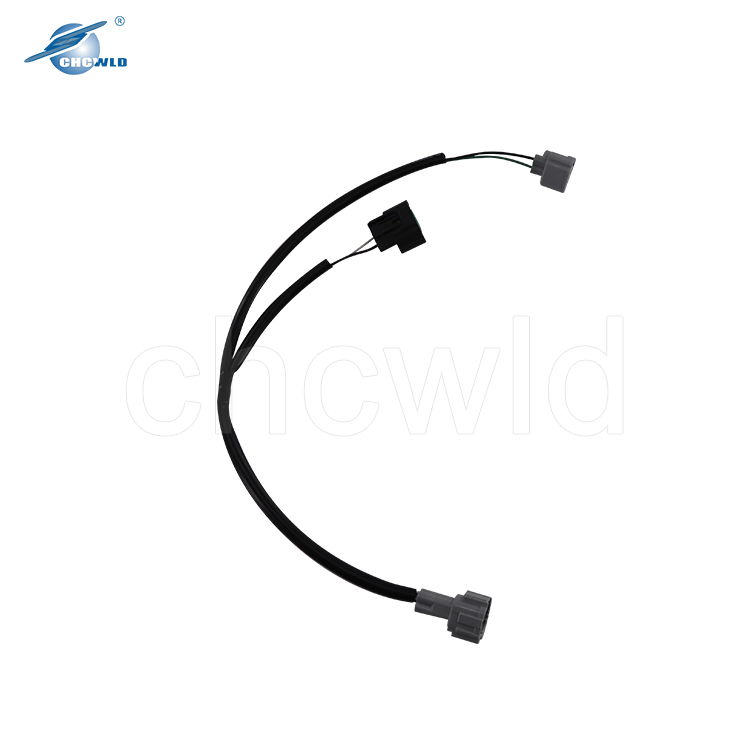
Cleaning your motorcycle wiring harness helps your bike work well. It also stops electrical problems from happening. You do not need expensive cleaners or hard steps. Just use the right cleaning products and be careful.
You want to get rid of dirt without hurting anything. Some cleaners are safe for your motorcycle wiring harness. Here are some good choices:
Mild soap and water: This cleans dirt and does not hurt insulation.
Isopropyl alcohol: It gets rid of grease and oil. It dries fast, but do not use it on painted or plastic parts.
Electrical contact cleaner: This is made for electrical parts. It cleans tough dirt and does not leave anything behind.
Specialized harness cleaners: These are made for motorcycle harnesses. They protect wires, but they cost more.
Tip: Never use strong chemicals like bleach or ammonia. These can ruin insulation and connectors. Rough cleaners can scratch wires and show metal, which causes electrical problems.
Here is a table to help you pick the best cleaner:
Cleaning Agent | Safe For Wires | Removes Grease | Leaves No Residue | Cost |
|---|---|---|---|---|
Mild Soap & Water | Yes | No | Yes | Low |
Isopropyl Alcohol | Yes | Yes | Yes | Low |
Electrical Contact Cleaner | Yes | Yes | Yes | Medium |
Specialized Harness Cleaner | Yes | Yes | Yes | High |
Bleach/Ammonia | No | Yes | No | Low |
Strong cleaners can cause big trouble. They break rubber hoses and seals, making them crack. They also make plastic parts weak and change color. Paint can come off. Wiring insulation can fall apart, which leads to electrical problems.
Note: Use gentle cleaners. You keep your motorcycle wiring harness safe and avoid costly repairs.
Connectors need extra care. Dirt and water can get inside and cause problems. You want to keep them clean and dry so your bike works every time.
Here are easy steps for connector care:
Unplug connectors gently. Do not pull hard or twist.
Wipe connectors with a soft cloth. This gets rid of dirt without scratching.
Use mild soap and water for tough dirt. Do not soak connectors. Dry them right away.
Spray electrical contact cleaner on stubborn dirt. Let it dry before plugging back in.
Use compressed air to blow out dust and water from tight spots.
Make sure connectors are dry before you plug them back in.
Tip: Do not use silicone grease on rusty connections. It traps water and makes rust worse.
Clean connectors every month to keep good contact. You can unplug and plug connectors to break up dirt. Put a little dielectric grease on outside connectors. This keeps water out and stops rust.
You should also wipe all cables with a clean, dry cloth. Pay extra attention to connectors, since dirt and water can cause problems fast. Keeping cables dry stops rust and keeps your motorcycle wiring harness working well.
Note: Cleaning cables and connectors carefully helps them last longer and keeps your bike working.
Keeping your motorcycle’s wiring harness secure means you get fewer electrical problems and more reliable rides. Let’s talk about how you can make sure every connection stays tight and clean.
Loose or dirty connectors can cause all sorts of trouble. You might see flickering lights or even a bike that won’t start. You can fix most of these problems with a few simple steps.
Unplug each connector gently. Don’t yank or twist.
Use fine-grit sandpaper to clean the metal parts. This removes rust and dirt. You get a better connection.
Wipe away any dust with a clean cloth.
Spray a little electrical contact cleaner if you see stubborn grime.
Let everything dry before you put it back together.
Use a quality crimping tool when you need to attach new connectors. This makes a strong, long-lasting connection.
Try solderless connectors instead of solder joints. These handle vibration better and last longer.
If you ride in wet or dusty places, use enviro-connectors. They seal out water and dirt.
Tip: After cleaning, add a small dab of dielectric grease to the connector. This keeps out moisture and stops corrosion.
When you strip wires, trim them so no bare wire sticks out past the terminal sleeve. This keeps things neat and safe.
Ground wires are important. If they get loose or rusty, your bike might not start or run right. You can fix ground connections with a few tools.
Check all ground wires for rust or loose ends.
If you see green or white powder, clean it off with sandpaper.
Cut back any damaged wire. Strip just enough to fit in the terminal.
Make sure no bare wire sticks out.
Crimp the wire tightly into a new terminal. Use a good tool for this.
If you need to solder, heat the wire and terminal just enough to melt the solder. Don’t use too much heat.
Cover the new joint with heat shrink tubing or electrical tape.
Note: A solid ground connection keeps your bike’s electrical system working right. Take your time and do it well.
You can keep your motorcycle wiring harness in top shape by checking and securing every connection. This small effort gives you peace of mind on every ride.
You want your motorcycle wiring harness to last. Protecting wires with the right materials makes a big difference. If you use cheap tape or skip shrink tubing, you risk damage from heat, moisture, and moving parts. Here are some top choices for keeping your wires safe:
Heat Shrink Tubing: This works best in spots that get hot. Pick tubing that matches your bike’s operating temperature.
Dual-Walled Heat Shrink: Use this for connections that might get wet. It seals out moisture and helps stop corrosion.
Braided Sleeves: These sleeves shield wires from rubbing against moving parts. They add extra protection against wear.
When you wrap wires, make sure you cover every exposed part. If you leave gaps, water and dirt can sneak in. Always check that your tape sticks well and doesn’t peel off. If you see old or cracked tape, replace it right away.
Tip: Heat shrink tubing gives a tight seal and looks neat. You can use a heat gun or even a hair dryer to shrink it.
Bundling and labeling wires makes your life easier. If you organize your harness, you spend less time searching for problems. Here’s why you should bundle and label:
Bundling wires keeps them neat. You avoid confusion when you need to repair something.
Labels help you find the right wire fast. You save time during troubleshooting.
Heat shrink labels stay put. They don’t fade or fall off, so you always know which wire is which.
If you skip bundling, wires can tangle and rub against sharp edges. This leads to broken insulation and electrical failures. Poor grounding, bad solder joints, and corroded connections all cause headaches. You can prevent these problems by keeping wires organized and protected.
Note: Use zip ties or Velcro straps to bundle wires. Write clear labels with a marker or use printed tags. Organized wires mean quicker fixes and fewer surprises.
Sometimes, no amount of cleaning or fixing will save your wiring harness. You need to know when it’s time to let go and get a new one. Here are some clear signs you should watch for:
You see wires with brittle or cracked insulation. If you touch them, they might break or crumble.
The harness has been cut, spliced, or patched so many times that you can’t tell what’s original anymore.
You spot burnt or melted spots on the wires. Sometimes, you even smell burnt rubber after a ride.
Your bike’s warning lights come on while you’re riding, or the lights flicker and dim for no reason.
Electrical parts like the horn, starter, or gauges work only sometimes or stop working at all.
The engine stalls or makes odd noises, especially when you hit a bump or turn the handlebars.
Tip: If you notice any of these problems, don’t wait. Riding with a damaged harness can leave you stranded or even cause a fire.
Picking the right replacement harness keeps your bike safe and reliable. You want something that fits your motorcycle and matches your riding style. Here’s what you should look for:
Make sure the harness is made for your bike’s make and model. OEM-level integration means everything plugs in where it should.
Choose a harness with weather-resistant insulation. Look for waterproof ratings like IP65 or IP67.
Check for safety certifications and industry standards, such as SAE J1128 and RoHS compliance.
Pick wiring with oxygen-free copper and the right thickness for your bike’s power needs.
Think about your riding style. If you ride off-road or in bad weather, you need extra protection and stable voltage output.
Look for harnesses that can handle wide temperature swings, from freezing cold to summer heat.
Note: A quality harness gives you peace of mind. You avoid electrical headaches and keep your rides smooth and safe.
You want your motorcycle to stay reliable. Regular checks make a big difference. You do not need to wait for a problem to show up. You can spot trouble early if you follow a simple schedule.
Look over your wiring harness and connections every time you do regular maintenance. Most riders check every 4,000 miles.
Plan a deeper inspection once a year. You can also do this before a long road trip.
Check battery terminals and ground wires before every ride. These spots collect dirt and corrosion fast.
Tip: Set a reminder on your phone or calendar. You will not forget these important checks.
You can keep your wiring harness in top shape with a few smart habits. Here is a table with the best tips and why they work:
Maintenance Tip | Description |
|---|---|
Inspect wiring harnesses | Look for signs of wear, corrosion, or damage. |
Check electrical connections | Make sure everything is tight. Loose connectors can cause heat and problems. |
Use a multimeter | Test for good voltage and continuity. This helps you find hidden issues. |
Regular checks and cleaning | Clean connectors and wires. Secure all fasteners to prevent failure. |
Identify issues early | Fix frayed wires or rust before they get worse. |
Replace faulty components | Swap out damaged parts to keep your bike safe and reliable. |
You do not need fancy tools. A flashlight, a clean rag, and a multimeter help you spot most problems. If you see a frayed wire or a rusty connector, fix it right away. Do not wait for a breakdown.
Note: Clean and organized wires last longer. You get more rides and fewer surprises.
You can make wiring harness care a habit. Your motorcycle will thank you with smooth starts and safe rides. ️
You can help your motorcycle work well by checking, cleaning, and organizing the wiring harness. If you look at it often, you find problems early and stop electrical trouble. Make sure you take care of the harness as part of your regular routine. This saves you money, keeps you safe, and helps you feel calm every time you ride.
You get to know your bike better and find problems before they cost a lot.
Fixing things early stops your bike from breaking down and lets you keep riding.
Taking care of your harness means safer rides and fewer surprises. ️
You should inspect your wiring harness every 4,000 miles or at least once a year. Quick checks before long trips help you catch problems early.
Look for flickering lights, weak horn, strange smells, or wires with cracked insulation. If your bike acts up or won’t start, check the harness first.
You can use isopropyl alcohol or mild soap and water. Avoid harsh chemicals. Always dry connectors completely before plugging them back in.
Here’s a quick list:
Flashlight
Electrical contact cleaner
Fine-grit sandpaper
Wire strippers
Labels or tape
Tip: Keep these tools handy in your garage for quick fixes.