
 English


Views: 0 Author: Site Editor Publish Time: 2026-01-15 Origin: Site


Tip: Always take electrical issues seriously. Quick repairs can prevent accidents.
Do not drive if your wiring harness is bad. This can cause electrical shorts, loss of power, or even fires.
Watch for warning signs like lights that flicker, fuses that blow, or burning smells. These signs mean there are big wiring problems.
Stop driving right away if you think there is a wiring problem. Acting fast can stop accidents and save money on repairs.
Take care of your wiring harness often to stop problems. Check for damage every few years.
Always get help from a professional for wiring problems. Experts can fix wiring safely and the right way.
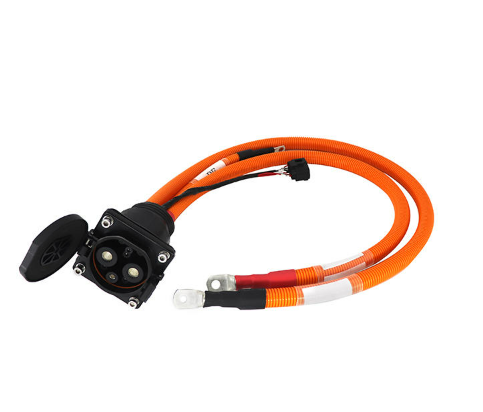
A vehicle wiring harness links many electrical parts in your car. If this harness breaks, you could face big safety problems. It is important to know these dangers to keep everyone safe.
A broken wiring harness can make electrical shorts happen. Wires might touch or rust, and then electricity moves too fast. This fast flow makes wires and other parts get hot.
If a wire gets rusty or touches another metal part, it can cause a short circuit. Electricity will rush through the wires, making them and other parts hot.
These problems can happen from old age, water leaks, too much heat, or bad connections. Here are some main causes:
Rubbing or weather can wear down the wire covering.
Water can get in if seals break, causing electrical trouble.
Too much heat happens when circuits are overloaded or connections are not good.
Loose or rusty connectors can make things stop working.
Wires can snap from being pulled or getting old.
Fires are a big worry. Bad wiring harnesses can start fires and short circuits. These issues often come from poor building, bad fixes, or old wires. Things like road junk and water can make it worse.
The fire danger comes from bad electrical parts in the engine area, especially the power box and wiring harness. Hot connectors can set things around them on fire.
You should know that connectors can get too hot if they are not tight enough. Rusty or loose connections make more resistance, which makes heat. This heat can melt plastic and show bare wires. Bare wires can spark and start a fire.
Your car needs the wiring harness to send power to important parts. If the harness breaks, you might lose power to brakes, steering, or safety systems. New cars use lots of wires, fuses, sensors, and connectors. One broken wire or rusty connector can stop everything.
Safety systems like ABS, traction control, and airbags might not work if wiring fails.
Losing power can hurt brakes and steering, making driving unsafe.
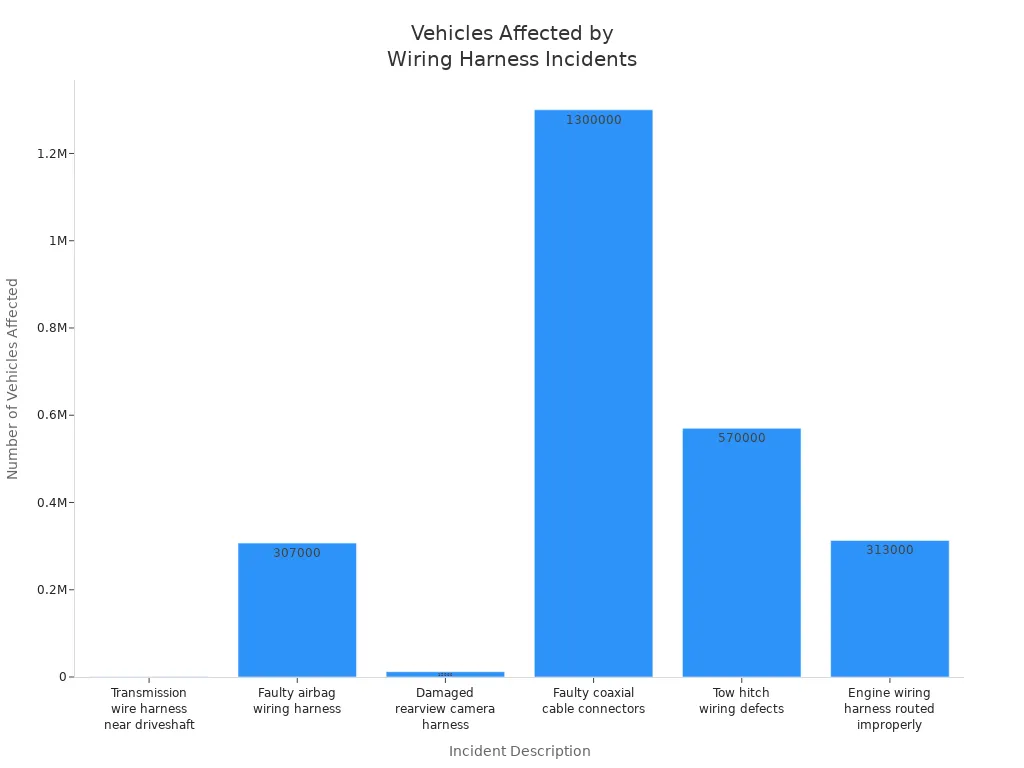
Many stories show how wiring harness problems can make power stop suddenly. Look at this table for real examples:
Incident Description | Impact | Number of Vehicles Affected |
|---|---|---|
Transmission wire harness too close to driveshaft | Worn insulation and sudden power loss | 400 |
Bad airbag wiring harness turns off front passenger airbags | Higher crash risk | 307,000 |
Broken rearview camera harness from shaking | Camera stops working | 12,000 |
Bad coaxial cable connectors in rearview camera harness | Power loss | 1,300,000 |
Tow hitch wiring problems cause fire danger | Fire risk | 570,000 |
Engine wiring harness in wrong place | Trouble finding problems and sudden engine stops | 313,000 |
Overheated harnesses in machines | Short circuits and fire danger | Thousands |
A bad vehicle wiring harness can make lights not work right. You might see dim or blinking headlights. Sometimes, lights do not work at all. These problems make it hard to see the road and for others to see you.
Loose connectors can make headlights blink.
Water can cause rust, stopping electricity and making lights dim.
Broken wires can make all the lights stop working.
When lights do not work, you cannot see well. It is not safe to drive at night or in bad weather. Wiring harness problems can also hurt other important systems, making it even harder to see.
Tip: If you see blinking lights or sudden darkness, check your wiring harness right away.
A vehicle wiring harness connects many parts in your car. When it starts to fail, you will notice certain warning signs. Paying attention to these signs can help you avoid bigger problems.
You might see your headlights or dashboard lights flicker or become dim. This often means the wiring is not sending power correctly. Sometimes, the lights work one moment and then stop the next. You may also notice your radio or other accessories acting strangely. These problems can happen when the wiring harness has loose connections or damaged wires.
Headlights or taillights blink or fade
Dashboard lights turn off and on
Radio or wipers work only sometimes
If your lights act up, check your wiring right away. Poor lighting makes driving unsafe, especially at night.
Blown fuses are a common sign of wiring harness trouble. Fuses protect your car from electrical damage. When a fuse blows, it often means a wire has shorted or overheated. You may also notice that some parts of your car stop working, like the air conditioning or power windows.
Fuses blow often or without warning
Accessories like wipers or windows stop working
Engine may jerk or lose power
Pinched wires, broken insulation, or wires routed the wrong way can cause these problems. If you keep replacing fuses, you likely have a deeper wiring issue.
A burning smell inside your car is a serious warning. Overheating wires can melt their plastic covers. You might even see exposed wires under the dashboard or hood. These exposed wires can spark and start a fire.
Smell of burning plastic or rubber
Wires look melted or bare
Smoke comes from under the hood or dash
Never ignore a burning smell. Stop driving and get your car checked. Fires can start quickly when wires overheat.
By watching for these signs, you can catch vehicle wiring harness problems early and keep your car safe.
If you ignore wiring harness problems, you risk accidents. Wiring issues can make your car break down fast. Sometimes, electrical parts stop working while you drive. You could lose headlights or brake lights. Power steering might stop working too.
Damaged wiring can keep airbags from working right. Some Lincoln cars had recalls for seat wiring harness problems. Wires rubbed together and got damaged. This made airbags not work in crashes.
Fix wiring problems quickly to avoid surprise breakdowns and accidents.
Wiring problems often cause cars to break down.
Ignoring them can make driving unsafe.
Failures can happen without warning.
Small wiring problems can get worse if you wait. A simple fix may cost $100 to $300. Replacing the whole wiring harness can cost $1,500 or more. Some repairs cost over $5,000 in the US.
Waiting to fix wiring can hurt other car parts. This makes repairs cost even more.
Small fixes: $100–$300
Full harness: $1,500–$5,000+
Waiting can cause more damage and higher bills
A bad wiring harness can make your car run poorly. You might use more fuel or have weak electrical parts. Safety features may not work right. The table below shows how these problems affect your car:
Aspect | Impact |
|---|---|
Electrical Efficiency | Bad connections waste energy and cause power loss. |
Fuel Efficiency | Problems lower fuel efficiency and make more pollution. |
Safety Features | Failures can stop airbags and ABS from working. |
Reliability | Damage and rust cause breakdowns and poor performance. |
Ignoring wiring problems can make your car unsafe, unreliable, and cost more to fix.
If you think your wiring harness has a problem, stop driving right away. Driving with a bad harness is not safe. Small problems like blinking lights can get worse fast.
Wiring harness failure is not just a small problem. It can be very dangerous. If you ignore it, things can go from blinking lights to your engine catching fire.
Turn off your car as soon as you can do it safely. Do not keep driving, even if the problem looks small. Your safety is the most important thing.
After you stop, call a professional mechanic for help. Mechanics have special tools and know how to fix wiring harness problems. They can find out what is wrong and fix it safely. If you try to fix it yourself, you might make things worse.
Here are some reasons to get help from a pro:
Benefit | Description |
|---|---|
Improved Efficiency | Mechanics fix things faster and do it right. |
Safety and Protection | Good repairs stop wires from being dangerous. |
Quality Assurance | Experts make sure the work is done well. |
Lower Costs | Good repairs save you money on future fixes. |
You can do a few simple checks before help comes:
Look at the battery terminals and clean them.
Make sure your battery is charged.
Check all the fuses and change any that are burned out.
Fixing wiring harness problems quickly keeps you safe. Fast repairs stop small problems from getting bigger. Quick fixes help your car’s electrical parts work right. This protects things like sensors and safety systems.
Acting fast keeps your car working well.
You stop damage to expensive parts.
Your car stays safe for you and your family.
Do not wait if you think there is a wiring harness problem. Take care of it right away so you do not have bigger problems or higher repair bills.
You can stop many wiring harness problems with regular maintenance. Check your car’s wiring harness when you get your car serviced. Look for things like cracked insulation or loose connectors.
Checking often helps you find flickering lights or weak connections early.
Inspections can find old wires or short circuits before they cause trouble.
Mechanics say you should check the engine wiring harness every three years or as your car gets older.
Tip: Regular maintenance keeps your wiring harness strong and your car safe.
You should also keep wires away from sharp edges and moving parts. Use clips and ties to hold wires in place. This stops wires from rubbing and getting damaged.
Finding electrical problems early can save money and keep you safe. When you get big services, ask your mechanic to check all the connections. Look for wires that are showing or have cracked insulation.
Put dielectric grease on terminals in wet places to stop rust.
Check ground wires so starter motors stay strong.
Keep battery terminals and ground straps clean.
After driving in bad weather or off-road, check your wiring harness for damage. Make sure mounting bolts do not squeeze long wires.
Write down any repairs or new connectors. This helps you remember changes and see patterns.
Note: Finding problems early means you can fix small things before they get worse.
Always use good parts for repairs. Good connectors and coatings help your wiring harness last longer.
Use wires that are thick enough so they do not get too hot.
Pick car terminals that can handle shaking.
Protective coatings and heat-shrink tubing keep wires safe from heat and water.
Putting wires in the right place keeps them safe from bending and rubbing. This helps them last longer.
Better materials, like crosslinked polyethylene insulation, give extra protection.
Using quality parts and skilled repairs protects your car’s wiring and keeps you on the road.
Driving with a bad wiring harness is risky. Your engine might stop working. Lights may not work well or go out. There is a chance of fire. Important safety features like airbags and ABS might fail.
Loose connectors can make driving unsafe.
Broken lights make it hard to see.
Electrical problems can cause fires.
If you see warning signs, do something fast. Checking your car often helps find problems early. Experts say to look for damaged wires and clean connectors.
Statistic | Value |
|---|---|
Total victim losses in 2023 | $12.5 billion |
Pay attention and fix problems quickly. Get help from a professional to keep your car safe.
You risk sudden breakdowns, loss of lights, or even fire. Your car may stop working without warning. Safety features like airbags might fail.
Always fix wiring problems quickly to stay safe.
You can fix small issues like loose connectors if you know about car wiring. For bigger problems, you should call a professional.
DIY repairs can make things worse
Experts have the right tools
Replacement costs range from $1,500 to $5,000 or more. Small repairs cost less.
Type of Repair | Typical Cost |
|---|---|
Small Fix | $100–$300 |
Full Replacement | $1,500–$5,000+ |
Heat, water, rust, and old age damage wires. Poor repairs or low-quality parts also cause problems.
Tip: Regular checks help you find damage early.