
 English


Views: 0 Author: Site Editor Publish Time: 2026-01-18 Origin: Site


You need agricultural machinery wiring harness to work safely. Regular maintenance stops sudden problems and keeps machines working well. If you take care of each Wire Harness, you stop expensive damage. Easy steps like cleaning and checking connectors help machines work better. Wire harness care stops trouble before it happens. Be proactive to save money and keep your machines working great.
Clean connectors and battery terminals often to stop corrosion and electrical problems. This easy task can help your machinery last longer.
Check wiring harnesses often for wear, corrosion, or damage. Finding problems early can help you avoid expensive repairs.
Use dielectric grease and heat shrink tubing to keep connections safe from water and corrosion. This helps your equipment work well.
Keep wiring harnesses in a dry, clean place to stop damage. Storing them right keeps your equipment ready to use.
Teach your team how to care for wire harnesses and plan regular checks. Doing this helps prevent breakdowns and makes your equipment last longer.
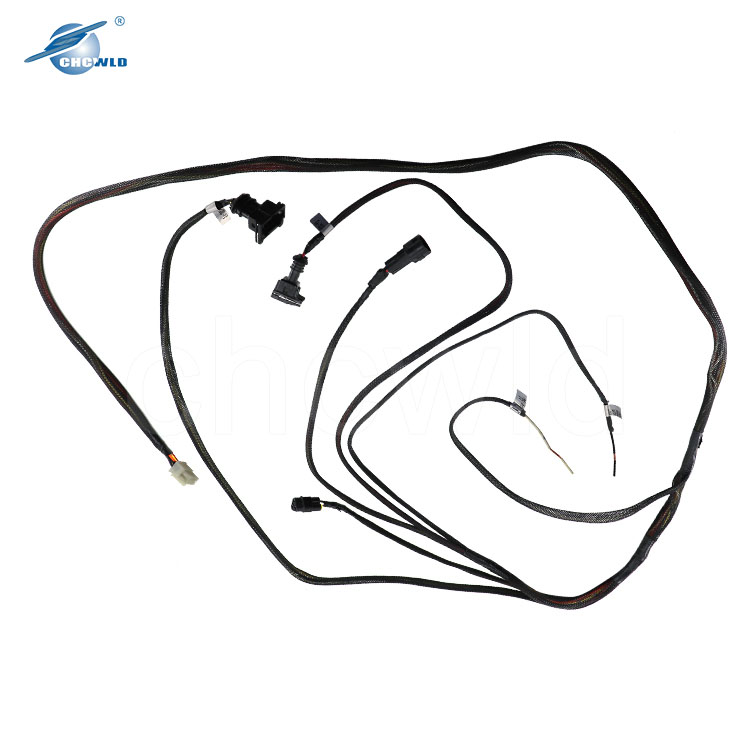
It is important to keep connectors and battery terminals clean. This helps stop electrical problems in farm equipment. Cleaning wire harness connectors keeps connections strong. It also helps prevent corrosion. Try these steps to clean well:
Use baking soda and a wire brush to clean battery terminals.
Put WD-40 on battery terminals every 8 to 10 months.
Clean battery posts often to help them connect better.
Clean corrosion from battery terminals and cables often to stop electrical faults.
Tip: Clean your connectors and battery terminals regularly. This easy step helps your agricultural machinery wiring harness last longer.
Debris and moisture can hurt your wiring harness. They can cause electrical failures in farm equipment. Check electrical interfaces for good sealing and insulation before using your equipment. Replace damaged seals quickly to keep moisture out. Use waterproof coatings on important parts to protect them from dust and water. Raise battery positions in wet fields to keep them dry. Put anti-corrosion paste on battery terminals to stop oxidation. Wrap exposed wiring with waterproof tubes. Seal joints with heat shrink tubes. Wipe moisture off electrical parts every day. Check for dampness often. Store batteries in a dry place. Recharge them every month to stop sulfation.
Things like dew, rain, and chemical sprays can corrode terminals. This can cause short circuits. It can lower how well your agricultural machinery wiring harness works. Keeping everything dry and clean stops dust from building up. It also lowers the risk of oxidation. Moisture can cause wires, terminals, and connectors to corrode. This makes electrical resistance go up. It can make the wiring harness fail.
Corrosion and buildup can block electricity. This causes problems in farm equipment. Check connectors and wiring harnesses often for wear or buildup. Use these ways to remove corrosion and keep your equipment working:
Method | Description |
|---|---|
Use electrical cleaners | Use cleaners made for electrical parts to avoid damage. |
Keep contacts dry | Make sure all contacts are dry and straight for good connections. |
Use contact cleaner | Put contact cleaner or isopropyl alcohol on connectors, not water or oil. |
Soft brush | Use a soft brush to gently clean grime without scraping pins. |
Inspect connections | Check for wear and make sure connectors fit right to stop failures. |
StrikeHold® is an anti-corrosion protectant. It works as a lubricant and cleaner. It makes a protective film that shields equipment from moisture and corrosion. It even works against saltwater. This product helps waterproof and dry wet electrical parts. It helps electrical performance get better.
Dielectric grease and heat shrink tubing help stop corrosion. They make your agricultural machinery wiring harness last longer. You can use dielectric grease on plug connections of trucks, trailers, and tractors. This stops water from getting in. It works well in crimp connectors. You should put heat shrink tubing over the top for extra protection.
Dielectric grease protects electrical connections for a long time. It acts as a barrier to corrosion on electrical circuits. Its protection lets equipment work for years, even in tough places with salt-based solutions.
You can pick SG-ONE™, a dielectric silicone grease. It comes in light or heavy consistency. The light type acts as a release agent and moisture barrier. The heavy type is a moisture sealant for electrical and mechanical equipment. Both types resist moisture and last a long time.
Tip: Use dielectric grease and heat shrink tubing when you care for wire harnesses. This stops corrosion and helps your equipment work well.
Keep wiring harnesses away from sharp edges and hot spots. Do not let harnesses touch moving parts. Safe placement helps stop terminals from bending or moving. If harnesses are in the wrong spot, terminals may not connect right. This can cause shorts or make things stop working. Use cable ties and clips to hold harnesses steady. Make sure wires do not rub on metal. Keeping harnesses away from danger helps protect your equipment.
Tip: Check where harnesses are before you start your machine. Good placement helps prevent wiring problems.
Protective sleeving and conduit help keep wiring harnesses safe. You can pick from different types:
Tubular cable sleeves: These sleeves protect cables and stop them from getting scratched. They also help keep cables neat.
DuoTubular cable sleeves: These sleeves have two spaces for cables. They keep wires safe in tough places.
Protective conduits or flexible tubing: These protect harnesses from damage and lower shaking.
Looms or conduits: These keep wires together and shield them from water, chemicals, and sunlight.
Using covers stops cables from getting tangled. It makes it easier to route cables and helps your equipment work well.
Store wiring harnesses in a dry, clean spot. Do not put them near water, chemicals, or sunlight. Hang harnesses on hooks or put them in bins. This stops them from getting bent or squished. Label each harness so you know which is which. Storing harnesses the right way helps them last longer.
Note: Do not leave harnesses outside or on the ground. Good storage keeps wires safe and ready to use.
Look at wiring harnesses often. Use a checklist to find problems:
Item to Check | Description |
|---|---|
Worn insulation | Look for worn spots on the insulation. |
Loose connectors | Make sure connectors are tight. |
Damaged protective sleeves | Check for rips or damage on sleeves. |
Physical form of wiring harness | Look for bent or broken parts. |
Damage, cuts, or corrosion | Check for any damage you can see. |
Areas of friction | Watch where wires touch brackets. |
Frays or burns | Look for frayed or burned wires. |
Functionality of lights | Make sure all lights and signals work. |
Checking harnesses often helps you find problems early. This keeps your equipment safe and working well.
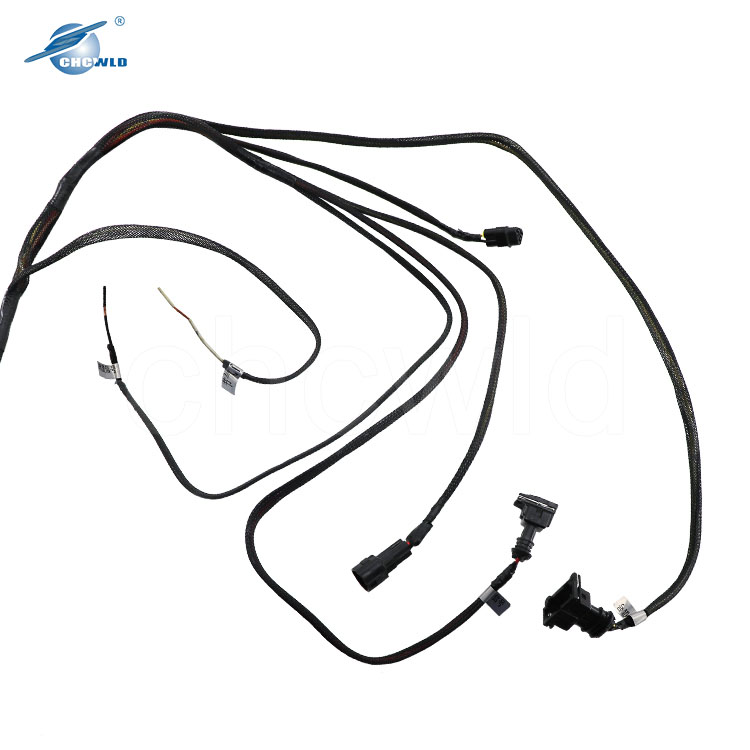
You can find wiring harness problems early if you know what to check. Watch for these warning signs in your equipment:
Electrical problems that come and go or systems that do not work right
Lights that flicker or parts that do not respond
Fuses that blow for no clear reason
Damage you can see, like cracked insulation, wires showing, or corrosion
Smells like burning or signs of things getting too hot
Some common wiring harness problems in farm machines are bad connector contact, poor crimps or solder joints, broken wires, water getting in under high pressure, and oil or grease making things dirty. If you see any of these problems, fix them fast. Finding problems early helps you stop bigger electrical troubles later.
Tip: Check and take care of your wiring harness often. This helps you avoid connection problems and keeps your machines working well.
You can follow easy steps to find and fix wiring problems. Start by looking at the wires. Check for wires that look damaged, loose connectors, or signs of rust. Use your senses—smell for burning, listen for strange sounds, and feel for hot spots.
Next, use the right tools to test your wiring. Here are some tools and what they do:
Feature | Description |
|---|---|
Wiring Diagrams | Show how wires connect inside your machine. |
Fault Code Reader | Helps you find and fix problems quickly. |
Real-time Monitoring | Lets you see electrical problems as they happen. |
Compatibility | Works with many brands and models, so you can use it on most gear. |
Software Updates | Keeps your testing tools up to date and working well. |
You can also check the engine, transmission, and hydraulic systems. Read and clear fault codes. Try commands that test parts and follow guides to fix problems. Interactive wiring diagrams and technical info make the job easier.
Follow these steps to troubleshoot:
Turn off your machine and disconnect the battery.
Look for blown fuses or breakers that have tripped.
Check connectors to make sure they are tight and clean.
Use a fault code reader to scan for errors.
Match what you see with the wiring diagram.
Test wires with a multimeter to see if electricity flows.
Replace or fix any parts that are damaged.
Note: Careful troubleshooting helps your electrical system work its best and cuts down on machine downtime.
When you find a wire that is damaged, fix it right away. Fixing or replacing wires quickly keeps your agricultural machinery wiring harness working well. Here are the best ways to repair wires safely:
Disconnect the battery before you start. This stops short circuits.
Learn how the circuit works so you do not make mistakes.
Use the same size wire to stop power problems.
Take wires out of the harness gently. Do not pull hard or you could break connectors.
Use flexible wire, not solid core, so it can handle shaking.
Check connectors and covers. Replace any that look worn or broken.
Pick the right size connector so it fits well.
Cover fixed wires with heat shrink tubing to keep out dirt and water.
Check and clean wiring connections often. Tight connections stop bad electrical problems and hard-to-find faults. Protect wires to keep modules talking to each other the right way. These steps help you avoid connection problems and keep your equipment safe.
Tip: Fix wires fast and take good care of them. This keeps your wiring harness in great shape and helps your machines last longer.
It is smart to keep good records for each wiring harness. These records show when you check, fix, or change parts. Writing down every service helps you see patterns. You can notice if problems happen again. This helps you fix small issues before they get worse. Records also help you plan when to check fluids or change parts.
Records show all the work you have done.
You can spot problems that keep coming back.
Use this info to do regular checks and stop breakdowns.
Tip: Use a notebook or an app to write down every check and repair. This keeps you organized and ready for inspections before and after the season.
Teach your team how to care for wire harnesses. When everyone knows how to handle and clean wires, mistakes happen less. Show your staff how to find damage and use the right tools. Teach them safety steps. Good training means fewer accidents and better working machines.
You can hold short training before busy times. Use real examples from your own equipment. Remind your team to look for loose wires and worn spots. Tell them to check for corrosion. When your staff learns these steps, your machines last longer.
Plan regular checks for all your machines. Routine inspections help you find problems early. This means less downtime and lower repair costs. Your equipment works better and does not break suddenly.
Benefit/Consequence | Description |
|---|---|
Less downtime | Regular checks find problems before breakdowns happen. |
Lower repair costs | Maintenance stops small issues from becoming big repairs. |
Longer equipment life | Checking and changing parts helps machines last longer. |
Better efficiency | Well-kept machines use less energy and work better. |
Money loss from breakdowns | Equipment failures can cause lost crops and high costs. |
Check your machines before and after each season. This helps you find problems when you change fluids or parts. Making inspections a habit protects your equipment and keeps your wiring harness working well.
You can help your equipment work well by taking care of the wire harness. Clean the connectors often. Look for corrosion and fix any damaged wires fast. Check your equipment regularly to find problems early. Making these steps a habit keeps your machines safe. It also helps you avoid expensive repairs. Start now to stop electrical problems before they get worse. Keep up with maintenance to make your equipment last longer.
You should check your wiring harness every month during the busy season. Look for damage, loose connectors, or signs of wear. Regular checks help you catch problems early.
You need a wire brush, multimeter, electrical tape, and contact cleaner. These tools help you clean, test, and protect your wiring harness.
Flickering lights
Blown fuses
Burning smells
Machines that stop working
If you see these signs, check your wiring harness right away.