
 English


Views: 0 Author: Site Editor Publish Time: 2025-09-26 Origin: Site


In today’s fast-paced automotive industry, safety and reliability remain two of the most critical considerations in vehicle design and manufacturing. Among the many components that contribute to these goals, the wiring harness plays a central role. Often overlooked by end users, wiring harnesses form the nervous system of modern vehicles, enabling seamless electrical communication, efficient power distribution, and enhanced operational safety.
This article explores how wiring harnesses are used in automotive systems, the ways they contribute to safety and reliability, current innovations, and best practices for ensuring long-term performance.
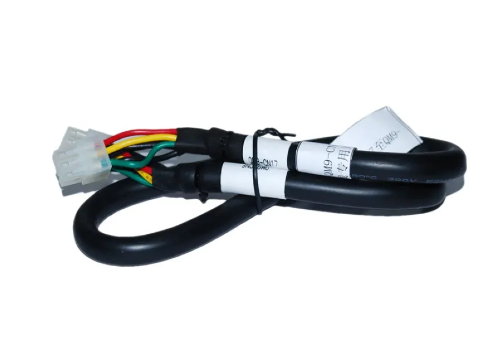
A wiring harness is an organized assembly of cables, connectors, terminals, and protective sheathing that consolidates the complex electrical circuits within a vehicle. Instead of allowing hundreds or even thousands of individual wires to run independently, the harness groups them into a structured bundle. This organization provides several advantages:
Simplification of design – Engineers can create more compact and manageable systems.
Ease of installation – Pre-assembled harnesses allow quicker assembly during vehicle production.
Reduced risk of failure – Bundling reduces wire movement, friction, and wear.
Improved safety – Harnesses are insulated, shielded, and secured, reducing the chance of electrical faults.
In short, the wiring harness is not just a set of wires—it’s the backbone of the vehicle’s electrical system.
Modern vehicles rely heavily on electronics, from basic functions like lighting and ignition to advanced features such as ADAS (Advanced Driver Assistance Systems), infotainment platforms, and sophisticated battery management systems in electric vehicles (EVs). At the heart of all these systems lies the wiring harness, which serves as the critical link that distributes power and enables seamless communication between components.
In the engine and powertrain, wiring harnesses manage fuel injection, ignition timing, and emission controls, ensuring that vehicles meet both performance and regulatory standards. Safety systems depend on them as well, connecting essential features such as airbags, anti-lock braking systems (ABS), and electronic stability programs. Without reliable harness connections, these life-saving technologies could fail at critical moments.
Beyond safety, wiring harnesses also power lighting and signaling systems, from headlights and taillights to turn indicators and interior illumination, which are vital for both driver visibility and road communication. In the cabin, they enable infotainment and comfort features, such as audio systems, navigation, climate control, and smartphone connectivity, enhancing the overall driving experience.
For electric vehicles, harnesses become even more critical, as they must safely handle high-voltage connections for battery packs, inverters, and motors. In all cases, a well-designed and properly maintained wiring harness is indispensable—without it, none of these systems could function reliably.
Safety in automotive systems is not just about airbags and crash protection. Electrical reliability also plays a significant role. Wiring harnesses contribute to safety in several ways:
A stable power supply ensures that critical components such as headlights, brake lights, and electronic stability controls operate without interruption.
High-quality insulation and protective coverings in wiring harnesses prevent short circuits, overheating, and potential fires.
Modern harnesses are designed with secure connectors and terminals that withstand vibrations, temperature fluctuations, and moisture. This ensures that critical safety systems such as ABS or airbags remain functional.
As vehicles adopt ADAS features like collision avoidance and lane departure warnings, wiring harnesses ensure that sensors, cameras, and control modules communicate seamlessly.
By maintaining reliable electrical connections, harnesses directly reduce risks and safeguard both drivers and passengers.
Reliability is as important as safety. A vehicle may be safe at the time of production, but if the wiring harness degrades over time, both performance and safety are compromised.
High-quality copper wires, heat-resistant insulation, and robust connectors ensure durability in harsh automotive environments.
Harnesses are exposed to heat, cold, vibration, and moisture. Protective coverings, corrugated tubes, and specialized coatings extend their service life.
Automotive manufacturers adhere to rigorous standards (such as ISO and SAE) to ensure harnesses meet reliability benchmarks. Pre-installation testing, including electrical resistance and insulation checks, prevents premature failures.
Periodic inspections for wear, corrosion, and loose connections help maintain reliability throughout the vehicle’s lifespan.
The automotive industry is undergoing rapid technological change, and wiring harnesses are evolving in response.
Lightweight materials – To reduce overall vehicle weight and improve fuel efficiency, manufacturers are adopting aluminum wiring and smaller-gauge cables.
High-voltage harnesses – With the rise of EVs and hybrid vehicles, harnesses must handle higher voltages safely.
Data transmission harnesses – Modern harnesses are optimized for high-speed communication between sensors, ECUs, and infotainment systems.
Modular harnesses – These allow easier customization for different vehicle models while maintaining reliability.
Eco-friendly production – Manufacturers are increasingly turning to recyclable materials and energy-efficient processes.
These advancements not only improve performance but also align with global sustainability and efficiency goals.
While wiring harnesses are essential, designing them for modern vehicles poses unique challenges:
Complexity – With increasing electronic features, harnesses may contain kilometers of wiring.
Space constraints – Engineers must fit harnesses into compact vehicle designs without compromising accessibility.
Heat management – Harnesses near engines or high-voltage components require special insulation.
Cost control – Balancing performance, durability, and affordability is critical in mass production.
Overcoming these challenges requires innovation, precision, and collaboration between engineers and suppliers.
To maximize the effectiveness of wiring harnesses in vehicles, manufacturers and operators should follow best practices:
Use high-quality components – Reliable connectors, terminals, and wires reduce long-term risks.
Adopt modular designs – This simplifies installation and reduces potential errors during assembly.
Ensure proper routing – Wires should be routed to avoid sharp edges, moving parts, and excessive heat.
Conduct rigorous testing – Electrical continuity, voltage drop, and durability tests are essential.
Prioritize maintenance – Regular checks for wear and corrosion can prevent failures.
By implementing these practices, automotive companies ensure vehicles remain both safe and dependable.
The future of automotive wiring harnesses will be shaped by trends such as electrification, autonomous driving, and sustainability. Some anticipated developments include:
Integration with smart sensors for real-time monitoring of harness performance.
Increased miniaturization to save space while supporting advanced features.
Wireless alternatives for certain low-power applications, reducing overall wiring complexity.
AI-driven design tools that optimize harness layouts for efficiency and safety.
As cars become more intelligent and connected, wiring harnesses will continue to evolve as the backbone of automotive electronics.
In modern automotive systems, the wiring harness is far more than just a collection of wires—it is a critical enabler of safety, reliability, and technological progress. By ensuring secure electrical connections, protecting against hazards, and supporting advanced features, wiring harnesses make vehicles safer and more dependable for drivers worldwide.
For businesses seeking reliable solutions in this field, Guangzhou City Youye Electronics Co., Ltd. provides expertise in the design and manufacturing of automotive wiring harnesses. Their focus on quality, innovation, and customer needs makes them a valuable partner for companies aiming to enhance vehicle safety and reliability. To learn more about their products and solutions, you may explore their offerings or get in touch directly for further details.