





Contents
Introduction
The automotive wiring harness plays a crucial role in modern vehicles, acting as the nervous system of the car by connecting various electrical components. This often-overlooked component ensures smooth communication between the vehicle's electronic parts, from the engine control unit to the lighting systems and entertainment units. Without a reliable wiring harness, the vehicle's electrical systems would fail to function, resulting in potential breakdowns or safety risks.
In this article, we will dive into the intricacies of what an automotive wiring harness is, its components, its importance, and how to choose the right one. Whether you're designing a new car or looking to replace or upgrade an existing harness, this guide will provide you with essential insights into high-quality automotive wiring harness systems.
What Is an Automotive Wiring Harness?
An automotive wiring harness is a system of electrical cables and connectors used to transmit signals, power, and data between different electrical components in a vehicle. The harness includes bundled wires, connectors, terminals, and protective covers, all designed to ensure safe and efficient operation of the vehicle's electrical system. The automotive wiring harness essentially serves as the foundation for a vehicle's electrical communication network, allowing everything from power windows to advanced driver-assistance systems to function seamlessly.
A typical automotive wiring harness can span various parts of a vehicle, including the engine bay, the cabin, and the trunk. Depending on the vehicle's complexity, the wiring harness may consist of several smaller harnesses linked together to manage different electrical systems such as lighting, powertrain, or climate control.
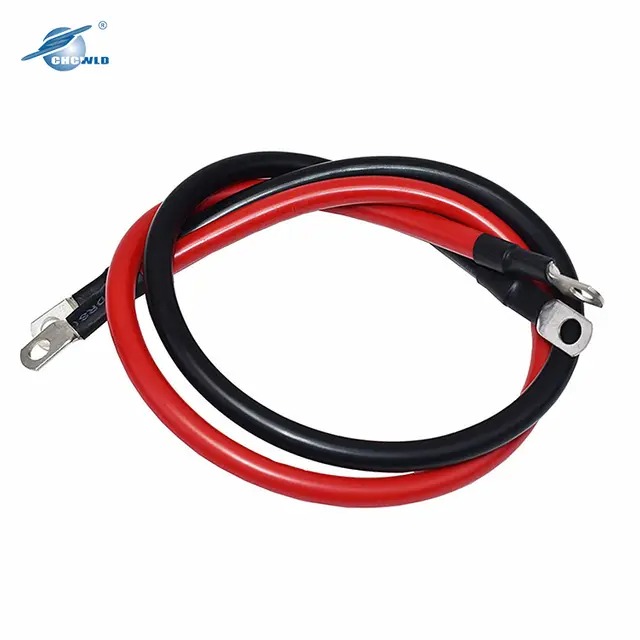
The Importance of Automotive Wiring Harnesses
The significance of an automotive wiring harness cannot be overstated. It ensures that all electrical components work together harmoniously, from the ignition system to the brake lights. Let's explore the key reasons why these harnesses are essential:
Safety: A well-designed wiring harness ensures the safety of the vehicle’s electrical systems. Proper insulation and quality materials help prevent short circuits, electrical fires, or malfunctions that could lead to accidents.
Efficiency: By reducing the number of individual wires needed to connect components, the wiring harness simplifies the installation and maintenance process, which ultimately reduces costs.
Reliability: Durable automotive wiring harnesses are built to withstand extreme conditions, such as high temperatures, vibration, and moisture. This ensures long-lasting, reliable performance.
Compactness: The wiring harness bundles multiple wires into a single compact unit, reducing clutter and making it easier to install and service electrical components.
In essence, the automotive wiring harness acts as the backbone of the electrical systems, ensuring that your vehicle operates smoothly and efficiently.
Key Components of an Automotive Wiring Harness
A comprehensive automotive wiring harness comprises several components, each serving a specific function. Below are the core elements that make up a wiring harness:
Wires: These are the primary carriers of electrical current. They are typically made from copper due to its excellent conductivity, although aluminum is also used in certain applications.
Connectors: These allow the wires to be attached to various electrical components in the vehicle. Connectors come in various sizes and configurations, depending on the specific needs of the system.
Terminals: These are the metal pieces that form the electrical connection within the connectors. They help ensure a secure, stable connection between the wire and the component.
Insulation: Each wire in the harness is insulated to protect against short circuits and to prevent heat damage. The insulation material can vary depending on the vehicle's requirements, with options like PVC, rubber, or Teflon.
Protective Sleeves: To protect the wires from abrasion, heat, and chemicals, the entire harness is often covered in a durable protective sleeve, which can be made from materials like nylon or PVC.
Relays and Fuses: These components help regulate the electrical flow and protect the system from overcurrent, ensuring the vehicle’s electrical systems remain stable.
A well-designed wiring harness will integrate these components in a manner that minimizes the risk of electrical failure while maximizing efficiency.
Types of Automotive Wiring Harnesses
Automotive wiring harnesses are not one-size-fits-all. Different types of wiring harnesses are used for different vehicle systems, and the specifications of each harness can vary significantly. The major types include:
Engine Wiring Harness: This type of harness connects the engine control unit (ECU) to the engine sensors, actuators, and other engine-related systems. It is designed to handle high temperatures and vibration from the engine.
Body Wiring Harness: The body harness connects electrical components within the vehicle's cabin, including the dashboard, lighting systems, and air conditioning.
Chassis Wiring Harness: This harness manages the electrical components located in the chassis, including brake systems, suspension controls, and lighting.
Powertrain Wiring Harness: This harness connects the powertrain components, such as the transmission and drivetrain, ensuring that the engine's power is efficiently transmitted to the wheels.
Lighting Wiring Harness: A automotive wiring harness for lighting systems specifically manages the power and control signals for headlights, tail lights, fog lights, and interior lighting.
Custom Wiring Harnesses: For specialized needs, such as vehicles with custom modifications, working with a custom automotive wiring harness manufacturer can ensure that the harness is tailored to the specific electrical configuration required.
The Role of Automotive Wiring Harness in Electric Vehicles
As the automotive industry continues to transition toward electric vehicles (EVs), the automotive wiring harness for electric vehicles plays an even more pivotal role. EVs rely on sophisticated electrical systems for battery management, motor control, charging systems, and more. A reliable and efficient wiring harness ensures the smooth functioning of these critical components.
Electric vehicles require specialized wiring harnesses that can handle higher voltages and integrate with battery management systems. These harnesses must also be lightweight to reduce overall vehicle weight and increase energy efficiency. The design of an automotive wiring harness for electric vehicles requires careful consideration of these factors to ensure the system’s reliability and safety.
Choosing the Right Automotive Wiring Harness: Key Considerations
Selecting the right automotive wiring harness involves a number of important considerations. Here are some key factors to keep in mind:
Quality and Durability: A durable automotive wiring harness is essential to ensure that your vehicle's electrical systems are reliable over time. Look for materials that can withstand temperature extremes, vibrations, and exposure to moisture.
Compatibility: Make sure the harness is compatible with your vehicle's electrical system. This includes considering factors like wire gauge, insulation type, and connector configuration.
Manufacturing Expertise: When sourcing a harness, it's important to work with a professional automotive wiring harness supplier or manufacturer who can provide high-quality products that meet your specific needs.
Customization: If your vehicle has unique electrical requirements, a custom automotive wiring harness manufacturer can create a bespoke solution tailored to your specifications.
Choosing the right wiring harness ensures optimal vehicle performance and reduces the risk of electrical failures.
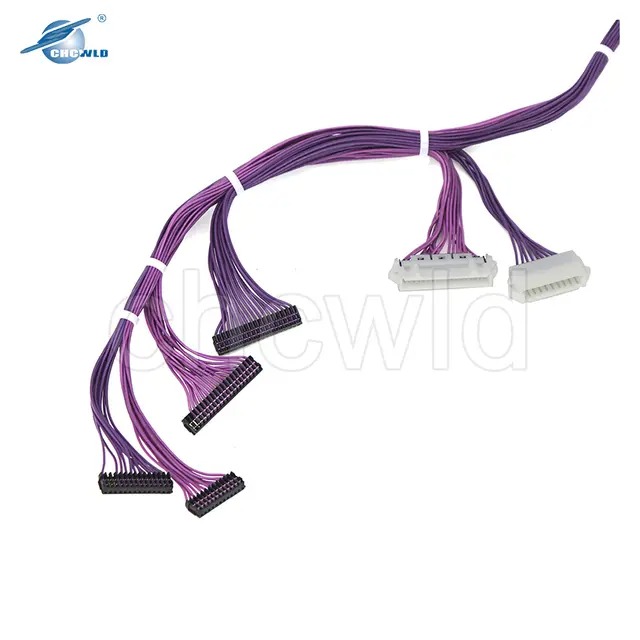
Advantages of a High-Quality Automotive Wiring Harness
Investing in a high-quality automotive wiring harness offers several distinct advantages:
Reliability: High-quality harnesses are built to last, reducing the need for frequent replacements and minimizing the risk of failures.
Safety: A well-made harness ensures safe transmission of power and signals, preventing dangerous short circuits or electrical fires.
Performance: A quality harness ensures that your vehicle’s electrical systems operate efficiently, contributing to overall vehicle performance and fuel efficiency.
Ease of Installation: High-quality harnesses are easier to install, thanks to their well-organized structure and clear labeling.
Conclusion
The automotive wiring harness is an essential component of every modern vehicle. It connects various electrical systems, ensuring the smooth operation of everything from lighting systems to advanced electronic controls. By understanding what makes a high-quality wiring harness, and considering the importance of durability, compatibility, and safety, you can make informed decisions about the wiring needs for your vehicle.
Whether you're working with traditional combustion engine vehicles or the latest electric vehicle technologies, the right automotive wiring harness can make all the difference in terms of safety, performance, and reliability.
FAQ
1. How long does an automotive wiring harness last?
An automotive wiring harness typically lasts for the lifetime of the vehicle, provided it's maintained properly and not exposed to extreme conditions that could damage it. High-quality materials and proper installation are key to longevity.
2. Can a custom automotive wiring harness be designed for a specific vehicle model?
Yes, working with a custom automotive wiring harness manufacturer can ensure that the harness is designed to meet the specific electrical needs of your vehicle model, especially for vehicles with unique configurations or aftermarket modifications.
3. What is the difference between a wiring harness for electric vehicles and traditional vehicles?
The primary difference lies in the higher voltage levels and the integration of battery management systems in electric vehicles. An automotive wiring harness for electric vehicles must be designed to handle these unique requirements, whereas traditional vehicles use wiring harnesses for less complex systems.
4. Why is the choice of materials important for an automotive wiring harness?
The materials used in an automotive wiring harness must be durable and able to withstand temperature fluctuations, vibrations, and moisture. The right materials ensure safe and reliable electrical transmission and prevent premature failure.