
 English


Views: 0 Author: Site Editor Publish Time: 2026-01-20 Origin: Site


Have you ever wondered how a vehicle wiring harness connects everything in your car? This unassuming yet vital component ensures that your vehicle’s electrical systems work together seamlessly.
In this article, we’ll explain what a vehicle wiring harness is, how it functions, and why it’s crucial for your car’s performance and safety. By the end, you’ll gain a clear understanding of the role it plays and why it’s important to maintain this essential part of your vehicle.
A vehicle wiring harness is essentially a bundle of wires, connectors, and electrical components that transmit power and signals across various car systems. It consolidates the wiring for systems such as the engine, dashboard, lighting, sensors, and safety features. Each wire in the harness serves a specific function, and the harness itself ensures that all of the vehicle’s electrical systems are interconnected efficiently.
The primary purpose of the wiring harness is to ensure that electrical current is delivered to the correct areas and that the various components in the car can communicate. Without the wiring harness, your car’s electrical systems wouldn’t function properly, leading to malfunctioning lights, failed sensors, and even engine failure.
The vehicle wiring harness is often an overlooked part of vehicle maintenance, but it is essential for the safe and efficient operation of the car. It ensures that all components of the car that require electricity are supplied with the right amount of power. Additionally, it protects the wiring from physical damage and environmental factors that could cause the wires to short circuit or degrade over time.
A faulty wiring harness can lead to a range of issues, from minor problems like flickering lights to more serious issues like engine malfunctions or complete electrical failure. In some cases, damaged wiring can also pose a fire risk, highlighting the importance of having a well-maintained wiring harness.
A vehicle wiring harness works by providing a structured and organized path for electrical signals and power. It ensures that the flow of electricity is controlled and directed to various vehicle components. The wiring harness is typically protected by sheathing that guards it from heat, moisture, and physical wear and tear, which helps maintain the integrity of the system over time.
In modern vehicles, the wiring harness is designed to handle increasing electrical demands, especially as vehicles become more dependent on advanced technologies such as infotainment systems, electric power steering, and autonomous driving sensors.
Tip: When working with a vehicle wiring harness, always make sure to inspect it regularly for wear, corrosion, or visible damage, as these issues can lead to costly repairs.
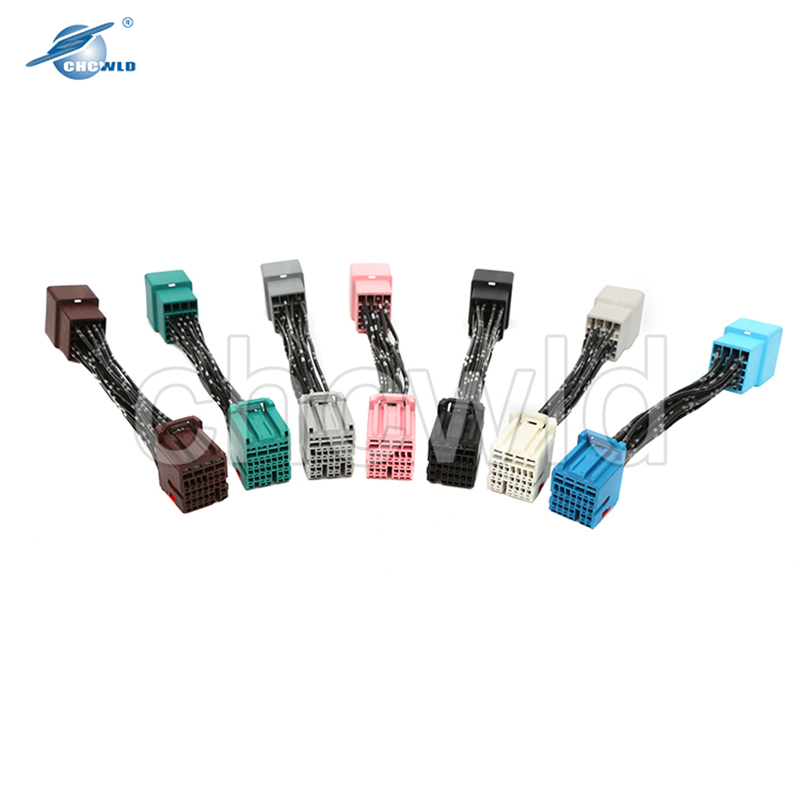
The most fundamental components of a vehicle wiring harness are the wires and cables that conduct electricity and transmit signals. These wires are usually made from copper due to its excellent conductivity. Each wire has a specific function, such as powering the lights, controlling sensors, or providing current to the vehicle’s air conditioning system. The thickness and material of each wire depend on the amount of power it needs to transmit.
Wires in the harness are color-coded and often marked to indicate their specific purpose, ensuring they can be easily identified during installation or repairs. These wires are grouped and organized to prevent them from tangling or becoming damaged.
Connectors are another vital component of the vehicle wiring harness. These connectors link various electrical systems and allow for seamless communication between different parts of the vehicle. Terminals are used to join wires to connectors, ensuring a secure and stable electrical connection.
Connectors and terminals are designed to be durable and resist corrosion, as exposure to moisture, heat, and other environmental factors can cause them to degrade. In modern vehicles, connectors may also have built-in features like locking mechanisms to prevent accidental disconnections during operation.
Table 1: Key Components of a Vehicle Wiring Harness
Component | Description |
Wires and Cables | Conduct electricity and transmit signals between systems. |
Connectors and Terminals | Provide secure connections between the wiring systems. |
Protective Sleeving | Shields wiring from external damage and environmental factors. |
Protective sleeving and sheathing are used to shield the wiring from external elements such as heat, moisture, and abrasion. Without adequate protection, the wires could easily become damaged, leading to electrical faults or even fires. The sheathing is typically made from materials like heat-shrink tubing or braided nylon, offering high resistance to heat and mechanical stress.
In addition to providing physical protection, the sheathing also helps keep the wires organized and prevents them from rubbing against other components in the vehicle. This reduces the risk of wear and tear, which can cause short circuits or signal loss.
One of the primary functions of the vehicle wiring harness is to distribute electrical power to the vehicle’s various components. This includes everything from the engine control unit (ECU) to the headlights and air conditioning system. The wiring harness ensures that each system receives the appropriate amount of power, which is crucial for the vehicle’s proper operation.
In addition to power distribution, the wiring harness also carries signals between systems. For example, sensors in the engine send signals to the ECU, which adjusts the engine’s performance based on real-time data.
Another important function of the wiring harness is organizing and optimizing space in the vehicle. Modern cars have hundreds of electrical components, and the wiring harness consolidates all of these components into a manageable bundle. This reduces clutter and prevents wires from tangling, making it easier for manufacturers to install the wiring and for technicians to perform repairs.
A well-organized wiring harness also ensures that the vehicle’s electrical system is as efficient as possible. By reducing unnecessary wires and connections, manufacturers can save space and reduce the overall weight of the vehicle, improving fuel efficiency.
Tip: If you notice your vehicle's electrical components malfunctioning, the wiring harness may be the culprit. It’s essential to regularly inspect your wiring harness and replace it if necessary.
The wiring harness also plays a critical role in ensuring the safety and durability of the vehicle’s electrical system. By bundling wires together and protecting them with sheathing, the wiring harness prevents potential hazards like shorts, fires, or electric shocks. In addition, the wiring harness helps minimize the chances of electrical components malfunctioning due to damaged wires.
In high-performance vehicles, durability is especially important. The wiring harness must be able to withstand extreme temperatures, vibrations, and other environmental factors. Manufacturers use high-quality materials to ensure that the harness lasts for the lifespan of the vehicle.
The design process for a vehicle wiring harness is complex and requires detailed planning. Engineers use computer-aided design (CAD) software to create 2D and 3D models of the wiring system. These models help ensure that the harness fits perfectly within the vehicle and meets all safety and performance requirements.
During the design phase, engineers must consider various factors, including the vehicle’s electrical requirements, available space, and the environmental conditions the harness will be exposed to. Once the design is finalized, it is tested to ensure that the harness can withstand the stresses of daily use.
Once the design is complete, the manufacturing process begins. This typically involves cutting wires to the appropriate lengths, assembling the wires into bundles, and attaching connectors. The wiring harness is then tested to ensure that it meets industry standards for performance and safety.
In some cases, additional components such as fuses or relays are incorporated into the wiring harness to improve its functionality and safety. These components are carefully chosen based on the specific needs of the vehicle’s electrical system.
Table 2: Vehicle Wiring Harness Creation Process
Step | Description |
Design | Engineers create 2D and 3D models of the harness using CAD tools. |
Manufacturing | Wires are cut, bundled, and connected to the appropriate terminals. |
Testing | The harness is tested for functionality, safety, and durability. |
Wiring harnesses are made from high-quality materials designed to withstand the harsh conditions of automotive environments. Wires are typically made from copper, as it has excellent electrical conductivity. Insulation materials, such as PVC, Teflon, or rubber, are used to protect the wires from damage caused by heat, moisture, and physical wear.
The connectors and terminals are made from materials like steel or aluminum, which are durable and corrosion-resistant. The protective sleeving is usually made from nylon, which offers excellent resistance to abrasion and UV radiation.
As vehicles become more advanced, wiring harnesses are becoming increasingly complex. Modern vehicles are equipped with numerous electrical components that need to be connected through the wiring harness. These components include sensors, cameras, electronic control units, infotainment systems, and more. The challenge for engineers is to design a wiring harness that can handle the increasing electrical demands of these advanced systems while remaining efficient and compact.
The wiring harness must be designed to withstand extreme temperatures, moisture, and physical stress. In addition, it must be able to handle vibrations and the wear and tear that come with daily driving. Ensuring that the harness remains functional and safe throughout the lifespan of the vehicle is a significant challenge for manufacturers.
Tip: If you are dealing with an older vehicle, consider replacing or inspecting the wiring harness, as older harnesses may degrade over time and fail to meet modern electrical system requirements.
Design errors or inconsistencies during the manufacturing process can lead to delays and potential issues with the wiring harness. For instance, improperly bundled wires or mismatched connectors can lead to faulty connections or short circuits. Ensuring that each wiring harness is designed and built to specification is critical to preventing costly mistakes.
A well-designed vehicle wiring harness reduces clutter and optimizes space in the vehicle’s electrical system. By consolidating multiple wires into a single bundle, the harness makes the installation process more straightforward. This not only reduces installation time but also ensures that wires are organized and easy to trace during repairs.
The primary benefit of a quality wiring harness is its ability to enhance durability and safety. A robust and well-protected wiring harness can withstand extreme temperatures, vibrations, and environmental factors. This reduces the likelihood of electrical failures, preventing expensive repairs and ensuring that the vehicle’s electrical systems work efficiently over time.
Though a high-quality wiring harness may be more expensive initially, it saves money in the long run by reducing the frequency of repairs and replacements. A durable wiring harness improves the overall lifespan of the vehicle and ensures that electrical components continue to function properly, reducing downtime and maintenance costs.
In this article, we’ve explored the crucial role of a vehicle wiring harness in ensuring the proper functioning of your car's electrical systems. We discussed the various components that make up the harness and how they work together to power and communicate with different parts of the vehicle. Understanding how the wiring harness operates can help you maintain your car more effectively and prevent costly repairs.
Guangzhou City Youye Electronics Co., Ltd. provides high-quality vehicle wiring harnesses designed to meet the needs of modern vehicles. Their products are built for durability and efficiency, ensuring reliable electrical connections that support vehicle performance and safety.
A: A vehicle wiring harness is a network of wires, connectors, and electrical components that distribute power and data signals across various parts of a vehicle. It ensures that all electrical systems work together efficiently.
A: The vehicle wiring harness is critical for transmitting power and signals to various components in the car, such as lights, engine control units, and sensors. Without it, these systems wouldn’t function properly.
A: Replacing a vehicle wiring harness can cost between $300 and $10,000, depending on the type of harness and the vehicle’s make and model. Labor costs can also increase the overall price.
A: Signs of a damaged vehicle wiring harness include malfunctioning electrical components, flickering lights, or unresponsive sensors. A professional mechanic can diagnose the issue and recommend whether to repair or replace the harness.
A: In some cases, a vehicle wiring harness can be repaired, especially if the damage is isolated to a small section. Splicing or re-connecting wires can be a cost-effective alternative to a full replacement.