
 English


Views: 0 Author: Site Editor Publish Time: 2025-09-26 Origin: Site


As cities around the world continue to grow at an unprecedented pace, urban mobility faces new challenges that require reliable, efficient, and technologically advanced solutions. Public transport systems—whether buses, trams, subways, or electric shuttle fleets—form the backbone of daily commuting for millions. At the heart of these systems lies a component that often goes unnoticed, yet is absolutely vital: the wiring harness.
Wiring harnesses are the circulatory system of public transport vehicles, connecting critical electronic components, ensuring reliable communication between subsystems, and powering essential functions. Without them, the seamless operation of public transport fleets in modern cities would be virtually impossible.
This article explores the role of public transport wiring harnesses, their importance in modern mobility, the technologies that make them reliable, and the future trends shaping their development.
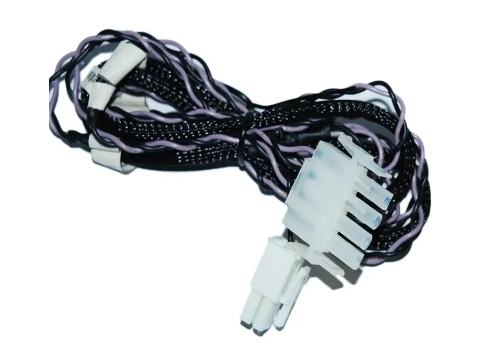
A wiring harness is an organized bundle of wires, terminals, and connectors that transmit electrical signals and power throughout a vehicle. In public transport, wiring harnesses integrate dozens—if not hundreds—of subsystems, from lighting and HVAC controls to engine management and passenger information systems.
Instead of loose, scattered wiring, a harness consolidates cables into a structured design, reducing space usage, improving safety, and simplifying maintenance. In the high-demand environment of urban mobility, this organization is essential for consistent vehicle performance and passenger safety.
Safety is paramount in public transport. Wiring harnesses provide the structured and shielded pathways necessary to minimize electrical shorts, overheating, or malfunctions. High-quality harnesses are designed to withstand constant vibration, temperature fluctuations, and moisture—conditions common in buses and trains.
Modern public transport is increasingly dependent on electronic and digital systems. From GPS tracking and automated ticketing to advanced driver-assistance systems (ADAS), all rely on secure wiring harnesses. These harnesses not only provide power but also enable real-time communication between components.
Urban fleets operate under strict schedules, where downtime must be minimized. Harnesses simplify troubleshooting because they follow predictable layouts. Technicians can quickly locate, test, and replace faulty connections, reducing repair time and keeping vehicles on the road.
From LED lighting and climate control to infotainment and Wi-Fi systems, passengers expect comfort and convenience. Wiring harnesses support these amenities, ensuring a reliable and consistent onboard experience.
Wiring harnesses distribute electrical power from the main source (engine or battery) to various systems across the vehicle. This controlled distribution reduces risks of overload and ensures balanced energy use.
Critical systems such as braking, door control, and driver dashboards rely on accurate signal transmission. Harnesses maintain these connections, ensuring immediate responsiveness and communication.
Harnesses are engineered to reduce electromagnetic interference (EMI), which can disrupt sensitive electronics. Shielded cables protect communication lines, which is especially important in vehicles packed with digital devices.
By bundling and routing wires efficiently, harnesses minimize clutter and reduce overall vehicle weight. This contributes to energy efficiency, an essential factor in electric and hybrid public transport vehicles.
Urban buses rely heavily on wiring harnesses for lighting, engine control, air conditioning, fare collection, and passenger information systems. Electric buses, in particular, demand highly specialized harnesses to manage battery systems, regenerative braking, and charging interfaces.
Rail systems require large-scale harnesses capable of withstanding extreme vibration and weather exposure. They connect traction systems, communication networks, and safety features like emergency brakes and door sensors.
Operating underground poses challenges such as high humidity and limited ventilation. Wiring harnesses in subways must resist corrosion and function reliably in confined spaces.
As cities invest in green transport, ferries and shuttles powered by electricity or hybrid systems depend on harnesses for propulsion, navigation, and passenger services. These harnesses often include waterproofing and fire-resistant insulation.
Efficient wiring harnesses directly impact the reliability and sustainability of public transport. A well-designed harness system reduces energy loss, optimizes communication, and minimizes downtime caused by electrical faults. For cities aiming to encourage public transport adoption, reliability is a key factor—making harnesses an indirect driver of urban mobility success.
Moreover, with the rise of electric vehicles (EVs) in public transport fleets, harnesses play an even more critical role. They must handle high-voltage systems safely while maintaining flexibility and durability.
The demand for smarter, lighter, and more durable wiring harnesses has led to significant innovation:
Lightweight Materials: Aluminum and other lightweight alloys are increasingly used to reduce overall vehicle weight and improve fuel efficiency.
High-Voltage Capabilities: As electric buses and trains expand, harnesses must safely handle voltages up to 1000V or more.
Modular Designs: Modular harnesses simplify upgrades and replacements, crucial in fleets where technology evolves rapidly.
Smart Diagnostics: Some modern harnesses integrate sensors that detect faults, monitor performance, and alert operators before failures occur.
Eco-Friendly Materials: With sustainability in focus, harness manufacturers are adopting recyclable insulation materials and environmentally friendly coatings.
As cities evolve into smart ecosystems, public transport wiring harnesses will play a central role in integrating vehicles with broader infrastructure. Potential future developments include:
IoT Integration: Harnesses will connect sensors that communicate directly with traffic management systems, enabling smoother traffic flow.
Autonomous Public Transport: Self-driving buses and trains will rely on advanced wiring harnesses to manage sensors, cameras, and AI processors.
Energy Management: Smart harnesses could optimize energy use across fleets, balancing loads between propulsion, climate control, and digital services.
Sustainability Goals: Future harnesses may be fully recyclable, supporting the circular economy goals of modern cities.
While their role is indispensable, designing wiring harnesses for public transport comes with unique challenges:
Durability vs. Flexibility: Harnesses must bend and flex with vehicle movement while resisting wear and tear.
Space Constraints: Vehicles have limited space, making routing complex.
High Voltage Safety: Electric public transport increases risks of overheating and short circuits if harnesses are not designed properly.
Cost Efficiency: Harnesses must deliver performance while keeping overall production and maintenance costs manageable.
Meeting these challenges requires collaboration between vehicle manufacturers, harness suppliers, and city planners.
Wiring harnesses may not be the most visible components of public transport vehicles, but they are among the most critical. They ensure safety, enable advanced technologies, and keep urban mobility systems efficient and reliable. As cities worldwide push toward electrification, automation, and smarter infrastructure, the importance of robust wiring harnesses will only continue to grow.
For public transport operators and vehicle manufacturers seeking dependable wiring harness solutions, it is essential to partner with experienced suppliers who understand the unique demands of urban mobility. Guangzhou City Youye Electronics Co., Ltd. is one such company, offering expertise in high-quality wiring harnesses designed for the complexities of modern transport systems. To explore more about their solutions and how they can support your projects, we recommend visiting their official platform.