
 English


Views: 0 Author: Site Editor Publish Time: 2026-01-20 Origin: Site


Electric buses are revolutionizing urban transport. But behind this technological shift lies an essential component: the public transport wiring harness. Without it, the smooth operation of these buses would be impossible.
In this article, we’ll explore the crucial role public transport wiring harnesses play in electric bus systems. You’ll discover how they help with power distribution, data communication, and safety. By the end, you’ll have a better understanding of why these wiring harnesses are essential to the future of green transportation.
A public transport wiring harness is an organized assembly of electrical wires, cables, connectors, and protective coverings that distribute electrical power and data between various components of an electric bus. These harnesses are designed to handle complex electrical systems, ensuring reliable connectivity between the bus's battery, motor, sensors, control units, and other essential components.
This sophisticated system of bundled wires serves as the backbone of the electric bus's electrical architecture. It ensures all components function harmoniously, from power transmission to data communication.
The public transport wiring harness plays several vital roles in an electric bus, including:
● Power Distribution: Efficiently channels electrical power from the battery to essential systems such as the electric motor, charging stations, and air conditioning units.
● Data Communication: Facilitates communication between various electronic components, allowing for real-time monitoring and control of critical functions like braking, steering, and acceleration.
● System Integration: Links all the bus’s electronic systems—lighting, air conditioning, infotainment, and safety features—into a seamless operation that enhances passenger experience and operational efficiency.
Component | Function Description | Main Materials |
High-voltage Cables | Transmit high-voltage power to motors and other systems | High-temperature, pressure-resistant insulation |
Connectors & Terminals | Maintain reliable electrical connections under vibrations | Stainless steel, copper, waterproof sealing materials |
Shielding & Insulation Materials | Prevent electromagnetic interference and protect electrical components | High-strength plastic, thermoplastic rubber materials |
Electric buses operate on high-voltage systems, often exceeding 300 volts. This requires specialized public transport wiring harnesses capable of managing significant power flows without risking damage or creating safety hazards. These harnesses must not only carry power but also protect the system against short circuits and overheating, ensuring the bus operates safely under high electrical loads.
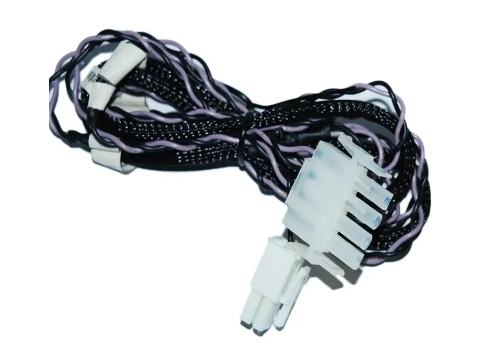
One of the most crucial roles of the public transport wiring harness is to distribute power across various systems of the electric bus. By efficiently channeling high-voltage power from the battery to the motor and other systems, the harness directly impacts the bus's energy efficiency. Effective wiring ensures that power losses are minimized, which in turn improves fuel efficiency and reduces operating costs.
For example, using thicker wires for high-power components and carefully optimizing the routing of power cables can lead to more efficient energy use, helping to extend the bus's range per charge.
Modern electric buses rely heavily on data to ensure optimal performance and safety. The public transport wiring harness connects sensors, control units, and other data-generating components, enabling real-time data transfer. This allows operators to monitor performance, detect faults, and implement corrective measures immediately.
For instance, the communication between the Battery Management System (BMS) and motor controllers ensures that the battery is charged and discharged appropriately, preventing overcharging and extending its lifespan.
Ensuring safety is paramount in electric buses, and the public transport wiring harness plays a critical role in this regard. The wiring harness is often designed with high-quality insulation materials, such as flame-retardant coatings, and protective components like fuses and circuit breakers. These elements help prevent hazards such as short circuits, fires, and thermal overloads, making the harness an essential safety feature.
The durability of the harness is also a key factor in its ability to withstand the vibrations, moisture, and extreme temperatures that buses are often exposed to, particularly in demanding transit environments.
Electric buses often operate in environments where exposure to extreme temperatures, moisture, and vibrations is common. A well-designed public transport wiring harness must be built to endure these conditions. Robust insulation and protective sheaths are necessary to prevent wear and tear that can result from external factors, such as road vibrations or exposure to humidity.
Using advanced materials like thermoplastics and elastomers, which offer improved resistance to chemicals and high temperatures, can enhance the overall durability of the wiring harness, ensuring it remains functional for years.
Electric buses must prioritize energy efficiency, and this extends to the public transport wiring harness. Space and weight optimization are essential for ensuring that the bus can carry maximum payloads without sacrificing performance. A well-designed wiring harness is compact, reducing clutter and allowing for better integration of components in limited spaces.
This efficiency not only improves the vehicle’s energy performance but also makes the installation process easier and faster, which is critical for mass production.
With advancements in materials science, public transport wiring harnesses have become more durable, lighter, and heat-resistant. Manufacturers are using advanced polymers, composite materials, and multi-layer insulation to enhance the lifespan and functionality of these components. These innovations enable buses to withstand more demanding conditions, such as high electrical loads and fluctuating temperatures, ensuring that they continue to perform reliably over time.
Tip: When designing electric buses, focus on selecting materials that balance weight reduction and durability to maximize both energy efficiency and long-term performance.
Heat management is one of the biggest challenges in designing wiring systems for electric buses. The high voltage and power flow in the bus's electrical systems can generate significant heat, which, if not managed properly, can damage components or even cause fires.
The public transport wiring harness must include heat-resistant materials, along with proper ventilation or heat dissipation features like heat sinks. These elements ensure that the wiring system maintains optimal operating temperatures, preventing overheating and ensuring the bus runs safely and efficiently.
In addition to basic heat resistance, some public transport wiring harnesses incorporate advanced cooling systems, such as air or liquid cooling channels, to further regulate temperature. These systems help to manage the thermal loads of high-performance components like the electric motor and battery, ensuring that the vehicle operates within safe temperature ranges even under heavy loads.
Tip: Integrating advanced cooling systems into your bus's wiring design can significantly extend the life of high-voltage components and improve overall system efficiency.
Electric buses are an essential part of the global movement toward reducing carbon emissions. By replacing traditional diesel buses with electric alternatives, cities can cut down on harmful pollutants and contribute to cleaner air. The public transport wiring harness plays an indirect but crucial role in this effort by enabling more energy-efficient power distribution and reducing the overall energy consumption of the bus.
Electric buses are significantly more energy-efficient than their diesel counterparts, and their zero-emissions operation makes them a vital tool for fighting climate change.
As the demand for sustainable transport grows, so too does the need for eco-friendly materials in electric bus components. The use of recyclable, non-toxic, and biodegradable materials in public transport wiring harnesses helps reduce the environmental impact of the manufacturing process. Additionally, advancements in biodegradable insulating materials and recyclable components are further supporting the green credentials of electric buses.
Tip: When selecting materials for electric bus components, prioritize those that offer both environmental sustainability and high performance to future-proof your bus designs.
Material | Feature Description | Environmental Benefits |
Recyclable Thermoplastic | High temperature resistance and flexibility | Reduces waste and supports eco-friendly manufacturing |
Biodegradable Insulation | Excellent electrical insulation properties | Low environmental impact and natural decomposition |
Lightweight Composites | Enhanced strength and reduced weight | Contributes to improved energy efficiency and sustainability |
The public transport wiring harness in electric buses must safely handle high-voltage systems, which are essential for propulsion. The challenge lies in ensuring that the wires can withstand high currents without degrading over time. Manufacturers use specialized materials and shielding techniques to ensure that high-voltage cables are insulated and safe.
Electric buses often feature numerous electronic systems that can be susceptible to electromagnetic interference (EMI). Effective public transport wiring harnesses are designed with shielding to prevent EMI from disrupting vital signals and causing system failures. This is especially important for maintaining the integrity of data communication and the functionality of the bus’s advanced systems, such as autonomous driving and real-time monitoring.
Electric buses must reduce overall weight to increase energy efficiency and range. Wiring harness designs must therefore be compact and lightweight. Solutions like modular wiring systems and space-optimized connectors are commonly used to reduce both the weight and the space taken up by the wiring system.
Challenge | Solution |
High Voltage Management | Use specialized high-voltage cables and enhanced insulation materials |
Electromagnetic Interference (EMI) | Add shielding and electrical filters to prevent signal disruptions |
Weight and Space Optimization | Modular design and streamlined wiring layout |
As electric buses become integral to sustainable public transport, public transport wiring harnesses play a crucial role. These harnesses ensure efficient power distribution, real-time data communication, and system integration, all vital for seamless bus operation.
In this context, Guangzhou City Youye Electronics Co., Ltd. offers high-quality wiring solutions designed to withstand the challenges of electric bus systems. Their products are known for durability, efficiency, and safety, supporting the future of green transportation. Discover more about their innovative solutions at Guangzhou City Youye Electronics Co., Ltd..
A: A public transport wiring harness is a collection of wires, connectors, and insulation that transmits electrical signals and power across various components of electric buses. It plays a critical role in ensuring the smooth operation of the bus's electrical systems.
A: Public transport wiring harnesses are essential for distributing power, enabling communication between control units, and ensuring the safety of the electric bus. They help in energy efficiency, system integration, and preventing electrical failures like short circuits or overheating.
A: A well-designed public transport wiring harness optimizes power flow, reduces energy loss, and allows seamless communication between various systems like the motor, battery management system, and sensors, ultimately improving the performance and safety of electric buses.
A: Public transport wiring harnesses are typically made of high-performance materials like thermoplastics, elastomers, and flame-retardant insulation. These materials ensure durability, resistance to harsh conditions, and reliable operation in electric bus systems.
A: The cost of a public transport wiring harness varies depending on factors like the bus size, voltage requirements, and materials used. Typically, high-quality wiring harnesses designed for electric buses are more expensive due to their specialized design and durable materials.