
 English


Views: 0 Author: Site Editor Publish Time: 2026-01-20 Origin: Site


Did you know that the motorcycle wiring harness is essential for connecting and powering every critical system in your bike? Yet, it's often overlooked until something goes wrong.
In this article, we will dive into the latest trends in motorcycle wiring harness design. From lightweight materials to smart integration and electric powertrains, we’ll explore how these advancements are revolutionizing motorcycle performance and safety. By the end of this article, you’ll gain insights into how these trends are shaping the future of motorcycles.
Traditionally, motorcycle wiring harnesses have been constructed using copper, which is an excellent conductor of electricity but also quite heavy. The need for lighter, more fuel-efficient motorcycles has driven the shift toward alternative materials such as aluminum and composites. These materials offer similar electrical conductivity as copper but at a significantly lower weight.
Aluminum is increasingly being used in motorcycle wiring harnesses because it provides a good balance between weight and conductivity, which is crucial for improving the overall performance of a bike. Composites, such as carbon fiber reinforced polymers, are even more advanced materials that offer substantial weight savings without compromising strength or electrical properties. These materials are particularly advantageous for high-performance motorcycles, where every ounce saved contributes to better speed, handling, and fuel efficiency.
The introduction of these lighter materials reduces the overall weight of the wiring system, allowing for more efficient motorcycles. Additionally, composite materials provide enhanced resistance to wear, heat, and environmental factors, further improving the durability of the harness.
Tip: When considering the wiring harness for your next motorcycle, explore options using aluminum or composites to achieve better fuel efficiency and performance.
The shift to lightweight materials does not mean sacrificing thermal or electrical performance. High-performance alloys and composite materials are now being engineered to meet the high electrical demands of modern motorcycles. These materials are specifically designed to manage the heat generated by electrical components while maintaining their electrical conductivity.
High-performance alloys, such as aluminum alloys or specific copper alloys, offer excellent thermal resistance. This is especially important in high-performance and electric motorcycles where the components, including the battery and motor, generate a substantial amount of heat. These materials ensure that the wiring harness remains functional and efficient, even under extreme conditions.
Table 1: Advantages of New Materials in Motorcycle Wiring Harnesses
Material | Key Benefit | Use Case |
Aluminum | Lightweight and conductive | Engine wiring and battery connections |
Carbon Fiber Composites | High strength, low weight, and temperature resistance | High-performance motorcycles and racing bikes |
High-Performance Alloys | Improved thermal and electrical conductivity | Wiring for high-powered engines and batteries |
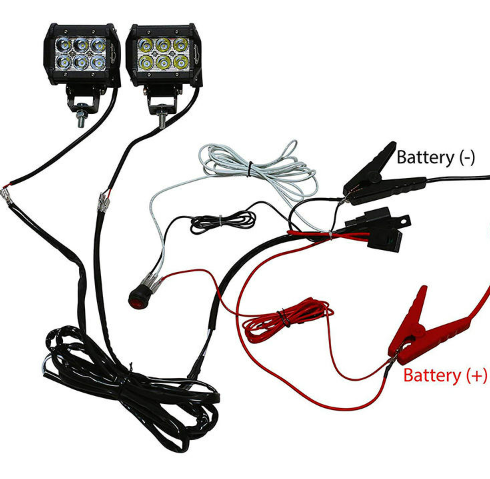
With the rise of smart motorcycles, motorcycle wiring harnesses are increasingly integrating advanced sensors and telematics. These technologies enable real-time monitoring of motorcycle performance, advanced safety systems, and the ability to connect with external devices like smartphones and wearables.
Sensors embedded in the wiring harness monitor various aspects of the bike’s performance, such as engine temperature, fuel levels, tire pressure, and battery health. Telematics systems, in turn, provide valuable data to the rider, offering features such as navigation, ride statistics, and remote diagnostics. This integration enhances the overall rider experience by providing real-time insights into the bike’s health and performance.
Telematics also allow the motorcycle to connect with smart devices, enabling features like remote diagnostics and even predictive maintenance. The motorcycle wiring harness must support the increased data flow and power demands from these systems while maintaining reliability and minimizing interference.
With the rise of smart motorcycles and connected systems, high-speed data lines are becoming increasingly important. These lines enable faster communication between different electrical components, such as the engine control unit (ECU), sensors, and infotainment systems. High-speed data lines, often in the form of coaxial cables or fiber-optic cables, allow the wiring harness to handle the larger amounts of data required for features like connectivity and advanced ride modes.
As more motorcycles integrate smart technologies, the need for faster data transmission will continue to grow. High-speed data lines ensure that the bike’s electronics can communicate with each other quickly and efficiently, providing seamless integration of features like adaptive cruise control, collision avoidance, and ride optimization.
The integration of artificial intelligence (AI) and vision systems in motorcycles is on the rise, particularly in autonomous and semi-autonomous models. These systems rely on powerful sensors and processors that need to be supported by motorcycle wiring harnesses capable of transmitting large amounts of data in real-time.
The wiring harness must not only deliver power to these systems but also handle the flow of data necessary to process information from cameras, radar, and other sensors. AI systems can analyze this data to optimize ride comfort, fuel efficiency, and safety, while vision systems enable features like automatic emergency braking and lane-keeping assistance.
Tip: To future-proof your motorcycle, look for motorcycle wiring harnesses that support AI and vision system integration, as these technologies are becoming increasingly common in modern bikes.
As electric motorcycles gain popularity, motorcycle wiring harnesses must evolve to meet the specific needs of electric powertrains. Electric motorcycles use high-voltage batteries that power the motor, which requires specialized wiring harnesses to safely handle the increased power demands.
The wiring harness in electric motorcycles needs to be designed to manage higher voltages, typically between 48V and 96V for electric motorcycles, and sometimes even higher for high-performance models. These harnesses must be built with robust insulation, advanced protective coatings, and be capable of withstanding the stresses of high-voltage operations.
One of the biggest challenges for motorcycle wiring harnesses in electric motorcycles is ensuring they are waterproof and capable of withstanding harsh environmental conditions. Electric motorcycles, especially those used in outdoor settings, must have waterproof connectors and insulation to prevent water from damaging electrical components.
Waterproof connectors and IP-rated components are critical for ensuring the motorcycle remains operational in all weather conditions. With electric motorcycles, this is especially important, as water damage to high-voltage systems can cause serious safety issues.
Table 2: Key Features of Wiring Harnesses for Electric Motorcycles
Feature | Benefit | Use Case |
High-Voltage Wiring | Can carry power from large batteries to the motor | Electric motorcycles and e-bikes |
Waterproof Connectors | Prevent water damage to wiring | Riding in rain or wet conditions |
Heavy-Duty Insulation | Protects wiring from heat and environmental damage | Electric powertrains and battery systems |
One of the most notable trends in motorcycle wiring harness design is the shift from distributed architectures to zonal architectures. Traditionally, wiring systems were designed to connect individual components across the bike, which often led to complex and bulky wiring harnesses. Zonal architectures, however, simplify this by grouping components into defined zones.
This approach streamlines the wiring system, making it easier to install, maintain, and troubleshoot. Zonal architectures also help improve the overall efficiency of the wiring harness, ensuring that each system receives the power and signals it needs without unnecessary complexity.
Zonal architecture enables the consolidation of wiring, reducing the number of connectors and simplifying data transmission. It also makes the wiring system more efficient, minimizing interference and improving the overall functionality of the motorcycle. This is particularly beneficial for high-performance motorcycles, where speed and efficiency are critical.
Tip: For better data transfer and simpler designs, opt for motorcycle wiring harnesses based on zonal architecture. It will improve overall performance and reduce maintenance time.
The use of Electronic Design Automation (EDA) tools in designing motorcycle wiring harnesses is changing the way manufacturers develop new motorcycles. EDA tools allow engineers to model, test, and optimize wiring systems digitally before physical production begins. This leads to more accurate designs, fewer errors, and faster development cycles.
With EDA tools, engineers can simulate the behavior of wiring systems under various conditions, such as high heat or vibration, to ensure their reliability. This reduces the risk of design flaws and ensures that the wiring harness performs optimally throughout the bike's lifespan.
EDA tools help manufacturers better integrate the wiring harness into the overall motorcycle design, enabling more efficient communication between electrical components. By simulating various conditions, manufacturers can identify potential issues and address them before production begins, resulting in higher-quality products and shorter time-to-market.
As environmental concerns grow, manufacturers are placing more emphasis on sustainability when designing motorcycle wiring harnesses. This includes using recycled materials and eco-friendly production processes to reduce the carbon footprint of the motorcycle industry.
Manufacturers are turning to materials like recycled copper, biodegradable insulation, and renewable polymers to build more sustainable wiring systems. These efforts not only help reduce waste but also improve the environmental impact of the overall motorcycle manufacturing process.
Recyclable and reusable materials are becoming increasingly popular in the design of motorcycle wiring harnesses. These materials allow manufacturers to reduce waste and promote a circular economy within the motorcycle industry. For instance, some manufacturers are now using biodegradable plastics in their wiring systems, helping to reduce the amount of non-recyclable waste produced.
Tip: When selecting a motorcycle, consider the sustainability of its components, including the wiring harness. More eco-friendly materials can help reduce your environmental impact.
In this article, we explored the key design trends shaping the future of motorcycle wiring harnesses. From lightweight materials to smart integrations and electrification, these trends are transforming how motorcycles are designed and powered. Understanding these trends allows manufacturers to create safer, more efficient, and high-performance motorcycles.
Guangzhou City Youye Electronics Co., Ltd. offers innovative motorcycle wiring harnesses that incorporate the latest design advancements. Their products are engineered for durability, reliability, and performance, ensuring that every component works seamlessly for an optimal riding experience.
A: A motorcycle wiring harness is a system of wires, connectors, and electrical components that link the various electrical systems of a motorcycle. It transmits power and signals to components like lights, sensors, and the engine control unit.
A: The motorcycle wiring harness is critical for the safe and efficient functioning of the bike's electrical systems. It ensures proper power distribution and communication between components, helping prevent malfunctions.
A: The motorcycle wiring harness works by channeling electricity from the battery to various components, including the ignition system, lights, sensors, and dashboard. It ensures that all parts receive the necessary power to function.
A: Signs of a damaged motorcycle wiring harness include malfunctioning lights, flickering electrical systems, or complete failure of certain components. A mechanic can inspect the harness to identify any faults.
A: Modern motorcycle wiring harnesses are often made from high-quality materials such as copper, aluminum, and advanced composites. These materials ensure durability, electrical efficiency, and weight reduction.