
 English


Views: 0 Author: Site Editor Publish Time: 2026-01-20 Origin: Site


Safety is paramount when it comes to public transport wiring harnesses. In the rapidly growing electric vehicle sector, these wiring systems must meet strict safety standards to ensure reliability and protection.
This article will explore the key safety standards that govern public transport wiring harnesses. You’ll learn about the various regulations, such as fire resistance, thermal performance, and environmental protection, that are essential for safe and effective wiring systems. By the end, you'll understand how these standards keep electric buses and trains running safely on the road.
One of the most widely recognized standards for public transport wiring harnesses is IPC/WHMA-A-620, which outlines the requirements for cable and wire harness assemblies used in all types of vehicles. This standard specifies the minimum requirements for the quality and performance of wire harnesses in the transport sector, focusing on factors such as wire insulation, connector reliability, and assembly processes. It also covers the soldering techniques used to ensure that connections are safe and durable.
The standard is essential for manufacturers aiming to provide high-quality wiring solutions that meet international expectations. Adhering to IPC/WHMA-A-620 ensures that the wiring harnesses can withstand harsh operating conditions, including extreme temperatures, mechanical stress, and exposure to chemicals. For public transport wiring harnesses, this means that the wires used in electric buses and trains must be able to operate effectively under challenging environmental factors.
Moreover, compliance with this standard ensures that the wiring harnesses meet rigorous safety, durability, and performance criteria, which are particularly critical in high-stress environments like public transportation. The use of quality materials and adherence to this standard ensures long-term reliability and safety for both passengers and operators.
Tip: Manufacturers should ensure compliance with IPC/WHMA-A-620 to guarantee that wiring harnesses are durable, reliable, and meet the rigorous demands of public transport systems.
The ISO 6722 standard addresses the thermal and mechanical performance requirements for automotive wiring, which are equally important for public transport wiring harnesses. This standard ensures that wiring systems are capable of operating under high temperatures, vibrations, and mechanical stress, conditions commonly encountered in public transport vehicles. These factors are especially critical for electric buses and trains, which operate in demanding environments with fluctuating temperatures and mechanical wear.
For electric buses and trains, the wiring must withstand both the heat generated by the high-voltage systems and the mechanical stresses from constant movement. ISO 6722 sets the minimum requirements for insulation, resistance to heat aging, and overall durability. The standard also ensures that the wiring harnesses remain intact under conditions of vibration and flexing, which are common in daily transport operations.
This standard is important because it helps manufacturers ensure that their wiring systems remain functional over time, even in the most challenging conditions. By meeting the requirements of ISO 6722, manufacturers can ensure that their wiring solutions will continue to perform safely and efficiently throughout the lifetime of the vehicle.
Table 1: Key Requirements of ISO 6722 for Public Transport Wiring Harnesses
Requirement | Description |
Thermal Resistance | Ensures wiring can handle high temperatures without degradation. |
Vibration Resistance | Guarantees wiring harnesses can withstand vibrations from vehicle movement. |
Mechanical Durability | Specifies the wiring's ability to resist wear and tear under constant use. |
The International Electrotechnical Commission (IEC) standard 60228 specifies the requirements for conductor materials in wiring systems. For public transport wiring harnesses, the standard ensures that the materials used for copper and aluminum conductors meet strict requirements for electrical conductivity and mechanical strength. This is essential for ensuring the safe transmission of power through the high-voltage systems of electric buses and trains.
Electric buses and trains operate with high-voltage systems, making conductor quality crucial for preventing electrical faults. IEC 60228 outlines different classes of conductors, depending on the flexibility, mechanical resistance, and conductivity required for specific applications. The proper selection of conductor material is essential to maintaining the efficiency and safety of the vehicle's power distribution system.
For example, copper is often preferred for its superior conductivity, while aluminum is lighter and may be more cost-effective for certain applications. The proper selection and quality assurance of these materials directly impact the overall safety and performance of the public transport wiring harnesses.
UL 758 is an important safety standard for wiring products, including those used in public transport wiring harnesses. This standard focuses on the fire-resistance, heat-resistance, and overall electrical integrity of wiring materials. It ensures that wiring systems in public transport vehicles are capable of withstanding high temperatures, environmental stresses, and fire hazards.
When public transport systems operate in urban environments, wiring harnesses are exposed to various risks, including short circuits and fire hazards. UL 758 ensures that wiring systems can withstand these risks and maintain functionality under extreme conditions. Certification to this standard assures operators and passengers that the wiring systems are designed for safety and reliability.
Tip: Ensure that your wiring harnesses meet UL 758 requirements to minimize fire and heat risks, enhancing safety in electric public transport vehicles.
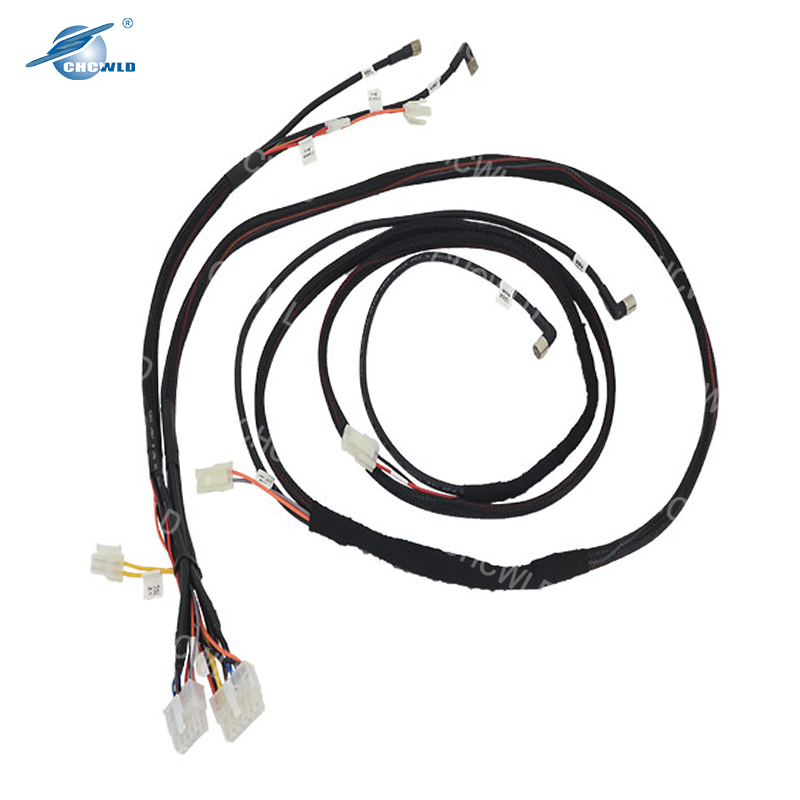
Fire resistance is a critical safety consideration for public transport wiring harnesses. The high voltage systems in electric buses and trains generate significant heat, which can lead to fires if the wiring is not properly insulated and protected. The wiring harnesses must be constructed from materials that resist ignition and can continue to operate in high-temperature environments without failure. This is especially critical in electric vehicles, where the risk of fire due to electrical faults is a top safety concern.
Key fire-resistant materials include thermoplastic elastomers, which offer both insulation and flame-retardant properties, making them ideal for use in the high-voltage systems of electric vehicles. Testing for fire resistance is a critical part of compliance with safety standards such as IEC 60332.
Table 2: Fire Resistance Materials for Public Transport Wiring Harnesses
Material | Characteristics |
Thermoplastic Elastomers | Excellent flame resistance, high heat stability. |
Cross-Linked Polyethylene (XLPE) | High-temperature and flame-resistant properties. |
Silicone Rubber | Durable, flexible, and flame-retardant. |
Public transport wiring harnesses must also meet strict environmental protection standards. These harnesses must be resistant to moisture, chemicals, dust, and extreme temperatures, all of which can affect their performance. Environmental protection ensures that the wiring system operates reliably regardless of external conditions.
For example, wiring systems exposed to outdoor environments must be protected against UV radiation, which can degrade materials over time. Sealing techniques, such as using waterproof connectors and coatings, are commonly employed to meet these environmental standards.
Electric buses and trains face constant mechanical stress due to vibrations, shifting loads, and impacts. Public transport wiring harnesses must be designed to resist strain, abrasion, and physical wear. This is especially critical in the areas where wiring harnesses pass through moving parts of the vehicle, such as the suspension system or undercarriage.
Manufacturers often use reinforced cables and provide additional protection in vulnerable areas to ensure durability. By doing so, they can reduce the risk of damage that could lead to system failure or electrical short circuits.
Tip: Focus on durability and proper routing during installation to ensure long-lasting performance and reduce the likelihood of mechanical failures.
Each public transport vehicle type may have its own specific requirements when it comes to public transport wiring harnesses. Original Equipment Manufacturers (OEMs) set strict standards for wiring systems to ensure that they integrate seamlessly with the vehicle’s power systems and electronics. These OEM standards often build upon the international safety standards mentioned earlier but may include additional vehicle-specific criteria.
Electric buses, for example, require wiring systems that integrate with their battery management systems and motor controllers, both of which have high-voltage requirements. Adherence to OEM standards ensures compatibility and safety.
Regulations for public transport wiring harnesses can vary significantly between regions. While international standards like IEC 60228 and UL 758 provide a global framework, countries may also implement their own regulations, such as specific requirements for wiring in urban transportation systems.
For example, in Europe, the European Union’s Regulation (EC) No 661/2009 on vehicle safety sets standards for the safe operation of electrical systems in road transport. Local regulations may dictate how wiring systems should be tested, installed, and maintained to ensure ongoing safety.
Proper design and layout of public transport wiring harnesses are crucial to ensuring safety and ease of installation. Poorly planned layouts can lead to short circuits, excessive heat buildup, or stress on the wiring. A well-organized wiring system minimizes the risk of failure and improves overall operational efficiency.
Best practices include proper routing of cables, using strain relief at connection points, and ensuring clear labeling of each wire for easy maintenance.
Choosing the right materials is essential for the safety and durability of public transport wiring harnesses. Materials must meet fire, temperature, and chemical resistance standards. High-performance polymers, such as cross-linked polyethylene (XLPE) and polyvinyl chloride (PVC), are commonly used for insulation.
Manufacturers should also consider the environmental impact of materials, opting for recyclable and sustainable options when possible.
Testing is a key part of the manufacturing process for public transport wiring harnesses. Harnesses must undergo electrical, thermal, and mechanical tests to ensure they can withstand real-world operating conditions. These tests help identify weaknesses or defects before the harnesses are installed in public transport vehicles.
Tip: Manufacturers should implement strict quality control processes, including regular testing and compliance checks, to ensure their wiring systems meet all safety and performance standards.
In this article, we discussed the key safety standards that ensure the reliability and safety of public transport wiring harnesses. From fire resistance to environmental protection, these standards are essential for the operation of electric buses and trains. Manufacturers must adhere to strict guidelines to ensure that these critical systems function safely and efficiently.
Guangzhou City Youye Electronics Co., Ltd. provides high-quality public transport wiring harnesses designed to meet the highest safety standards. Their products offer superior durability, fire resistance, and thermal protection, ensuring the safe operation of electric public transport systems. By focusing on innovation and quality, Guangzhou City Youye Electronics Co., Ltd. helps meet the growing demands of the green transport industry.
A: A public transport wiring harness is a network of cables, connectors, and insulation that facilitates the distribution of power and data across various electrical systems in vehicles like electric buses and trains.
A: Safety standards ensure that public transport wiring harnesses meet necessary regulations for fire resistance, heat resistance, and mechanical durability. These standards are crucial for preventing electrical faults, fires, and ensuring vehicle safety.
A: Public transport wiring harnesses are essential for ensuring efficient power distribution and reliable communication between vehicle systems, which directly impacts the overall performance and safety of electric buses and trains.
A: The cost of public transport wiring harnesses depends on factors like material quality, voltage requirements, and vehicle type. Higher-quality materials and more complex designs will generally increase the cost, but they provide better safety and durability.
A: Manufacturers can ensure public transport wiring harnesses meet safety standards by following key regulations, such as ISO 6722 and UL 758, performing rigorous testing, and using high-quality, fire-resistant materials. These practices help maintain safety and reliability in electric vehicles.