
 English


Views: 182 Author: Site Editor Publish Time: 2025-12-22 Origin: Site


Step-by-Step Guide on How to Test a Motorcycle Wiring Harness
Common Issues with Motorcycle Wiring Harness and How to Fix Them
Benefits of Investing in a High Quality Motorcycle Wiring Harness
When working on your motorcycle, one of the most critical components that often gets overlooked is the motorcycle wiring harness. A wiring harness is the backbone of your bike's electrical system, ensuring all components—from the ignition system to the lighting—work in unison. Over time, these harnesses can become damaged due to wear and tear, environmental factors, or poor-quality wiring. Testing your motorcycle wiring harness is essential to ensure everything functions properly, and diagnosing issues early can prevent more expensive repairs later on. This guide will walk you through the process of testing a motorcycle wiring harness step by step, helping you identify and fix potential problems efficiently.
The motorcycle wiring harness plays a pivotal role in your bike's overall performance. It connects various electrical components, such as the ignition system, lights, sensors, and battery, allowing for smooth operation. A faulty wiring harness can lead to a range of issues, from electrical shorts to complete system failure. In more severe cases, poor wiring could even result in fire hazards. Regular testing of your wiring harness ensures that your motorcycle remains safe to ride and that electrical components continue to function optimally.
A professional wiring harness will help mitigate these risks by providing a well-structured design that is both durable and resistant to wear. Whether you're working with a custom motorcycle wiring harness for a unique build or a universal motorcycle wiring harness, proper testing is essential to identify any issues before they compromise the bike’s performance.
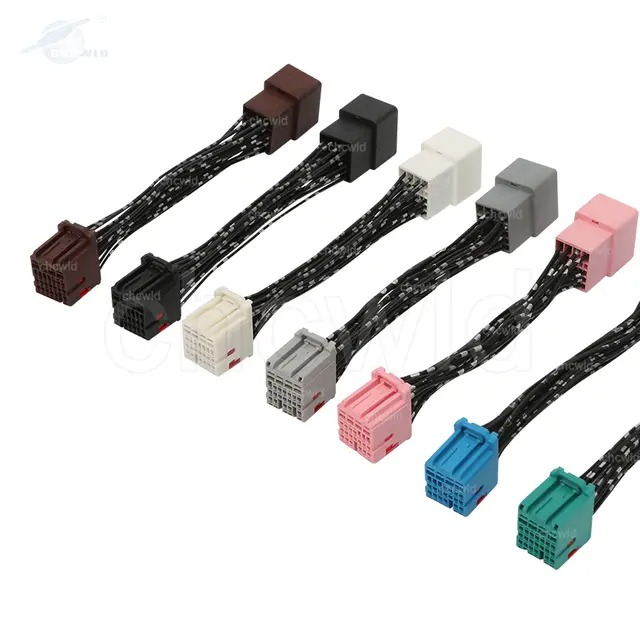
Before diving into the process, you’ll need a few essential tools to test your motorcycle wiring harness effectively:
Multimeter: This is the most important tool for testing electrical components in the wiring harness. It measures voltage, resistance, and current, helping you pinpoint issues like short circuits or open circuits.
Test Light: A simple tool to check for power at various points in the wiring harness.
Wire Strippers and Crimpers: If you need to repair damaged wires, these tools will be essential.
Electrical Tape: For repairing small wire insulation damage temporarily.
Cleaning Supplies: Dirt and corrosion can cause poor connections, so cleaning the wiring harness before testing is a good idea.
Testing a motorcycle wiring harness is not a difficult task, but it does require attention to detail. Here's a comprehensive guide to help you test your motorcycle wiring harness effectively.
Start by performing a visual inspection of the entire wiring harness. Look for any obvious signs of damage, such as:
Frayed or cut wires: Over time, wires can become exposed and damaged due to abrasion.
Burn marks: This could indicate overheating or short circuits.
Corroded or loose connectors: Loose or corroded connections can cause intermittent electrical failures.
If you find any obvious damage, take note of it, as you’ll need to fix or replace these parts during the repair process.
Next, use a multimeter to check for continuity in each wire. Continuity checks ensure that there is no break in the wire, and the electrical flow can travel from one end to the other. To perform this test:
Set your multimeter to the continuity mode (or the lowest resistance setting).
Touch the probes of the multimeter to each end of the wire.
If the multimeter beeps or shows a low resistance reading, the wire is in good condition.
If it doesn’t beep or shows an infinite resistance, the wire is broken and needs to be replaced.
Voltage supply tests are crucial to ensure that the motorcycle wiring harness is receiving the proper voltage from the battery and other electrical systems. Here's how to check:
Set your multimeter to DC voltage.
Test various points in the harness, including the battery terminals, ignition switch, and connections to components like lights and sensors.
A high quality motorcycle wiring harness will ensure that voltage is consistently at the proper level (usually between 12V and 14V when the engine is running).
If voltage is lower than expected, it could indicate a problem with the alternator or charging system.
A multimeter can provide a lot of detail about the condition of your wiring harness. Apart from continuity and voltage tests, it can also be used to measure resistance and current flow. Here's how:
Resistance Test: This will help you check for short circuits or damaged wiring that could be causing excessive resistance, leading to power loss or overheating.
Current Flow Test: You can check if each component is drawing the correct amount of current when activated, which helps identify faulty components.
If you've identified faulty wires or connections, it's important to fix them promptly. Use your multimeter to test each connection to ensure it is secure and properly insulated. You can also use a heavy-duty motorcycle wiring harness if the existing wiring seems too worn out or fragile for continued use.
Here are some common issues you might encounter with your motorcycle wiring harness, along with troubleshooting tips:
Corroded Connectors: Corrosion can block electrical signals, causing poor performance. Clean connectors with electrical contact cleaner and ensure that they are tightly secured.
Short Circuits: Short circuits occur when two wires touch, leading to power loss or damage. Inspect the wiring carefully, especially around tight corners or areas exposed to vibrations, and repair any damaged wires.
Poor Connections: Loose or broken connections can cause intermittent power loss. Use crimp connectors and electrical tape to secure loose wires.
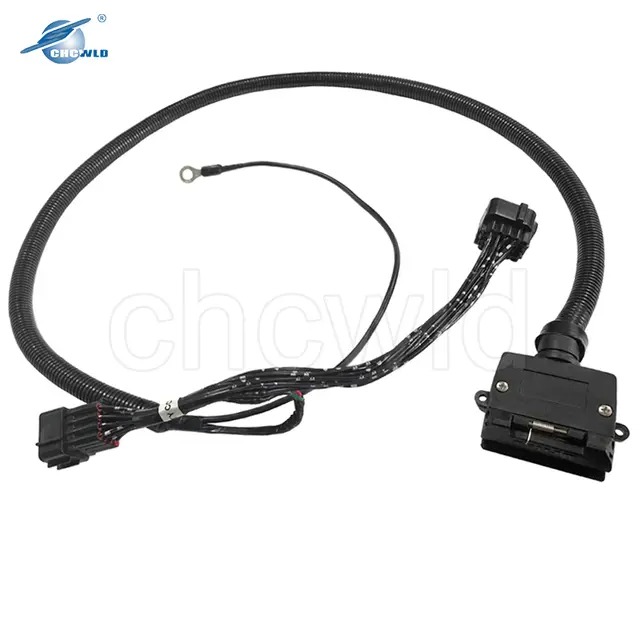
When replacing or upgrading your motorcycle wiring harness, it’s essential to choose the right kit for your bike. Here's a comparison of the different types:
| Type of Wiring Harness Kit | Features | Best For |
|---|---|---|
| Universal Motorcycle Wiring Harness | Compatible with various motorcycle models, cost-effective | Standard motorcycles |
| Custom Motorcycle Wiring Harness | Tailored to specific motorcycle designs, more flexible | Custom builds or unique designs |
| Heavy Duty Motorcycle Wiring Harness | Enhanced durability, resistant to heat and corrosion | Motorcycles exposed to harsh conditions |
| Professional Motorcycle Wiring Harness Supplier Kits | High-quality, well-designed kits for optimal performance | Those seeking professional-grade wiring systems |
Investing in a professional motorcycle wiring harness supplier will ensure you get the best possible components for your bike, improving longevity and performance.
Investing in a high quality motorcycle wiring harness offers several advantages:
Improved Durability: Higher-quality wires are resistant to corrosion, heat, and wear.
Better Performance: A well-made wiring harness ensures that your motorcycle's electrical system functions smoothly.
Safety: A reliable wiring harness reduces the risk of electrical failures or fires caused by faulty connections.
Testing and maintaining your motorcycle wiring harness is an essential part of motorcycle ownership. By regularly inspecting and testing the motorcycle wiring harness, you can prevent minor issues from turning into costly repairs. Using high-quality components and ensuring that all connections are in good condition will provide long-term benefits, including better performance, safety, and durability.
1.How often should I test my motorcycle wiring harness?
It's recommended to inspect your wiring harness every 6 to 12 months or whenever you perform major maintenance.
2.Can I use a universal motorcycle wiring harness for custom builds?
While a universal motorcycle wiring harness can be adapted, it's often better to use a custom motorcycle wiring harness for unique builds to ensure a perfect fit.
3.What should I do if my motorcycle wiring harness is too damaged to repair?
If the wiring harness is beyond repair, replacing it with a high quality motorcycle wiring harness or a heavy duty motorcycle wiring harness would be the best option.
4.What are the signs that my motorcycle wiring harness needs to be replaced?
If you're experiencing electrical issues like flickering lights, engine misfires, or complete system failures, it may be time to replace the wiring harness.