
 English


Views: 189 Author: Site Editor Publish Time: 2025-12-15 Origin: Site


The automotive wiring harness is one of the most crucial components in a vehicle, as it connects all the electrical systems that control everything from the engine to the lights. Over time, these wiring harnesses can accumulate dirt, debris, oil, or moisture, which can cause electrical failures or shorten the lifespan of your vehicle’s systems. Cleaning the wiring harness ensures optimal performance and longevity, but it must be done carefully to avoid damage.
In this guide, we will walk you through the process of cleaning an automotive wiring harness safely and effectively, focusing on practical steps, tools, and best practices. Whether you are dealing with a Durable Automotive Wiring Harness or a High-Quality Automotive Wiring Harness, this article will provide you with everything you need to keep your wiring in top condition.
Cleaning an automotive wiring harness is more than just a routine maintenance task; it's vital for ensuring the safety and efficiency of your vehicle. The wiring harness serves as the central nervous system of your car, connecting key electrical components and systems. Dirt, grease, and other contaminants can lead to the following issues:
Corrosion: Dirt and moisture trapped in the wiring can lead to corrosion, which can compromise the integrity of the electrical connections.
Short Circuits: Accumulated debris can cause short circuits or electrical malfunctions, which can potentially cause system failures.
Wear and Tear: Over time, contaminants can cause the insulation around the wires to degrade, leading to brittle wires and potential breakdowns.
By cleaning your automotive wiring harness regularly, you ensure that all electrical components function smoothly, preventing expensive repairs and unnecessary replacements.
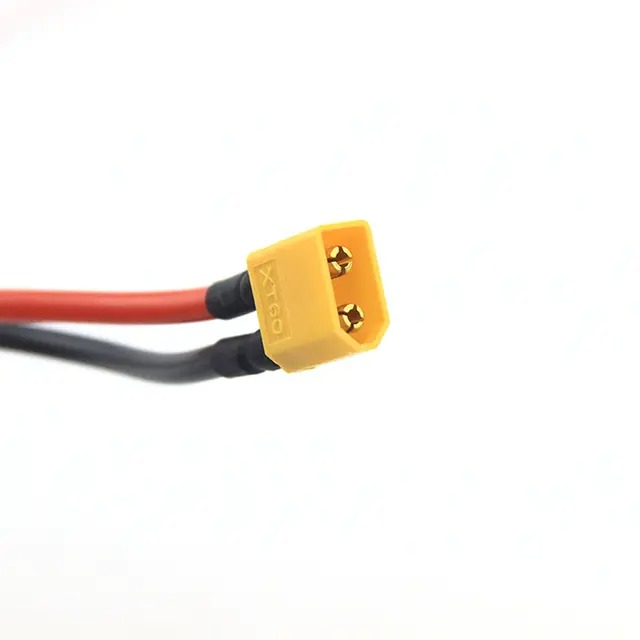
Before diving into the cleaning process, you need to properly prepare the wiring harness and the area surrounding it. Follow these essential steps:
Disconnect the Battery: To avoid any risk of electrical shock or short circuits, always disconnect the vehicle’s battery before cleaning the wiring harness.
Locate the Wiring Harness: Identify the areas where the wiring harness is installed. In many vehicles, it is located near the engine, under the dashboard, or within the vehicle’s chassis.
Assess the Condition: Before cleaning, inspect the harness for any visible signs of damage such as frayed wires, cracks in the insulation, or areas with excessive wear. If you find any significant damage, it may be best to replace the affected section rather than cleaning it.
Selecting the correct cleaning solution is critical. Harsh chemicals can damage the insulation on the wires or leave residues that attract more dirt. Here are some options:
Mild Soap and Water: For most general cleaning, a mixture of mild soap and warm water is sufficient.
Specialized Electrical Cleaner: If the wiring harness is covered in grease or oil, an electrical contact cleaner or degreaser designed for automotive use may be required. These cleaners are formulated to evaporate quickly without leaving a residue.
Rubbing Alcohol: For light cleaning, especially when dealing with sensitive areas like the connectors, rubbing alcohol can be an effective solution.
Gather the following tools before starting the cleaning process:
Soft Brushes: A small soft-bristled brush, such as a toothbrush, is ideal for removing dirt and debris without damaging the wires.
Lint-Free Cloths: Use lint-free cloths to wipe off excess cleaning solutions and debris.
Compressed Air: For blowing out loose dirt from tight areas of the harness.
Cotton Swabs: For precision cleaning, especially around connectors and smaller components.
When cleaning your automotive wiring harness, following best practices is crucial to ensure you don’t inadvertently cause more harm than good. Here are some tips:
Clean the Wires Gently: Avoid scrubbing too aggressively. Gentle brushing or wiping will remove contaminants without damaging the wires or connectors.
Avoid Soaking: Never soak the entire harness in a cleaning solution. Use a damp cloth to wipe down the wires and connectors instead.
Dry Thoroughly: After cleaning, ensure the wiring harness is completely dry before reconnecting the battery. Use compressed air to blow out any remaining moisture.
Inspect for Debris: After cleaning, double-check that no cleaning solution or debris has been trapped in tight areas, especially at the connectors.
Cleaning the wiring harness requires a delicate touch. To avoid causing any damage, here are some common mistakes to avoid:
Using Harsh Chemicals: Some cleaning solutions are too harsh for automotive wiring. Always use automotive-specific products to avoid damage to the insulation or connectors.
Skipping the Drying Process: If the harness is not completely dry before reconnecting, residual moisture can cause corrosion or electrical short circuits.
Ignoring the Battery Disconnection: Always disconnect the battery to prevent any electrical issues during the cleaning process.
Not Replacing Damaged Wires: If you notice any frayed or worn wires, do not attempt to clean them; replace them as necessary. Cleaning damaged wires can cause further degradation.
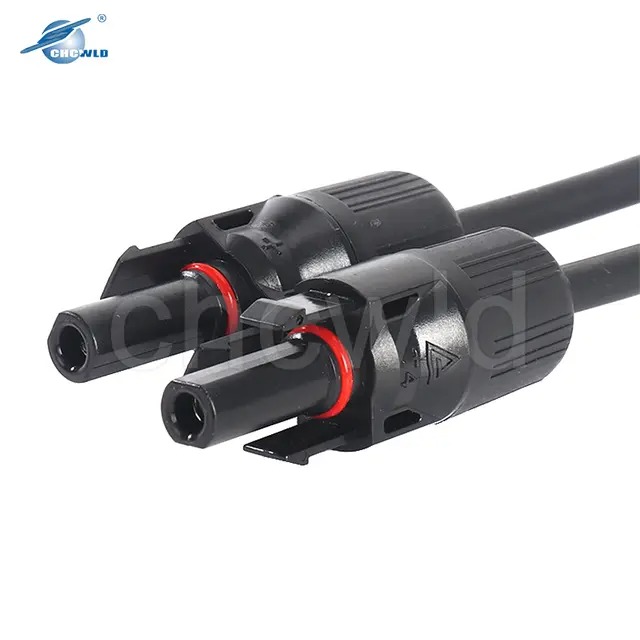
Electric vehicles (EVs) have unique wiring harnesses compared to traditional vehicles. The wiring for EVs, particularly Automotive Wiring Harness for Electric Vehicles, tends to handle higher voltage systems and must be maintained more carefully to avoid risks.
Here are some things to keep in mind when cleaning EV wiring harnesses:
Use Appropriate Cleaning Products: Always ensure you are using cleaners that are safe for high-voltage electrical systems.
Focus on Insulation: The insulation around EV wiring is often designed to handle higher temperatures and electrical loads. Be extra cautious not to damage the insulation while cleaning.
Check for Moisture: Electric vehicle wiring systems can be more sensitive to moisture. After cleaning, thoroughly inspect and ensure no moisture remains trapped in the system.
Once you've cleaned your wiring harness, it’s important to implement steps that will help keep it in great condition for years to come.
Regular Inspections: Check your wiring harness periodically for signs of wear, corrosion, or dirt buildup.
Use Protective Sleeving: For added protection, consider using protective sleeves or conduit around the wiring harness to guard against physical damage and moisture.
Opt for a Custom Wiring Harness: If your vehicle is modified or has unique electrical requirements, consider reaching out to a Custom Automotive Wiring Harness Manufacturer to design a solution that will make cleaning and maintenance easier.
To ensure the durability of your wiring harness after cleaning, consider these key points:
Use a High-Quality Automotive Wiring Harness: Always opt for high-quality wiring when replacing or installing a new harness. A Durable Automotive Wiring Harness can withstand the rigors of cleaning and daily use.
Regular Protective Coating: Apply a thin layer of protective coating over the wires to reduce wear and moisture penetration.
Cleaning your automotive wiring harness is an essential task for maintaining the functionality and longevity of your vehicle’s electrical system. By following the right steps, using the proper tools and cleaning solutions, and avoiding common mistakes, you can ensure that your wiring harness stays in top condition. Whether you are working with a Professional Automotive Wiring Harness Supplier or a Custom Automotive Wiring Harness Manufacturer, proper maintenance of the wiring harness will go a long way in ensuring a smooth and safe driving experience.
Q1: How often should I clean my automotive wiring harness?
A1: The frequency of cleaning depends on the environment your vehicle is exposed to. If you frequently drive in muddy or salty conditions, cleaning the wiring harness every 6 to 12 months is recommended.
Q2: Can I clean my automotive wiring harness with just soap and water?
A2: Yes, mild soap and water can be effective for most general cleaning. For grease or oil, use specialized electrical contact cleaners.
Q3: How do I know if my wiring harness is damaged?
A3: Inspect for frayed wires, cracks in insulation, or any exposed wiring. If you find visible damage, it’s important to replace the affected section rather than clean it.
Q4: Is cleaning the wiring harness important for electric vehicles?
A4: Yes, cleaning the wiring harness in electric vehicles is even more crucial, as EV wiring systems handle high voltage and moisture can cause significant issues. Be especially cautious when cleaning these systems.