
 English


Views: 212 Author: Site Editor Publish Time: 2025-12-12 Origin: Site


Choosing the Right Automotive Wiring Harness for Your Vehicle
Installation Process of a High-Quality Automotive Wiring Harness
Common Mistakes to Avoid When Using an Automotive Wiring Harness
An automotive wiring harness is a crucial part of any vehicle's electrical system, ensuring that power and signals are delivered to the right components. From powering your lights to controlling the engine, a reliable wiring harness is essential for the proper functioning of a vehicle. In this article, we'll delve deep into how to use an automotive wiring harness, why it's important to choose the right one, and how to ensure longevity and reliability.
The guide focuses on both the practical use and technical aspects of installing and maintaining a High-Quality Automotive Wiring Harness in your vehicle. Whether you're working on a traditional car or an Automotive Wiring Harness for Electric Vehicles, understanding how to select and handle your wiring harness will help avoid common issues and ensure your vehicle operates smoothly.
Before diving into how to use an automotive wiring harness, it's important to understand what it is and why it's integral to your vehicle. A wiring harness is a bundled collection of electrical wires, connectors, and other components that transmit signals and power throughout your vehicle. It allows for a more organized and reliable electrical system, replacing the need for individual wires running all over the vehicle.
Modern automotive wiring harnesses are designed to withstand various conditions, from high temperatures to vibrations, moisture, and other harsh environments. They are critical in almost all automotive systems, including the engine, lighting systems, infotainment, and safety features.
Key benefits of an automotive wiring harness:
Organization and Safety: Keeps the electrical components organized and safe from damage.
Durability: Ensures wires are protected against wear and tear.
Efficiency: Helps optimize the electrical performance of the vehicle.
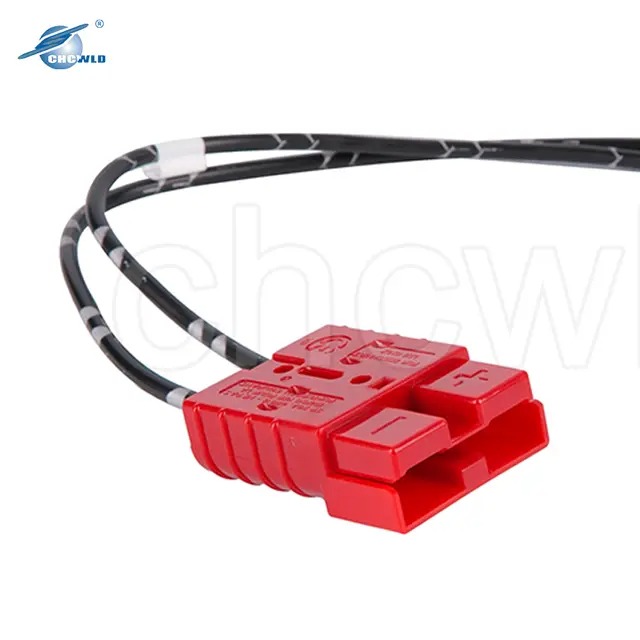
Selecting the right wiring harness is a critical step to ensure your vehicle's electrical system operates efficiently. Not all wiring harnesses are created equal, and the right choice depends on your vehicle's specifications and needs.
When selecting an automotive wiring harness, consider the following factors:
Vehicle Model and Year: Ensure compatibility with your specific vehicle. The wiring harness must match the vehicle's electrical system layout and requirements.
Purpose and Functionality: Are you upgrading an existing system or installing a new one? If you're working with specific systems like lighting or electric vehicles, ensure the harness is designed for that purpose.
Durability: Opt for a Durable Automotive Wiring Harness if your vehicle is exposed to rough conditions or high temperatures.
Customization Needs: In some cases, you may need a Custom Automotive Wiring Harness Manufacturer to create a tailor-made harness that fits your needs perfectly.
Installing an automotive wiring harness is a crucial task that requires attention to detail and careful handling of electrical components. If done improperly, it can lead to short circuits, component damage, or even fires. Here’s a step-by-step guide to help you safely install a High-Quality Automotive Wiring Harness:
Step 1 Preparation:Before installation, ensure that the vehicle is powered off and disconnected from any power source. Gather all necessary tools, such as wire cutters, crimpers, and electrical tape.
Step 2 Inspect the Wiring Harness:Check that the automotive wiring harness you're using is of good quality and free of damage. Inspect the connectors to make sure they fit the intended ports properly.
Step 3 Routing the Harness:Carefully route the harness along the intended paths in the vehicle. Avoid sharp bends, which can cause wear on the wires and connectors. Secure the wiring harness with clips or zip ties to prevent it from hanging loose or getting caught.
Step 4 Connecting the Wires:Make sure that each wire is properly connected to the corresponding components. This could involve connecting the harness to the engine, lights, or sensors. Double-check each connection to ensure it is secure.
Step 5 Testing the System:Once the installation is complete, power up the system and test all connected components. This step ensures everything is working correctly and there are no electrical issues.
A typical automotive wiring harness consists of several critical components that allow for proper electrical connectivity and performance:
Wires: The main part of the harness, typically made of copper or aluminum, that carries the electrical current.
Connectors: These are the plugs and sockets that join the wires to various electrical components in the vehicle.
Fuses and Relays: Protects the system from overcurrent or short circuits.
Insulation: Helps prevent electrical shorts and ensures that the wires don't make unintended contact with other components.
Terminals: These are the connection points where wires are joined to components like the battery or alternator.
Here is a table showing common components of a Durable Automotive Wiring Harness:
| Component | Function |
|---|---|
| Wires | Carry electrical signals and power |
| Connectors | Join wires to components |
| Fuses and Relays | Protect electrical system from overload |
| Insulation | Prevents shorts and damage to wires |
| Terminals | Connect wires to vehicle components |
Maintaining your automotive wiring harness is vital for ensuring the longevity and reliability of your vehicle’s electrical system. Here are a few maintenance tips:
Regular Inspections: Periodically check for any visible signs of wear or damage to the wiring harness. Look for frayed wires, corrosion, or exposed connectors.
Clean the Harness: Dirt and moisture can cause corrosion and short-circuiting. Clean the connectors and wires with a non-abrasive cleaner.
Check Connections: Ensure that all connectors are firmly seated and not loose, which could cause intermittent electrical failures.
Protect from Heat: Excessive heat can damage the wiring. Ensure that the harness is well-protected from engine heat, exhaust systems, or other high-temperature sources.
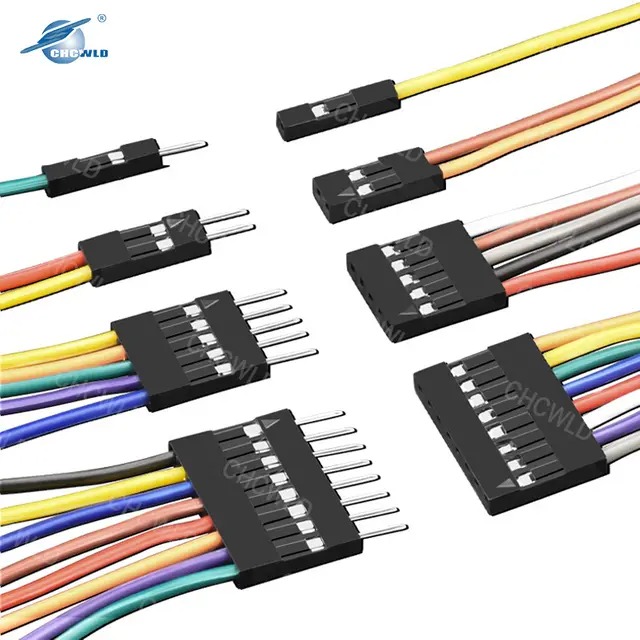
Electric vehicles (EVs) come with unique challenges when it comes to wiring. The Automotive Wiring Harness for Electric Vehicles must accommodate high-voltage systems, including batteries and electric motors.
For EVs, here are some tips to optimize your wiring harness:
Use High-Quality Materials: For high-voltage systems, ensure the wires and connectors are rated for higher voltages to avoid electrical hazards.
Ensure Proper Insulation: Insulation is even more critical in EVs, as the electrical system operates at much higher voltages.
Use Specialized Connectors: Electric vehicles often require specialized connectors that are designed to handle the unique power requirements of an EV.
While using a wiring harness may seem straightforward, there are several common mistakes that can lead to serious issues:
Overloading the Harness: Ensure that the wiring harness is designed to handle the electrical load of all components. Overloading can cause overheating and damage.
Improper Routing: Routing wires incorrectly can lead to damage over time. Make sure the harness is routed away from hot or moving parts.
Neglecting to Secure the Harness: An unsecured harness can rub against sharp surfaces, causing wear and tear. Always secure the harness with zip ties or clips.
Using an automotive wiring harness correctly is essential for maintaining the safety, reliability, and functionality of your vehicle’s electrical system. From selecting the right harness to proper installation and maintenance, taking the necessary precautions will ensure that your vehicle operates efficiently. For those working with specialized vehicles like electric cars or high-performance systems, always consult a Professional Automotive Wiring Harness Supplier to guarantee you’re using the best products for your needs.
Q1: What is the difference between a standard wiring harness and an automotive wiring harness for electric vehicles?
A1: An automotive wiring harness for electric vehicles is designed to handle the higher voltages and unique requirements of EV systems. It features specialized connectors and insulation materials to ensure safe operation.
Q2: How do I know if my automotive wiring harness is of high quality?
A2: Look for harnesses made from durable materials with high-grade insulation and connectors. Reputable manufacturers will offer warranties and certifications for their products.
Q3: Can I install an automotive wiring harness myself?
A3: If you have experience with vehicle electrical systems and the necessary tools, you can install a wiring harness. However, it’s recommended to consult a professional if you're unsure.
Q4: How often should I inspect my automotive wiring harness?
A4: Inspect your wiring harness at least once a year or whenever you notice electrical issues. It's especially important to check the harness after any repairs or modifications to the electrical system.