
 English


Views: 0 Author: Site Editor Publish Time: 2026-01-20 Origin: Site


The future of public transport is electric, and with it comes a growing demand for public transport wiring harnesses. As cities shift towards greener solutions, these components are critical in ensuring the efficiency and safety of electric buses and trains.
In this article, we’ll explore the public transport wiring harness market from 2025 to 2035. You’ll learn about the key drivers, technological advancements, and regional trends shaping the industry. By the end, you’ll have a clear understanding of what’s to come in this rapidly growing sector.
The electrification of public transport is one of the major driving forces behind the growth of the public transport wiring harness market. As cities adopt electric buses and trains to reduce their environmental impact, the demand for robust wiring systems has surged. These systems are crucial for the integration of power distribution, motor controls, battery management, and other electronic functions within the vehicle.
Electric buses, in particular, require complex wiring harnesses to manage the high-voltage systems that power them. The ongoing shift to electric vehicles (EVs) in public transportation will continue to drive demand for specialized public transport wiring harnesses capable of handling these sophisticated systems.
Tip: Companies in the wiring harness industry should focus on developing high-quality, high-voltage solutions that meet the increasing demands of the electric bus market.
Urbanization is another key factor contributing to the growth of the public transport wiring harness market. With more people moving to urban centers, there is an increased need for efficient and environmentally friendly public transport systems. Many cities are incorporating smart city initiatives that require advanced transport solutions, including electric buses, autonomous vehicles, and improved railway infrastructure.
These developments demand advanced wiring systems that can support smart technologies such as data communication, connectivity, and automated systems. The growing trend toward smart cities is expected to further boost the demand for public transport wiring harnesses as the infrastructure for such systems becomes more widespread.
The rapid technological advancements in electric and autonomous vehicles are pushing the boundaries of wiring harness design. The integration of systems such as advanced driver-assistance systems (ADAS), battery management systems (BMS), and infotainment requires wiring solutions that are both reliable and adaptable. Additionally, stricter safety regulations and environmental standards are encouraging the development of more advanced public transport wiring harnesses.
In particular, the growing focus on safety and vehicle autonomy is leading to the adoption of wiring solutions that can support complex electronic systems. These systems rely on precise, high-quality wiring to function effectively and ensure passenger safety.
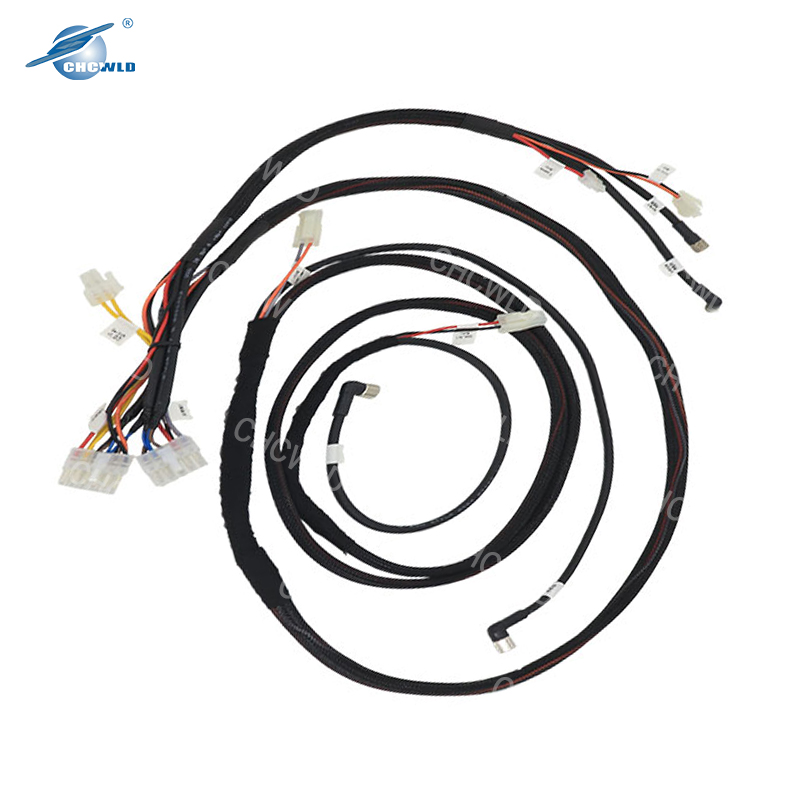
The public transport wiring harness market can be segmented into different categories based on vehicle type, application, and technology. Understanding these segments is crucial for businesses looking to target specific market niches.
The market for public transport wiring harnesses is primarily segmented by vehicle type, including electric buses, trains, trams, and other forms of public transport. Of these, electric buses are expected to be the largest segment, driven by government incentives and the growing demand for green transportation.
Electric buses require highly specialized wiring systems to handle high-voltage systems and integrate with sophisticated motor control and energy management systems. As such, manufacturers will need to develop wiring harnesses that meet these unique requirements.
Tip: Businesses should focus on electric buses and trains as the primary market opportunities, as they offer the highest growth potential in the coming decade.
In rail transport, public transport wiring harnesses are used for applications such as power distribution, HVAC systems, lighting, and advanced signaling systems. As trains become more electrified and automated, the demand for specialized wiring solutions will increase.
Wiring systems in rail transport must be capable of handling high-power and high-frequency systems while also ensuring passenger safety and comfort. The increasing trend towards electrification and automation in rail transport will continue to drive the market for public transport wiring harnesses.
Table 1: Applications of Public Transport Wiring Harnesses in Rail Transport
Application | Description | Key Features |
Power Distribution | Ensures efficient transmission of electrical power | High voltage, reliable connections |
HVAC Systems | Manages heating, ventilation, and air conditioning | Power integration for efficiency |
Signaling Systems | Controls signals and communication for safe transport | High-frequency transmission capability |
The technological evolution of public transport wiring harnesses is also a critical factor driving market growth. Key technological trends include the adoption of lightweight materials, modular designs, and the integration of smart technologies such as IoT and 5G connectivity.
As electric buses and trains become more advanced, wiring harnesses will need to incorporate new technologies to support features such as autonomous driving, real-time data exchange, and wireless connectivity.
Table 2: Emerging Technologies in Public Transport Wiring Harnesses
Technology | Description | Impact on the Industry |
Lightweight Materials | Use of aluminum, thermoplastic polymers | Reduces overall vehicle weight |
Smart Connectivity | Integration of IoT, 5G, and wireless data systems | Enables real-time communication and system monitoring |
Modular Designs | Flexible, customizable wiring systems | Reduces production costs and improves installation efficiency |
The demand for public transport wiring harnesses varies by region, with different markets showing unique growth patterns based on factors like electrification rates, urbanization, and regulatory pressures.
The Asia-Pacific region, particularly China and India, is expected to experience the highest growth in the public transport wiring harness market. These countries are making significant investments in electric public transport infrastructure to reduce pollution and improve energy efficiency.
China, the largest market for electric buses, is expected to continue driving global demand for public transport wiring harnesses as it expands its electric vehicle fleets. India's growing urban population and its push towards cleaner transport will also contribute to increased demand for advanced wiring systems.
Tip: Companies looking to expand in the Asia-Pacific market should focus on partnerships with local manufacturers and align their offerings with government initiatives in these countries.
In Europe and North America, the adoption of public transport wiring harnesses is driven by the need for modernization and compliance with environmental regulations. European countries, including Germany, France, and the UK, are leading the way in electrifying their public transport systems. North America, particularly the United States and Canada, is following suit with significant investments in electric buses and trains.
These regions also benefit from a strong presence of advanced manufacturing capabilities, making them important markets for high-quality public transport wiring harnesses.
While the developing markets in Latin America and Africa face challenges such as limited infrastructure and budget constraints, there are still significant opportunities for public transport wiring harnesses in these regions. Governments are increasingly recognizing the need for sustainable public transport solutions, which is expected to drive demand for wiring solutions.
Tip: Manufacturers should explore partnerships in developing markets where governments are starting to invest in electric buses and modern rail infrastructure.
The push for energy-efficient electric buses and trains is driving the need for lighter, more efficient wiring systems. Public transport wiring harnesses are evolving to incorporate lightweight materials such as aluminum and high-strength plastics. These materials help reduce the overall weight of the vehicle, improving energy efficiency and extending battery life.
Modular wiring systems, which can be customized for different applications and vehicle types, are also becoming more popular. These systems allow for easier installation and maintenance, reducing overall operational costs.
As electric buses and trains become more advanced, the integration of smart technologies and connectivity is increasingly important. Public transport wiring harnesses are being designed to support IoT systems, 5G connectivity, and real-time data exchange. These innovations enable better fleet management, passenger information systems, and autonomous driving capabilities.
The development of smart cities and the adoption of 5G networks will further increase the need for advanced wiring systems capable of supporting these technologies.
Sustainability is a key trend in the public transport wiring harness market. Manufacturers are focusing on the use of recyclable and eco-friendly materials in their products to reduce the environmental impact of production. Additionally, the recycling of wiring harnesses at the end of their lifecycle is becoming a critical consideration in the market.
The global supply chain for raw materials, such as copper and plastics, plays a significant role in the pricing and availability of public transport wiring harnesses. Fluctuations in the price of these materials can impact the cost of production and lead to supply chain disruptions.
As the demand for advanced features like autonomous driving, data connectivity, and increased safety grows, the design and manufacturing of public transport wiring harnesses become more complex. This complexity requires manufacturers to invest in advanced engineering and quality control processes to meet the growing demands of the market.
With increasing regulations around safety, environmental impact, and vehicle performance, manufacturers of public transport wiring harnesses must ensure their products comply with local and international standards. This can add to production costs and require frequent updates to designs.
The public transport wiring harness market is set for significant growth between 2025 and 2035. Technological advancements, government support for electric vehicles, and urbanization are all key drivers. The rising demand for efficient and reliable wiring systems in electric buses and trains is shaping the future of this market.
Guangzhou City Youye Electronics Co., Ltd. is at the forefront, offering high-quality wiring solutions that support the latest in electric vehicle technologies. Their products are designed for efficiency, safety, and durability, providing immense value to the growing electric transport sector. For companies looking to innovate in this space, their expertise is a valuable resource.
A: A public transport wiring harness is a system of cables, connectors, and insulation used to transmit electrical signals and power between various components of electric buses, trains, and other public transport vehicles.
A: Public transport wiring harnesses are crucial for managing high-voltage systems in electric buses and trains. They ensure safe and efficient power distribution, data communication, and integration between various electronic systems.
A: Public transport wiring harnesses enable seamless operation of electric vehicles by ensuring proper power distribution, managing data between control systems, and enhancing safety. These harnesses contribute to the overall efficiency and reliability of the vehicle.
A: The cost of public transport wiring harnesses depends on factors such as the materials used, vehicle size, voltage requirements, and technological complexity. High-performance, durable materials typically increase the cost.