
 English


Views: 251 Author: Site Editor Publish Time: 2025-12-16 Origin: Site


In the complex world of automotive engineering, the wire harness plays a vital role in ensuring the efficient and safe operation of a vehicle. From power supply to control signals, the wiring harness is the essential network that connects the various electrical components of a car. Whether it's a traditional internal combustion engine (ICE) vehicle, a commercial vehicle, or an electric vehicle (EV), understanding the intricacies of a wiring harness for a car is crucial for anyone involved in automotive design, repair, or maintenance. In this article, we will explore the fundamental components and benefits of a high-quality wiring harness, and why investing in professional wiring harness solutions is important for the overall functionality and safety of your vehicle.
A wire harness is a bundled collection of wires, connectors, and other components that are organized and designed to transport electrical signals and power throughout a vehicle. It serves as the backbone for all electrical systems in the vehicle, including lighting, infotainment, engine control, sensors, and safety systems. A wiring harness is specifically designed to protect the wires from wear and tear, moisture, and other environmental factors while keeping them organized and easily accessible.
Wire harnesses are typically tailored to meet the specific requirements of the vehicle they are designed for. The complexity of a wire harness varies depending on the number of electrical components in the car and the types of connections needed. For example, a modern electric vehicle (EV) will have a much more complex wiring harness than a basic gasoline-powered car due to the advanced features and high-power demands of an electric drivetrain.
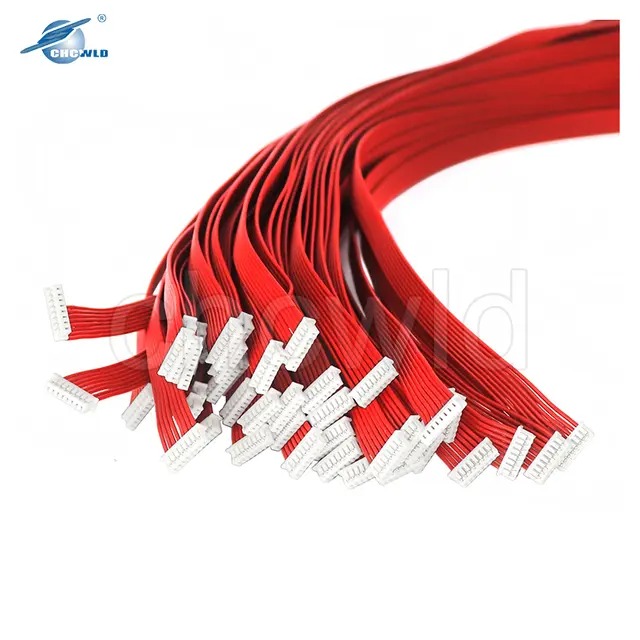
A typical wire harness for a car includes several key components that work together to ensure reliable and safe electrical connections:
Wires: The most basic element of a wire harness, wires are responsible for transmitting electrical power and signals. These wires are insulated and grouped together to minimize the risk of damage and interference.
Connectors: Connectors allow different electrical components within the vehicle to interface with one another. They come in various shapes and sizes depending on the application and the power requirements.
Terminals: Terminals are attached to the ends of wires to facilitate connections with other components.
Protective Covers: These covers shield the wires and connectors from heat, moisture, dirt, and physical damage, enhancing the longevity of the wiring system.
Clamps and Ties: Clamps and ties are used to secure the wires in place, preventing them from moving or getting damaged over time.
Together, these components form a comprehensive network of electrical connections that power everything from the engine control unit (ECU) to the air conditioning system, ensuring the proper functioning of all automotive systems.
The wiring harness plays a critical role in integrating all of the car's electrical systems into a cohesive, functioning unit. It is responsible for connecting sensors, lights, airbags, ECU, battery, and other essential components, ensuring that each part of the vehicle receives the necessary electrical power and control signals.
Here are some key functions of the wire harness in a car:
Power Distribution: It distributes electrical power from the battery to various components like the engine, lights, and infotainment systems.
Signal Transmission: It transmits data and control signals between different modules, ensuring the proper coordination of the car’s functions.
Protection: By keeping the wires protected in an organized manner, it prevents short circuits, fraying, or electrical faults that could compromise the vehicle's safety.
Without a wiring harness, the car's electrical systems would not function in harmony, making it impossible to drive, control, or even start the vehicle.
The quality of a wiring harness is of utmost importance in ensuring the safety, reliability, and longevity of a vehicle. High-quality wiring harnesses are designed to withstand environmental stress, heat, and mechanical wear, while providing robust electrical connections. Investing in a high-quality wiring harness reduces the risk of electrical failures, which could result in costly repairs, safety hazards, and even potential accidents.
When selecting a wiring harness for a car, it’s important to choose products made from premium materials, such as durable insulation and corrosion-resistant connectors. The wiring harness must also be customized to suit the unique demands of the vehicle’s electrical system, whether it’s a traditional car, a wiring harness for commercial vehicles, or a wiring harness for electric vehicles.
Reliability: A high-quality wiring harness ensures that all electrical systems operate seamlessly, reducing the chances of unexpected failures.
Safety: Well-built harnesses are designed to avoid overheating, shorts, and fires, all of which could cause severe safety hazards.
Durability: High-quality materials are resistant to UV damage, abrasion, and temperature extremes, ensuring the wiring harness remains functional for the lifetime of the vehicle.
When it comes to selecting a wiring harness for a car, opting for a professional wiring harness designed specifically for the make and model of your vehicle is critical. A Professional wiring harness manufacturer will have the expertise to create a product that meets the exact specifications and performance requirements of the vehicle’s electrical systems.
Choosing a professional wiring harness has several advantages:
Customization: A professional manufacturer can create custom wiring harness solutions tailored to your vehicle's unique electrical needs.
Expert Design: Professionals ensure that the wiring harness design is efficient, minimizing the risk of electrical interference and signal loss.
Compliance: Professional manufacturers ensure the wiring harness complies with industry standards and regulations, ensuring the vehicle meets safety and performance certifications.
Custom wiring harness solutions provide several key benefits for vehicle manufacturers, fleet operators, and even owners of specialized vehicles. These solutions are tailored to the specific needs of a vehicle, considering factors like the number of electrical components, the power demands, and the environmental conditions in which the vehicle will operate.
Perfect Fit: A custom wiring harness is designed specifically for your vehicle, ensuring it fits perfectly and optimizes space within the vehicle.
Improved Performance: Tailored designs help improve the electrical performance of the vehicle, ensuring efficient power distribution and data transmission.
Enhanced Safety: With a custom solution, the wiring harness can be built to reduce the risk of electrical failures and enhance the overall safety of the vehicle.
The type of wiring harness needed varies depending on the type of vehicle. Different vehicles have unique power and signal requirements, so the wiring harness must be specifically designed to meet those needs.
Standard wiring harnesses for cars and trucks are designed to connect all the basic electrical systems within the vehicle. These include lighting, engine management, infotainment, and safety features like airbags.
Commercial vehicles like trucks, buses, and delivery vans have more complex wiring needs due to the higher electrical power requirements for heavy-duty systems. A wiring harness for commercial vehicles ensures that all the operational and safety systems work in coordination.
The wiring harness for electric vehicles is much more intricate due to the complex systems involved, such as the electric drivetrain, battery management system (BMS), and regenerative braking. These harnesses must be designed for higher voltages and better insulation to accommodate the high-power demands of electric propulsion.
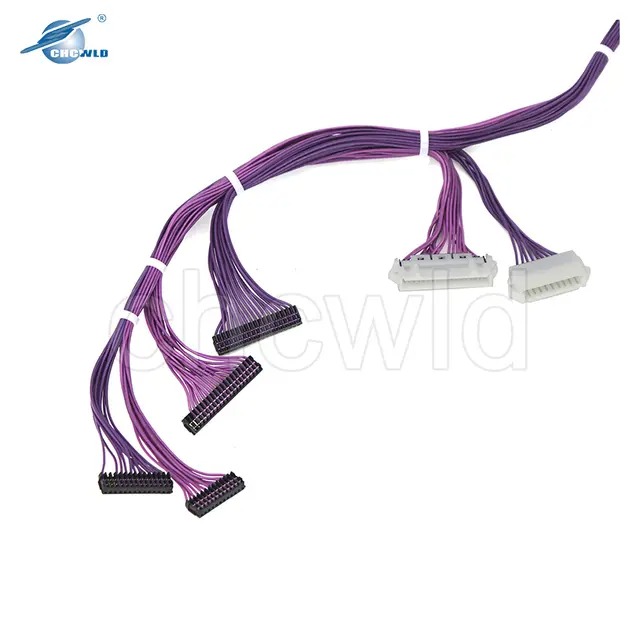
A wiring harness with high durability is essential for ensuring long-term vehicle performance. The durability of the wiring harness depends on several factors, including the quality of the materials, the construction process, and the environmental conditions the vehicle is subjected to.
Environmental Exposure: Exposure to extreme temperatures, moisture, and dirt can wear down a wiring harness over time. High-quality insulation and protective coatings can mitigate these effects.
Vibration Resistance: Vibration from the vehicle’s engine and road conditions can cause wires to wear out. Robust harnesses are designed to withstand these mechanical stresses.
Corrosion Resistance: The materials used in the harness, such as connectors and terminals, must be resistant to corrosion, especially in harsh climates or environments where the vehicle is exposed to saltwater or chemicals.
The wiring harness for a car is a critical component that connects all the vehicle’s electrical systems, ensuring they operate efficiently and safely. From providing power to transmitting signals, a wiring harness plays an essential role in making sure that a vehicle's complex electrical systems work in harmony. Choosing a high-quality wiring harness, whether for a personal car, a commercial vehicle, or an electric vehicle, can significantly enhance the performance and safety of the vehicle.
If you’re looking for reliable, durable, and customized solutions, consulting with an Automotive Wiring Harness Supplier is an essential step in securing the right wiring harness for your vehicle.
Q1: Why is a wiring harness important for a car?
A wiring harness is essential because it connects all of a car's electrical components, ensuring that power and signals are delivered accurately and safely to the right parts of the vehicle.
Q2: Can I install a custom wiring harness myself?
While it is possible, it is highly recommended to have a professional handle the installation of a custom wiring harness to ensure that it meets all the necessary safety and performance standards.
Q3: How can I choose a good automotive wiring harness supplier?
Look for a supplier with experience in manufacturing high-quality wiring harnesses for your specific type of vehicle. Consider factors such as product durability, customization options, and customer service.
Q4: What is the difference between a standard and a custom wiring harness?
A standard wiring harness is pre-designed for common vehicle models, whereas a custom wiring harness is tailored specifically to a vehicle's unique electrical needs and requirements.