
 English


Views: 224 Author: Site Editor Publish Time: 2025-12-19 Origin: Site


The Importance of Choosing the Right Gauge Wire for Your Motorcycle Wiring Harness
Factors Affecting the Choice of Wire Gauge for Your Motorcycle Wiring Harness
Different Types of Motorcycle Wiring Harnesses and Their Wire Gauge Requirements
How to Properly Select the Right Gauge for Your Custom Motorcycle Wiring Harness
Best Practices for Motorcycle Wiring Harness Installation and Maintenance
When it comes to assembling a motorcycle wiring harness, selecting the appropriate wire gauge is crucial for ensuring safety, performance, and reliability. Motorcycle wiring harnesses are responsible for powering various electrical components of a bike, from lights and signals to advanced electrical systems. Choosing the correct wire gauge is a decision that affects the efficiency of your bike’s electrical system, as well as its overall longevity.
In this article, we will explore everything you need to know about selecting the right wire gauge for your motorcycle wiring harness. From understanding the key factors influencing wire gauge selection to the differences between wire types, this guide will provide practical insights to help you make an informed decision when it comes to your motorcycle's wiring needs.
Choosing the right wire gauge for your motorcycle wiring harness is more than just a technical decision—it’s an essential part of ensuring your bike's electrical system operates at its best. If you opt for a wire that is too thin, it can cause overheating or voltage drops, which could lead to malfunctions or even electrical fires. On the other hand, selecting a wire gauge that is too thick can lead to unnecessary weight, stiffness, and difficulty during installation.
For any professional motorcycle wiring harness design, wire gauge is critical in determining how much current the wire can carry without being damaged. Ensuring that the wire is of sufficient gauge for the load it will carry helps prevent issues like power loss, overheating, and short circuits, which can be disastrous for your bike's electrical components.
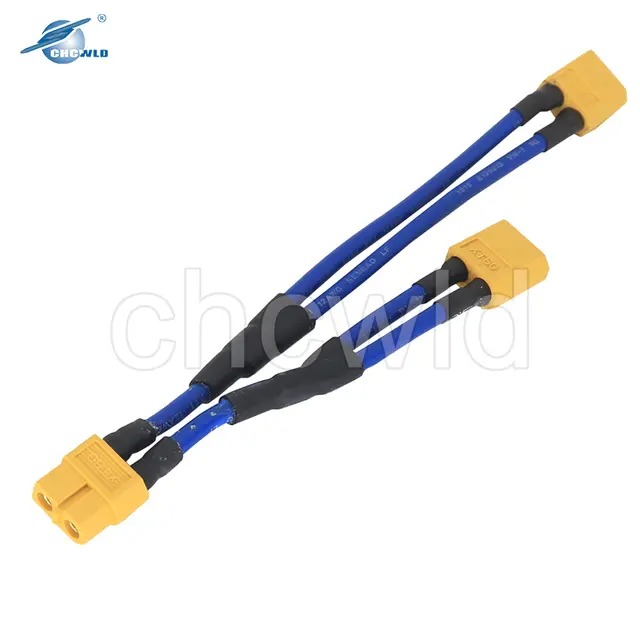
When assembling a high-quality motorcycle wiring harness, understanding the typical wire gauges used is essential for selecting the right one for your application. Generally, the wire gauge you choose will depend on the power demands of the electrical components you intend to wire. Below are some of the most commonly used wire gauges for various parts of a motorcycle wiring harness:
| Component | Recommended Wire Gauge |
|---|---|
| Main Power Wires | 10 AWG to 12 AWG |
| Headlights and Taillights | 14 AWG to 16 AWG |
| Turn Signals and Horn | 16 AWG to 18 AWG |
| Battery Connection Wires | 8 AWG to 10 AWG |
| Charging System Wires | 10 AWG to 12 AWG |
| Coil and Ignition Wires | 18 AWG to 20 AWG |
For most motorcycles, 14 AWG to 16 AWG wire is common for the majority of the electrical components like headlights and taillights. 10 AWG or 12 AWG is often used for the main power wires and battery connections due to the higher current they carry.
If you are assembling a custom motorcycle wiring harness or universal motorcycle wiring harness, it’s important to assess the power needs of each individual component before selecting the wire gauge.
Several factors should influence your choice of wire gauge for a motorcycle wiring harness kit, including the current load, wire length, and environmental conditions. Let’s look at these key factors:
1. Current Load:The most important consideration is the amount of electrical current each wire will carry. If you use a wire with too small a gauge for a high-current component, such as a high-powered headlight, the wire can overheat, causing potential damage to the bike’s electrical system or even a fire hazard.
2. Wire Length:The length of the wire between components also affects the voltage drop, which can reduce the efficiency of your electrical system. A longer wire requires a thicker gauge to reduce the resistance and prevent power loss.
3. Temperature and Environment:The environmental conditions your motorcycle will be exposed to can influence the wire gauge selection. In extreme heat or cold, some wires may expand or contract, potentially altering their capacity to carry current. Using heavy-duty motorcycle wiring harness components that are designed to withstand harsh conditions is often advisable in these cases.
4. Safety Considerations:Thicker wire gauges generally offer greater safety. For high-power components like battery cables, high-quality motorcycle wiring harness wires that are properly rated for the application are essential.
Choosing the correct wire gauge can vary depending on the type of motorcycle wiring harness kit you are working with. Here are some common types and their wire gauge needs:
1. Standard Motorcycle Wiring Harness:For standard motorcycles, the wire gauge used typically follows the guidelines provided earlier in this article. These harnesses tend to feature wires ranging from 12 AWG to 16 AWG, based on the power requirements of the basic electrical components.
2. Custom Motorcycle Wiring Harness:A custom motorcycle wiring harness often requires more attention to detail. Riders and builders will choose wire gauges depending on the electrical accessories they install—such as high-performance lights, stereo systems, or heated grips. The wire gauge for a custom harness may range from 10 AWG for heavy-duty components to 20 AWG for lighter-duty systems.
3. Universal Motorcycle Wiring Harness:For a universal motorcycle wiring harness, the wire gauges are generally designed to fit a wide range of motorcycles and electrical configurations. These kits typically provide a variety of wire gauges, from 12 AWG to 18 AWG, to accommodate various components.
4. Heavy Duty Motorcycle Wiring Harness:For motorcycles that undergo extreme conditions—such as off-road bikes or race motorcycles—a heavy-duty motorcycle wiring harness might be necessary. These harnesses often use 8 AWG to 10 AWG wires to handle the increased current demand of high-performance engines and systems.
When creating a custom motorcycle wiring harness, it is important to follow a systematic process for selecting the wire gauge. Here’s how to ensure you make the right choice:
1. Evaluate the Current Requirements:Start by identifying the amperage or current draw for each electrical component. This information is typically available in the component’s manual or datasheet. The higher the current, the thicker the wire needs to be.
2. Consider Voltage Drop:For longer wiring runs, voltage drop becomes a concern. Choosing a wire gauge that minimizes voltage loss over long distances will ensure your components receive optimal power. If your wiring run is particularly long, consider using a thicker gauge wire (such as 12 AWG or 10 AWG) to minimize this effect.
3. Account for the Type of Material:Copper is the most commonly used material for motorcycle wiring harnesses, but some high-end or specialized wires might use tinned copper or aluminum. Each material has a different resistance to current flow, so make sure the wire material matches the needs of your system.
4. Consult With a Professional Motorcycle Wiring Harness Supplier:For those seeking expert guidance, working with a professional motorcycle wiring harness supplier can ensure that you’re selecting the proper wire gauge and material for your unique needs.
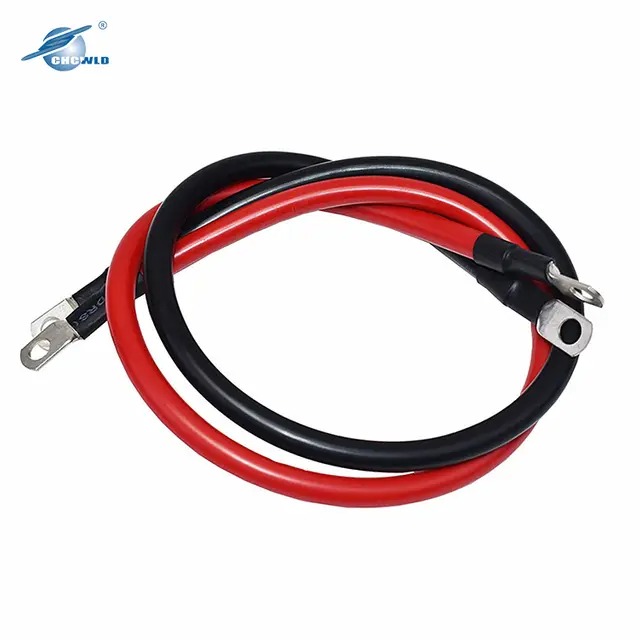
A professional wiring harness installation is just as important as choosing the right wire gauge. Here are some tips to help you achieve a clean, effective installation:
Use the Correct Tools: Always use quality tools like wire strippers, crimpers, and soldering equipment when installing your wiring harness. Properly stripping and terminating the wires will help prevent shorts and maintain long-term reliability.
Protect Your Wires: Use wire loom or spiral wrap to protect the wires from abrasions or exposure to harsh elements. This will help extend the life of your harness.
Follow the Wiring Diagram: Whether you’re using a motorcycle wiring harness kit or building one from scratch, always follow the wiring diagram carefully to ensure accurate connections and avoid electrical issues.
Regular Inspections: Periodically check your wiring harness for signs of wear, corrosion, or damage. Replace any worn-out wires or connectors promptly.
Selecting the right wire gauge for your motorcycle wiring harness is vital for ensuring the safety, performance, and longevity of your bike’s electrical system. By understanding the key factors that influence wire gauge selection, you can create a wiring system that provides reliable performance under all conditions. Whether you're building a custom motorcycle wiring harness or upgrading your electrical system with a high-quality motorcycle wiring harness, making the right choice will ensure a seamless ride every time.
1. What is the most common wire gauge used in a motorcycle wiring harness?
Typically, 14 AWG to 16 AWG wire is used for most electrical components, such as headlights and taillights. For the main power wires or battery connections, 10 AWG to 12 AWG is common.
2. Can I use any wire gauge for my custom motorcycle wiring harness?
No, you should select a wire gauge based on the electrical demands of each component. Too thin a wire may overheat, while too thick a wire could be difficult to work with.
3. What are the dangers of using the wrong wire gauge?
Using the wrong wire gauge can cause overheating, voltage drops, and potentially electrical fires. It can also cause components to malfunction due to inadequate power delivery.
4. Can a motorcycle wiring harness be upgraded?
Yes, upgrading your motorcycle wiring harness kit with higher gauge wires or more durable materials is a common practice for improving electrical performance, especially in custom or high-performance motorcycles.